
Otaku are people who have an addictive love for a certain thing. Today I will mention some expressions that most anime otakus already know or should know!
This article is aimed at otakus in Brazil, since in Japan this term is seen in a pejorative way. However, all readers are welcome. This simple article teaches 12 basic words of the Japanese language that you find quite frequently in anime and manga. (Kevin)
In this article, we will learn the following words:
- BAKA!
- urusai!
- Ohayo
- konnichiwa
- muri muri!
- moshi moshi?
- kawaii *-*
- SHINE!
- yabai
- maji ka yo?
- yamete!
- itadakimasu!
Contents 12
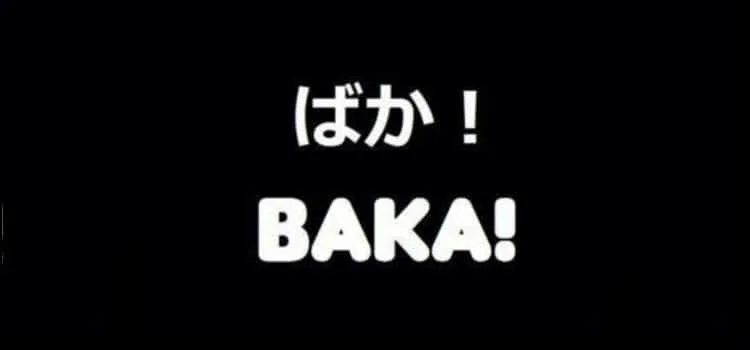
Every Otaku says BAKA!
It is very well-known and is a slang widely used in anime as well, with a rougher form, bakayaro, meaning idiot! Boke is a different word, the fool in a comedy duo.
Every Otaku says urusai.
It can be interpreted in various ways, such as urusai (うるさい) or the rougher urusee (うるせえ). Said about a sound, it means noisy, and shouted at someone, it means shut up!
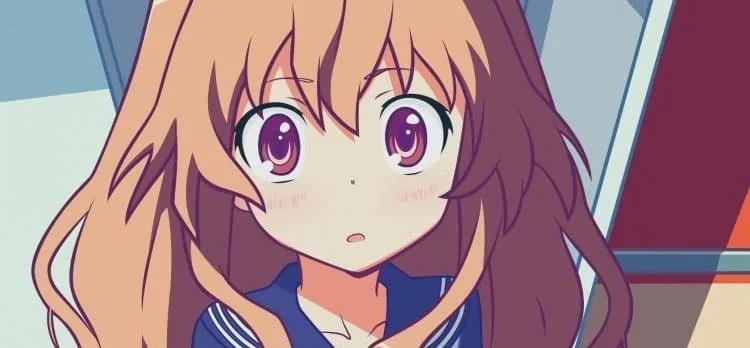
Every otaku says Ohayo
This greeting is known even by those who are not otaku. If you are very sleepy, it can be just ohayo, or hayo. It means good morning.
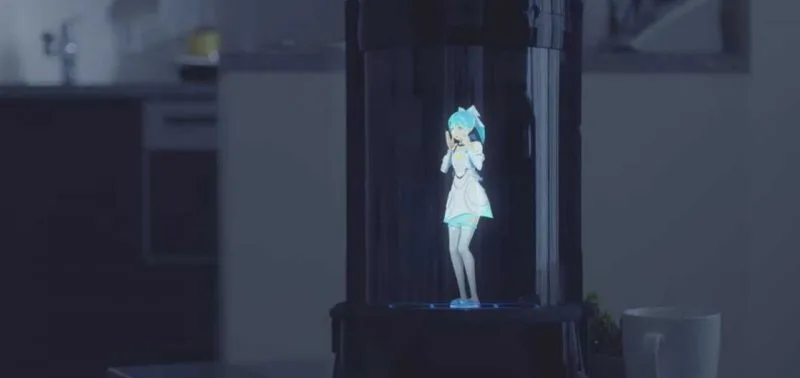
Every otaku says Konnichiwa
Just like ohayo, it is very well-known. It means hello, and through the afternoon it also works as good afternoon. After dark, the greeting is konbanwa.
When an otaku says Muri muri!
One of the lesser-known expressions, but I'm sure you've heard it in some anime. It can appear as muri desu yo, meaning impossible!
When an otaku says moshi moshi?
You hear it when someone answers the phone, or calls out to check that you are still there. Here in Brazil, it is equivalent to alô?

When an otaku says Kawaii
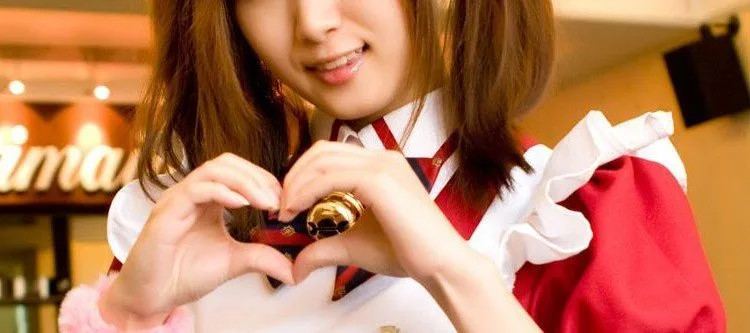
Do I really need to explain? If you don't know this slang, you are not an otaku! It means cute. Maybe you want to read our article on the topic Kawaii: meaning, origin, and the culture of cuteness in Japan.
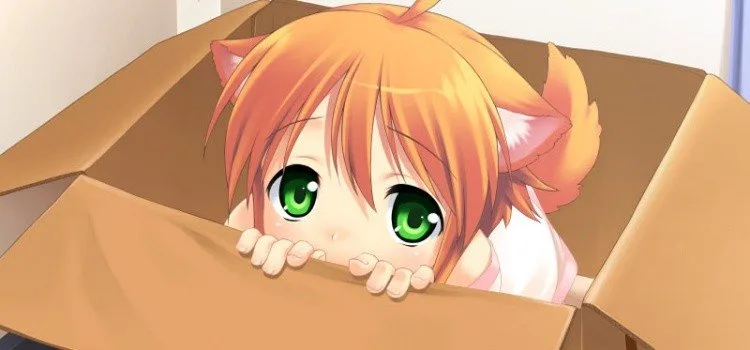
When the otaku says SHINE!
We can say it is the trademark of the character Bakugou Katsuki, from Boku No Hero. It is a simple and effective expression, meaning DIE! Exactly that, just DIE!

When the otaku says Yabai!
It can mean two things. One is dangerous, a mess you would rather avoid. The other, mostly among younger people, is amazing, as in this dish is yabai (やばい).

When the otaku says Maji ka yo?
It has a simple meaning as well. Maji (マジ) means for real, and maji ka yo? (マジかよ) is the rough way to ask. In our way: seriously?

When the otaku says Yamete!
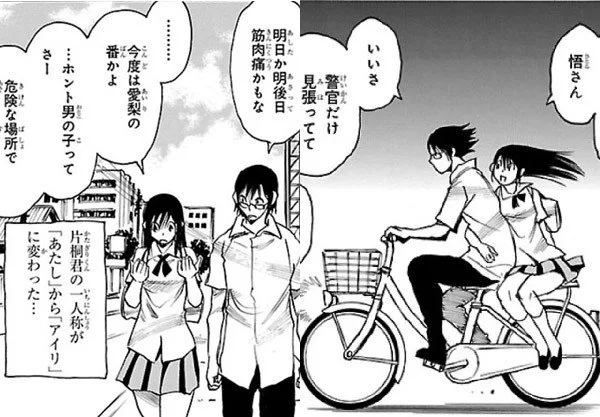
Very commonly used by girls in anime when they are embarrassed or angry. It means stop it!
When the otaku says Itadakimasu!
We have reached the last Japanese expression, which is used and taken seriously! Before eating, bring your palms together in front of your body and say I humbly receive (itadakimasu, いただきます).
Thank you for reading this article ^-^ made with love from otaku to otaku <3
This article was submitted by Luana and reviewed through our article submission form, then it was reviewed by Kevin. I hope you enjoyed this small article. If you liked it, share it and leave your comments. Also, try sending your own article through the form that can be accessed at the end of this page.


Community
Comments
0 comments
There are no published comments in this language yet.
Send comment