
On a sticky August night in Japan, a dare often starts the same way: someone points at a dark path, a quiet shrine, or a stretch of tunnel, and asks who has the guts to go first. That dare has a name—kimodameshi (肝試し)—and it is less about winning a prize than about discovering how far your courage will walk when the lights run out.
The word sounds clinical if you only read the characters. Kimo (肝) is the liver; dameshi (試し) is a test. In Japanese idioms, the liver is where nerve sits. Someone with a steady gut is kimo ga suwaru—literally “seated in the liver.” So kimodameshi is not a medical exam. It is a test of courage, a way of proving your guts in the dark.
Contents 7
What Kimodameshi Means in Practice
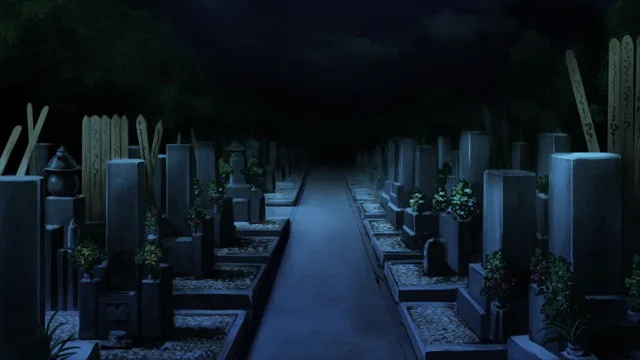
At its simplest, a group chooses a place that feels wrong after sunset: a cemetery edge, a forest trail, a lonely shrine approach, an abandoned building, or a so-called shinrei spot—locations people already whisper about. Participants go alone or in pairs, often with a small mission: reach a marker, leave a token, or bring something back as proof they went the distance.
There is no single rulebook. Friends can invent the challenge on the spot. Schools and camps can stage the whole route with props and jump scares. Theme parks sell a polished version as a haunted house. The constant is the same: shared fear, nervous laughter, and a story you retell the next morning.
You may hear kimodameshi described as a children’s pastime, and school trips do introduce many people to it. Adults play too. The chill does not check your age at the gate—especially in summer, when Japan’s ghost season is already on everyone’s mind.
Where the Tradition Comes From
Like many Japanese folk practices, kimodameshi does not have one clean birth certificate. What survives is a cluster of stories that show how old the dare already was.
In the historical tale Ōkagami (大鏡, “The Great Mirror”), three sons of Fujiwara no Kaneie are challenged to visit a house rumored to hold an oni around the Hour of the Ox—roughly three in the morning, the hour when the boundary between worlds felt thin. Only Fujiwara no Michinaga is said to complete the visit, returning with a wooden post marked by his sword as evidence. Whether every detail is chronicle or legend matters less than the pattern: courage needed proof, and night was the stage.
Later eras treated fear as training. Samurai circles told horror stories to harden the nerves. One famous form is Hyakumonogatari Kaidankai (百物語怪談会)—the gathering of one hundred ghost tales. As candles go out one by one, the room grows darker and the last story arrives in near-blackness. That is storytelling as kimodameshi: a controlled climb into unease. Edo-period collections such as Tonoigusa already describe young warriors testing themselves this way.
Why Summer Belongs to Ghosts
Kimodameshi thrives when the air is thick and nights feel long. Summer is Japan’s classic season for ghosts, kaidan, and haunted attractions—part folklore, part cultural habit. During Obon, families welcome ancestral spirits home. Parallel to that gentle reunion runs another summer current: the thrill of scares that make you shiver when the heat will not break.
That is why TV variety shows, seasonal haunted houses, and school camps all lean into kimodameshi between July and August. The calendar itself becomes an accomplice.
How People Play Kimodameshi
Formats vary by town, friend group, and organizer, but a few patterns repeat:
- Destination dare: pick a scary place; go at night; return with proof or leave a marker.
- Pairs or solo: couples and classmates often walk together—for safety, for teasing, or both.
- Props and actors: skulls, white cloth, sudden footsteps, a friend in costume at the worst corner of the path.
- Story first: organizers usually seed the location with a rumor before anyone steps into the dark.
Many Japanese people meet the custom at elementary or junior high camp, or at a school festival. Teachers and volunteers scout a safe route in advance, plant “evidence,” and hide along the way so the scare stays controlled. Students may also turn a classroom into a makeshift haunted house for festival visitors. The goal is courage practice without real danger.
Outside school, the pure version is freer and riskier: tunnels, forests, cemetery edges, abandoned buildings, and quiet shrine grounds. Rural tunnels especially—long, damp, and poorly lit—have a reputation for turning a short walk into a full-body flinch.
Haunted Houses and the Modern Version
Commercial haunted houses are kimodameshi with a ticket stub. They borrow the same logic—dark corridors, jump scares, and the social pressure of not being the first to scream—while keeping the route designed. Couples often treat them as a date: cling closer, joke louder, pretend the scare was “for the other person.”
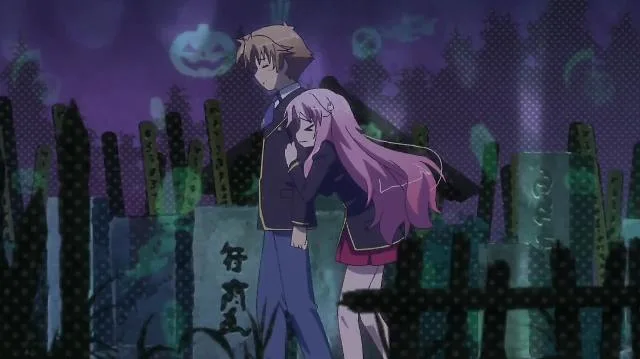
Anime and manga lean hard into that romantic angle. A summer episode of kimodameshi is a classic device for pushing two characters into a pair, a confession, or a shared panic that later becomes a memory. The dare is the plot; the fear is the excuse to stand closer. If you track those scenes across series, you start to see the same structure the real-world game uses—story, path, proof, and the person beside you.
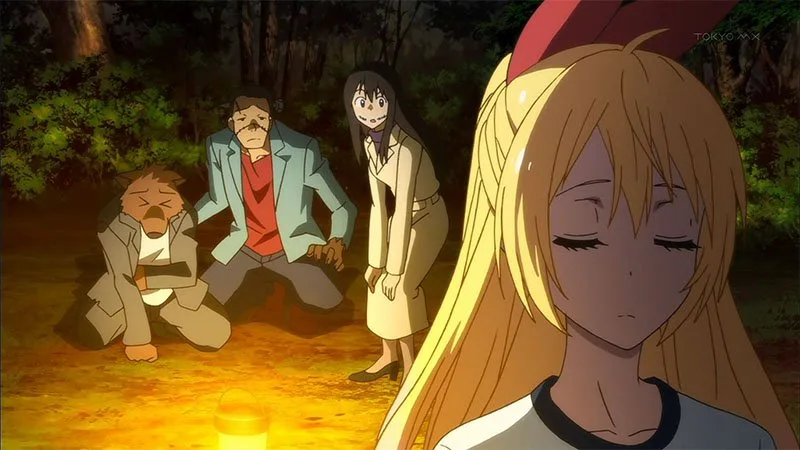
Even shows that are not pure horror use the trope. Romance titles frequently schedule a test of courage right when tension needs a push, which is one reason a series like Nisekoi feels at home next to this topic.
Safety, Trespassing, and Real Consequences
Organized school events usually stay inside prepared grounds. Free-range dares are different. Entering private property, fenced ruins, or posted restricted areas can become trespassing under Japanese law. Damaging walls or objects is vandalism. Pressuring someone who clearly does not want to go can cross into intimidation. Popular “haunted” buildings sometimes draw police attention precisely because so many night visitors treat them as a playground.
Japan’s Penal Code treats unlawful entry seriously—fines or imprisonment are real possibilities when people ignore warnings or force their way in. Physical roughness that injures someone is not “just a prank.” If you want the chill without the legal hangover, choose a festival haunted house, a camp program, or a route that is open and public, go in a small group, carry light, set a time limit, and leave the moment anyone wants out.
Respect for neighbors matters too. Many spooky corners sit near homes. Loud late-night shouting, litter, and graffiti turn a folk game into a nuisance for people who have to sleep there every night.
What Kimodameshi Leaves Behind
Strip away the costumes and you still have something simple: friends teaching each other that fear can be walked through together. That is why the tradition survives in schools, anime scripts, summer TV, and impromptu dares at the edge of town. The liver test is not about becoming fearless. It is about finding out who stays when the path goes black—and laughing about it once you reach the light again.
If Japanese summer folklore is your rabbit hole, keep following the trail from kimodameshi into yōkai and ghost lore, shrine nights, and the quieter side of Obon. The same season that cools the body with a scare also keeps Japan’s old stories walking.






Community
Comments
0 comments
There are no published comments in this language yet.
Send comment