
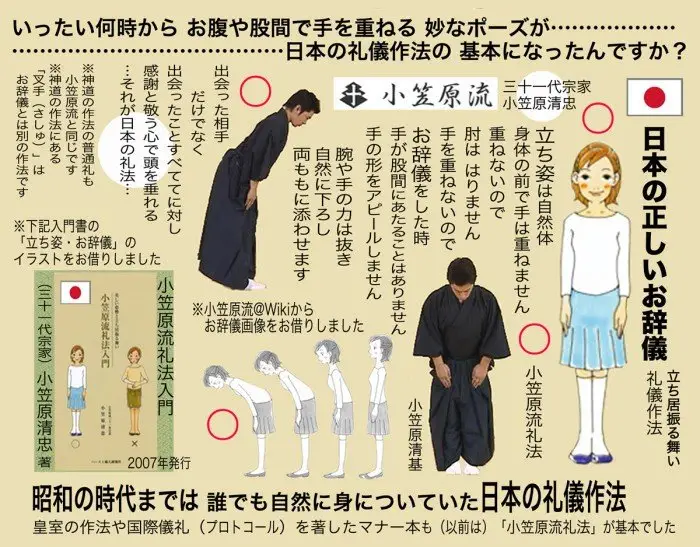
Do you know the etiquette rules that shape everyday respect in Japan? In this article, we walk through the basic manners of Japan, also known as Nihon no kihon reigi sahō [日本の基本礼儀作法].
Contents 14
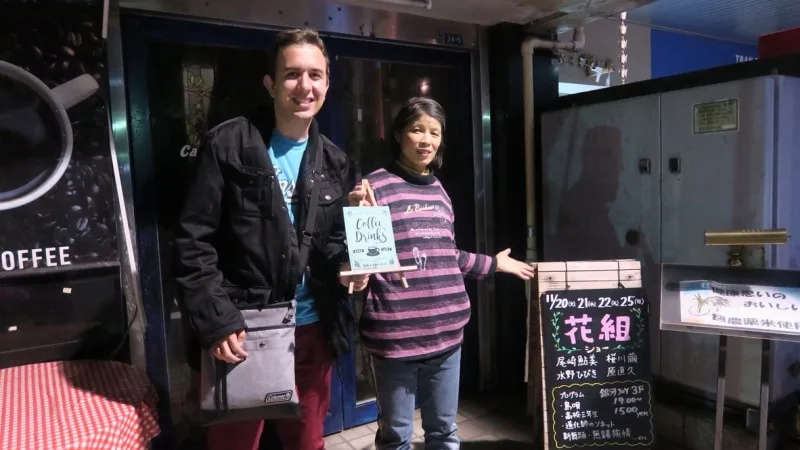
Business Card in Japan
It is essential in formal introductions for teachers, businesspeople, and even journalists. The meishi [名刺], as it is known in Japanese, must not be missing when meeting and establishing contact with a new person who is relevant to your work.
It is worth having your card in English on one side and Japanese on the back, to avoid any type of communication problem. The visitor should always present their card first, and always to the most senior person in the room. Always hand it over with the text facing the person receiving it, and do this with both hands.
Cell Phones in Japan
On public transport, it is best to turn the phone off or leave it on silent. Sending the occasional urgent message is fine. Inside cinemas, theaters, and hospitals, it is strictly prohibited to leave cell phones on. In the hospital, extra care must be taken to avoid any type of interference with medical equipment.
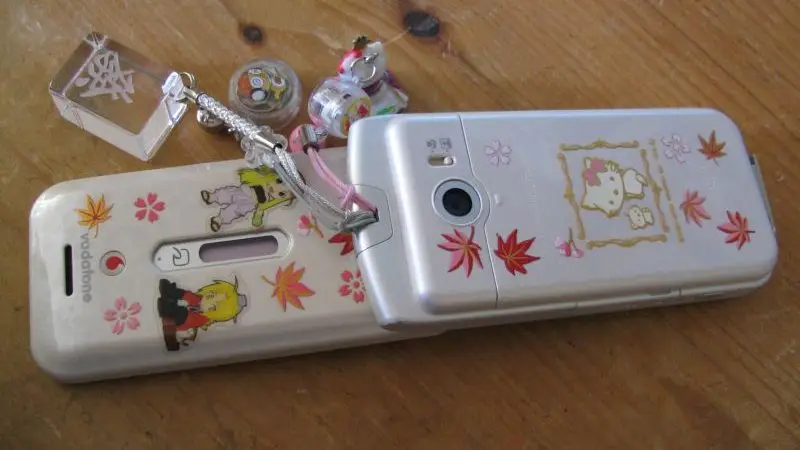
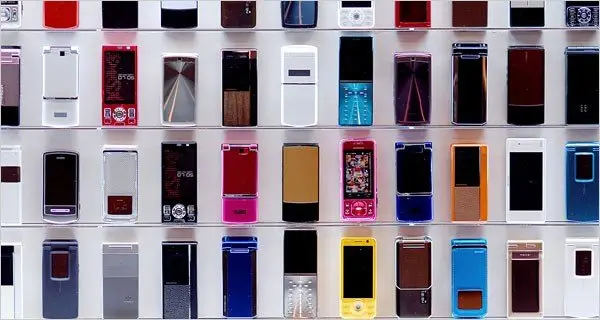
We have already published a full article on the quirks of cell phones in Japan. When you read it, you will see that many Japanese still prefer flip phones — the kind that open and close.
Also read: Cell Phones in Japan – Curiosities and Japanese Models
Elevators in Japan
Office hierarchy in Japan is highly respected. You can see it in the way desks are arranged on a floor and even inside the elevator. Senior staff always stand away from the doors, while younger or lower-ranking colleagues take the spots closer to the entrance and exit. The same rule applies when parking vehicles.
The Japanese also have a few superstitions about numbers. Floors 4 and 9 are considered unlucky because they are tied to death and darkness. In some buildings, you will notice that elevators simply skip the number 4 and the number 9.
Also read: Japanese Superstitions – Bad Luck and Good Luck in Japan
Boarding the Train
Any form of public transport in Japan runs on well-defined, well-respected rules for boarding and getting off. The signage is followed strictly, even at the busiest hours.
As soon as the doors open, wait for every passenger to get off inside the marked zone. Only then board with the other passengers. One small curiosity: in Tokyo, on station staircases, you keep the right side free for people in a hurry. In Osaka, it is the left side.
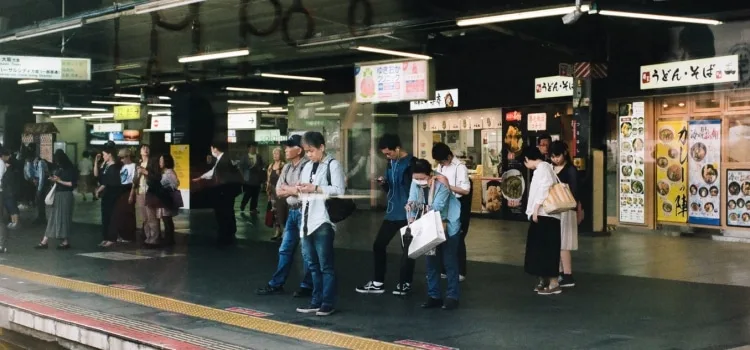
Making Noise While Eating
If in the West it is a point of pride to eat without making a sound, in Japan you actually show you are enjoying your meal by being audibly enthusiastic about it — especially with brothy dishes like ramen and soba.
This does not mean chewing like a fool is fine. You should not chew with your mouth open or anything like that; it is only the noodle-slurping part where you do not have to worry about staying quiet.
Also read: 15 Types of Japanese Noodles

Using Chopsticks in Japan
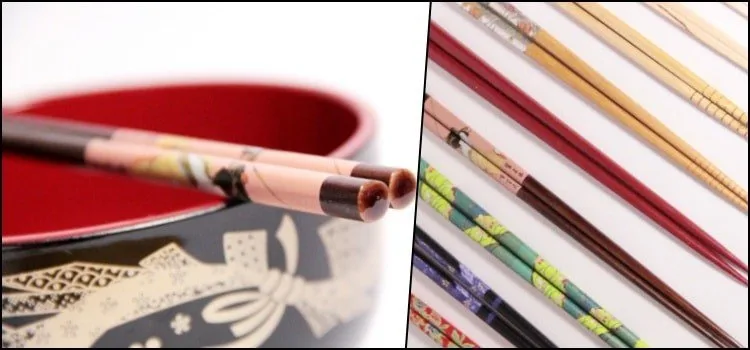
Hashi, the two wooden sticks that are the Japanese eating utensils, come with their own set of rules. Crossing them while holding food is considered impolite. The usual custom is to hold the rice bowl with your left hand and use your right hand to pick up food with the hashi.
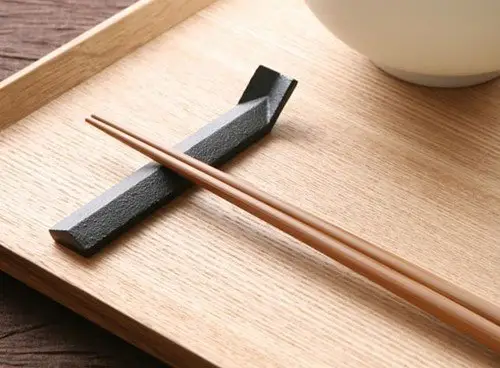
Never stick the hashi upright into a bowl of white rice (chawan). Besides being impolite, the gesture carries a bad omen for the Japanese. When you are not using them, the proper move is to rest the hashi on the small stand reserved for that purpose, the hashioki.
Also read: Hashi – Tips and Rules on How to Use and Hold Chopsticks
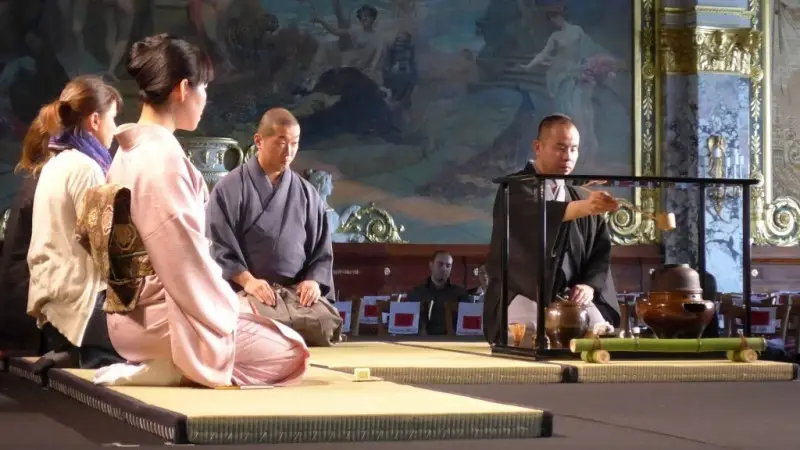
Tea Break
In many Japanese homes, guests are offered green tea, coffee, or black tea, depending on their preference. Green tea is drunk without sugar or milk. It is often served alongside a small wagashi, the traditional Japanese sweet.
Also read: Chanoyu – Japanese Tea Ceremony
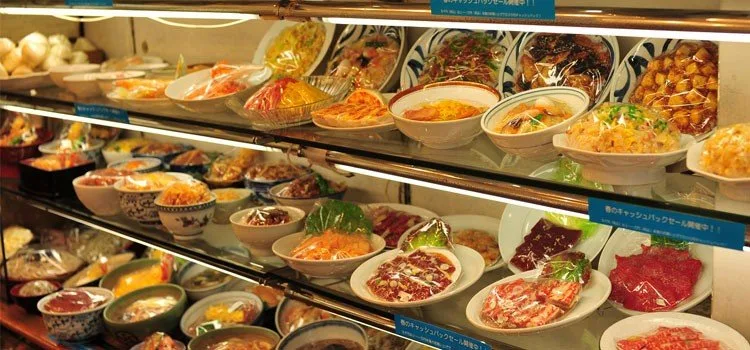
Eating Out in Japan
Many restaurants display wax replicas of the dishes they serve in their windows. You can pick straight from those imitations, or choose from the photos on the menu. Tipping is not customary in Japan.
Taking Off Shoes in Japan
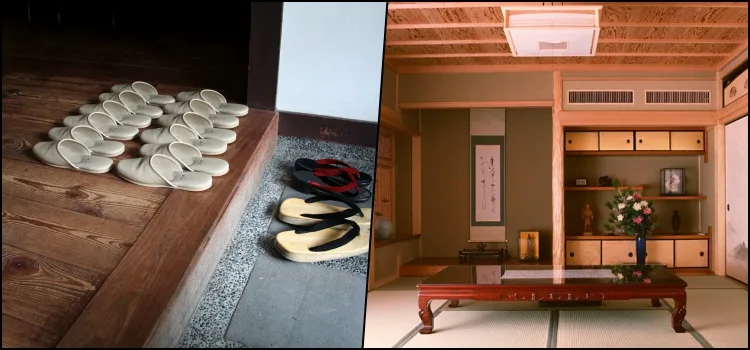
Shoes inside the house are out of the question. Even in the early years of school, children leave their shoes in personal lockers and switch into slippers or indoor sandals, depending on the building.
It is therefore a good idea to keep a clean pair of indoor shoes handy, and if you are wearing socks, make sure they are in good shape. Being barefoot inside a Japanese home is almost unavoidable.
Drinking Sake
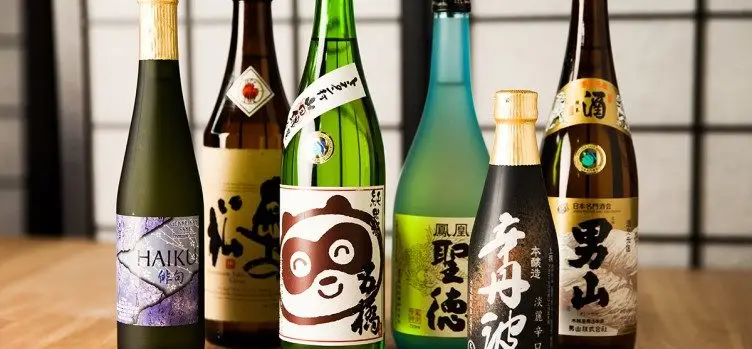
Basic premise when drinking with Japanese people: your glass will not stay empty for long. Usually, the people around the table pour for each other — serving yourself is not the custom. Everyone watches the others' glasses and tops them up as they empty.
If you do not want to drink too much, the safest move is to sip slowly. The Japanese enjoy beer, wine, and whiskey alongside sake.
Sitting at the Table
Before the meal, each person says itadakimasu, and after finishing, gochisousama deshita. Both phrases express appreciation for the food. In private homes, several small dishes are usually served for each guest.
Each portion is placed on the guest's own plate in a defined position: cooked vegetables in the upper left corner, seasoned vegetables in the upper right corner, grilled fish in the center, steamed rice in the lower left corner, Japanese pickles in the center just below the fish, soybean soup, and the hashi at the very bottom, closest to the person eating.
Visiting Temples in Japan
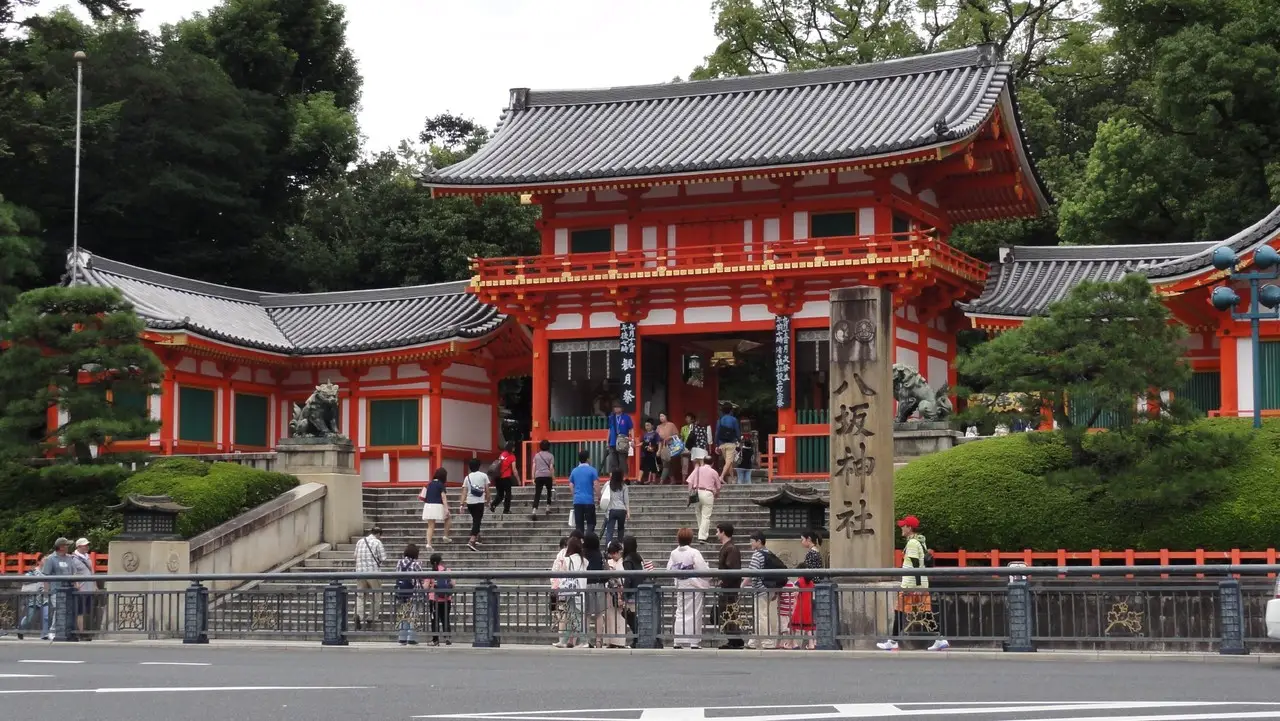
Japanese temples and shrines are places to admire nature and to pray. And to pray properly at a Shinto shrine, it helps to know the basic sequence: two bows, two claps, one bow. That is the correct way to start your thanks and your requests to the heavens.
Visiting a Friend
If you are visiting a friend in the morning, greet them with ohayou gozaimasu. In the afternoon, say konnichiwa, and in the evening konbanwa.
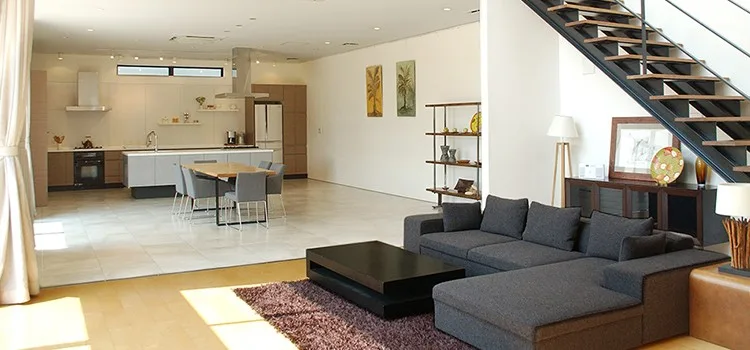
The host may reply with ohairi kudasai (please come in) to invite you inside. As you step through the front door, say ojama shimasu, which means "excuse me for entering your home." And before that, always remember to take your shoes off.
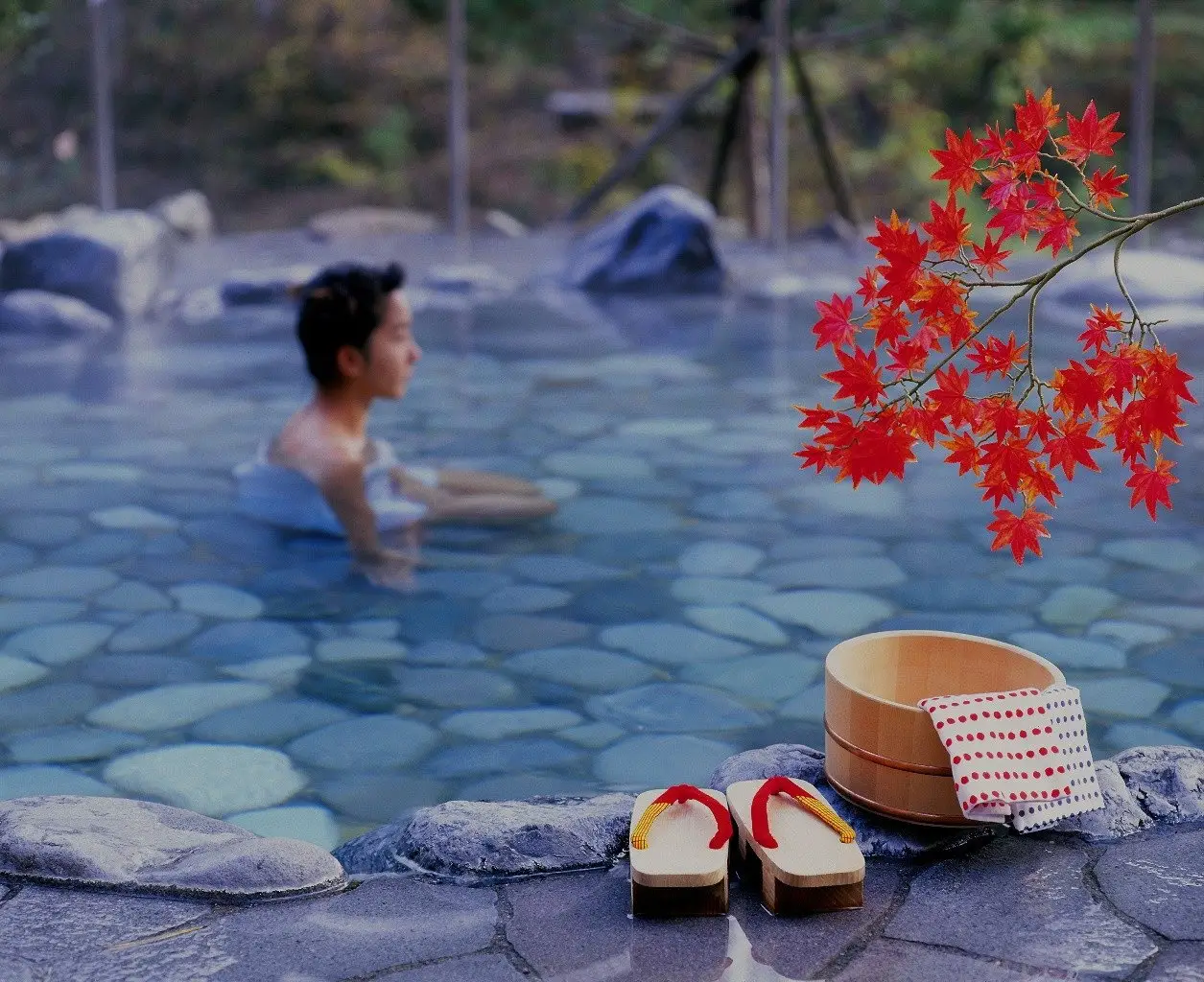
Visiting an Onsen in Japan
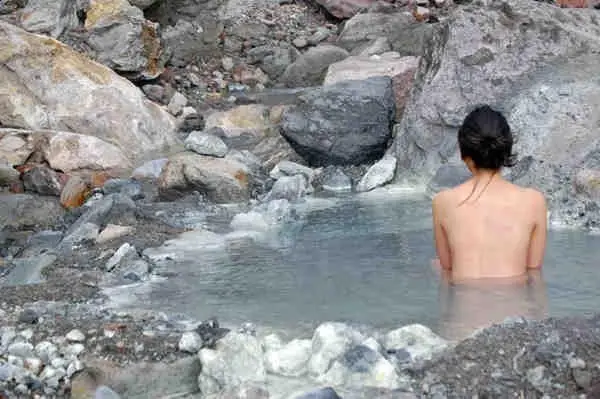
The first step: head to the changing cabins, take off your clothes, and wrap yourself in the small towel provided. Some guests also wear a swimsuit or trunks for a bit of extra comfort before stepping in.
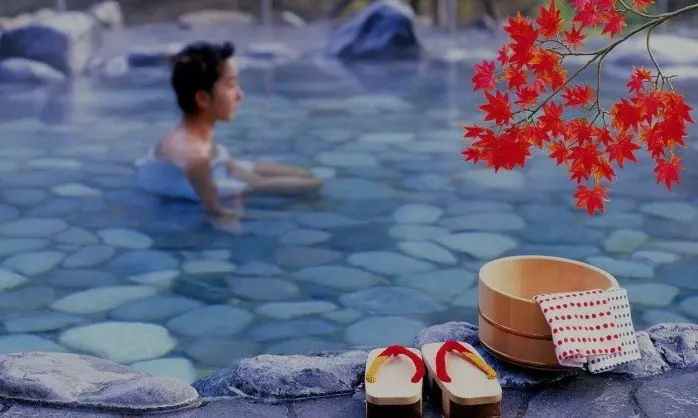
Unlike sentō (public baths), which are separated for men and women, some onsen — being open-air natural pools — accept bathers of both sexes. The rule is simple: you enter the onsen fully naked. Towels and swimwear stay out of the water.
Also read: Onsen – Natural Hot Springs in Japan


Community
Comments
0 comments
There are no published comments in this language yet.
Send comment