

If you are just starting out — or even if you have been studying the Japanese language (日本語) for a few years — you have probably tried a bunch of different methods, right? Flashcards, YouTube videos, mobile apps, online courses... and the feeling is that something is always missing. The truth is that learning Japanese takes more than a single magic formula.
With that in mind, we put together a list of 50 practical tips. Some are pretty straightforward, others a bit more specific. We gathered tools, methods, books, and useful suggestions. Read everything carefully. Mark what you already practice and add the new ideas to your routine, step by step.
Contents 68
Best Methods for Studying Japanese
Take Online Courses
If you still have trouble studying on your own, don't underestimate the help of a good course. There are many options out there, but one of the most prominent is our Course — it offers comprehensive content at an affordable price.
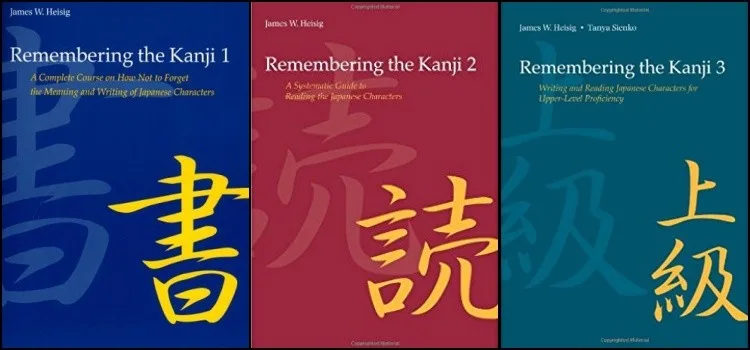
Use the RTK Method
The famous Remembering the Kanji (RTK) is an effective technique for memorizing ideograms. It focuses on the meaning and visual components of each kanji, linking images and short stories to every symbol. It is not the only method out there, but it can be a great ally when you are just starting.
Initial Tips
Start with Hiragana (or both)
Hiragana should be your first foundation. Even though Katakana may look easier because of the loanwords, Hiragana is far more frequent in everyday Japanese. If you can, study both. Understanding the difference between the two makes reading and writing much easier down the line.
Make Time
Organize your routine. Set fixed study times. If studying is sporadic, your progress will be slow. Take it seriously and try to build the habit every day, even if it is just a few minutes.
Go Back to Being a Child
You are relearning the language, and that takes humility. Don't skip steps. Read children's books, watch cartoons, play with words. Your brain needs that kind of basic contact to evolve steadily.
Avoid Rōmaji
Use Rōmaji only as a temporary crutch. As soon as you master Hiragana and Katakana, set the Roman alphabet aside. Japanese is learned with the Japanese alphabet. Lean on furigana to read kanji and gain more independence.

Tips for Learning by Writing
Write Without Stopping
Simple and direct: write. Even if your handwriting is not pretty, practice the stroke order. Write Hiragana, Katakana, simple sentences, and kanji. It builds both your visual memory and your muscle memory, two key factors for learning.
Translate Texts
Take simple sentences in English and try to translate them into Japanese. Then compare your version with reliable sources. It forces your brain to dig for vocabulary, build sentences, and think in the language.
Teach to Learn
Don't underestimate the power of teaching. Share what you learn with friends, on social media, or in study groups. The moment you try to explain something, you lock the content in and discover what you actually understood.

Tips for Learning by Reading
Read Every Day
Even when you don't understand everything, read. Books, websites, menus, signs — anything counts. The point is to expose yourself to the language as much as possible. Reading builds vocabulary and helps you get used to real sentence structures.
Read Manga
Manga is light, quick, and visual. It helps you pair images with context and language. The informal dialogue teaches everyday expressions, and the visual support keeps the reading flowing naturally.
Learn Slang and Abbreviations
Modern Japanese is full of clipped words, slang, and shortened forms. Study common expressions among young people, onomatopoeia, and abbreviations. It makes your vocabulary sound more natural.

Tips for Learning by Listening
Listen to Everything in Japanese
Music, podcasts, radio, videos — keep the language in your ears as much as you can. Even when you don't understand, your brain slowly gets used to the sounds and rhythms of Japanese.
Listen with Purpose
Use audio that comes with vocabulary and translation. It strengthens auditory recognition. A great practice is to listen and repeat along, like shadowing.
Japanese Songs
Sing, read the lyrics, translate them. Songs stick in your head and do a lot for pronunciation and vocabulary. It is a light way to train the language every day.

Tips for Learning by Watching
Watch Anime and Dramas
You pick up real, informal language, tones, and expressions. You also absorb culture and context. Pay attention to the dialogue, facial expressions, and intonation.
Explore Nico Nico Douga
It is basically Japan's YouTube. Real-time comments, videos on all kinds of topics, and interaction with native speakers. A complete, authentic immersion.
Video Lessons and YouTube
Look for channels with clear explanations and a practical focus. Video lessons follow their own pace; you can pause and review as many times as you want. Make the most of that visual resource.

Tips for Learning by Speaking
Repeat Object Names
When you see an object, say its name in Japanese. If you don't know it, look it up. Make it a habit. It grows your everyday vocabulary fast.
Don't Be Afraid to Make Mistakes
Speak. Even if it is just a little. Even if you make mistakes. Mistakes are part of learning. Ignore other people's judgment and grab every chance you get to speak.
Sing Karaoke
With furigana helping you read and the musical rhythm carrying you, you train reading, speaking, and memorization in a way that is fun and effective.
Practice Numbers
Counting is essential. In Japanese there are several ways to count, depending on the object. Practice every day. Over time, numerical fluency comes naturally.
Find Someone to Talk To
If you don't know someone in person, use apps, social networks, Facebook groups. Human contact is what accelerates learning the most.

Tips for Absorbing Content
Use Images
Associate words with images. Build visual flashcards. Use illustrated dictionaries. It makes memorization easier and activates more areas of the brain.
Study in Public
Go to parks, cafés, malls. It keeps your study routine alive and can attract potential learning partners. Studying alone is good, but exchanging ideas speeds up progress.
Tools and Resources
Have Apps on Your Phone
Install dictionaries, writing trainers, and apps with quizzes and games. Put your free time to good use.
Use SRS like Anki
Spaced repetition systems are extremely effective. Add sentences, words, and kanji, and review them at the right time to memorize them for the long run.
Play in Japanese
Use visual novels or Japanese MMOs. Even if it is hard at first, you learn real words in context. A great immersion exercise.
Try the SNAS Emulator
This emulator displays games in Japanese and English side by side. It is great for comparing expressions and learning while playing.

Computer Study
Organize Your Content
Create folders with PDFs, videos, audio files, and other materials. Keeping everything in one place makes it easier to find and encourages you to study more often.
Change the Language of Programs
Change your system language to Japanese. It helps you recognize commands and pick up technical vocabulary along the way.
Install a Japanese Keyboard
Use it on your phone and PC. When you type in rōmaji, the system automatically converts to hiragana. It speeds up writing practice.
Join Japanese Social Networks
Try platforms like mixi or change Facebook's language to Japanese. Daily use develops vocabulary and reading at a natural pace.
Reading Sites and Sources
Explore Various Sites
Blogs, forums, news sites — each one has its own style. The more variety, the better. Keep a list of your favorites.
Facebook as a Source
Groups and pages share useful tips. Use your time online to learn something new. Just follow profiles that focus on the Japanese language.
NHK News Easy
Simplified news, with an interactive glossary and feedback system. Ideal for beginners and intermediates. Practice a little every day.
Wata Tanoshii
An online magazine full of curiosities about everyday life in Japan. Written in simple language, perfect for practicing reading and expanding your vocabulary.
Learning with Friends
Form Study Groups
Studying with others improves motivation and deepens learning. Share doubts, set goals, and review together.
Virtual Immersion
Join Japanese forums, groups, and sites. Interact. You will make plenty of mistakes, but you will learn even more.
Chat via Messaging
Use apps like LINE, WhatsApp, or Skype to keep in constant contact with other learners or native speakers.
Play Shiritori
It is a word game. This Japanese game trains vocabulary and quick thinking. A fun way to study.
Do an Exchange
If you have the chance, go to Japan. Nothing replaces the real experience of living the language and the culture.

Important Care
Be Careful with Translators
Automatic translators don't always capture the real meaning of words. Use them as support, but always confirm with reliable dictionaries.
Forget Your Native Language
Dive headfirst into Japanese. Change your mindset. Think, speak, and read in the target language as much as you can.
Study Dialects
Japan has many dialects. Get to know the main ones. Learning the basics of Kansai-ben, for example, greatly expands what you can understand.
Learn English
Many words in Japanese come from English, and a lot of study material is in English. Picking up English is a strategic advantage on top of your Japanese.
Study Kanji by Radicals
When you run into a tough ideogram, look it up by radicals. It helps you see the logic behind its construction and makes memorization easier.
Understand Formality
Levels of formality change everything in Japanese. Know how to use keigo (polite language), informal speech, and honorifics depending on the situation.
Other Tips and Considerations
Have Physical Materials
Books, workbooks, and dictionaries are still important. Don't rely on digital alone.
Never Give Up
You will stumble, get frustrated, and make plenty of mistakes. Keep going. Remember: even a child takes years to master their native language.
Control Distractions
Organize your routine and cut out distractions. Your time is precious. Use it well.
Track Your Progress
Take level tests, review your content, and celebrate small wins. It keeps you motivated and helps you fix weak spots.
Create a Japanese Environment
Adapt your home. Use frames, decorations, and objects with kanji. Turn the space into a constant reminder of your goal.
Stay Strong
Learning Japanese is not a race. It is a journey. A child takes years to master their own language. With patience, focus, and the right strategy, you can get there too.
Stay strong and keep following our content. We are here to support you on this journey. 頑張ってください!





Community
Comments
0 comments
There are no published comments in this language yet.
Send comment