
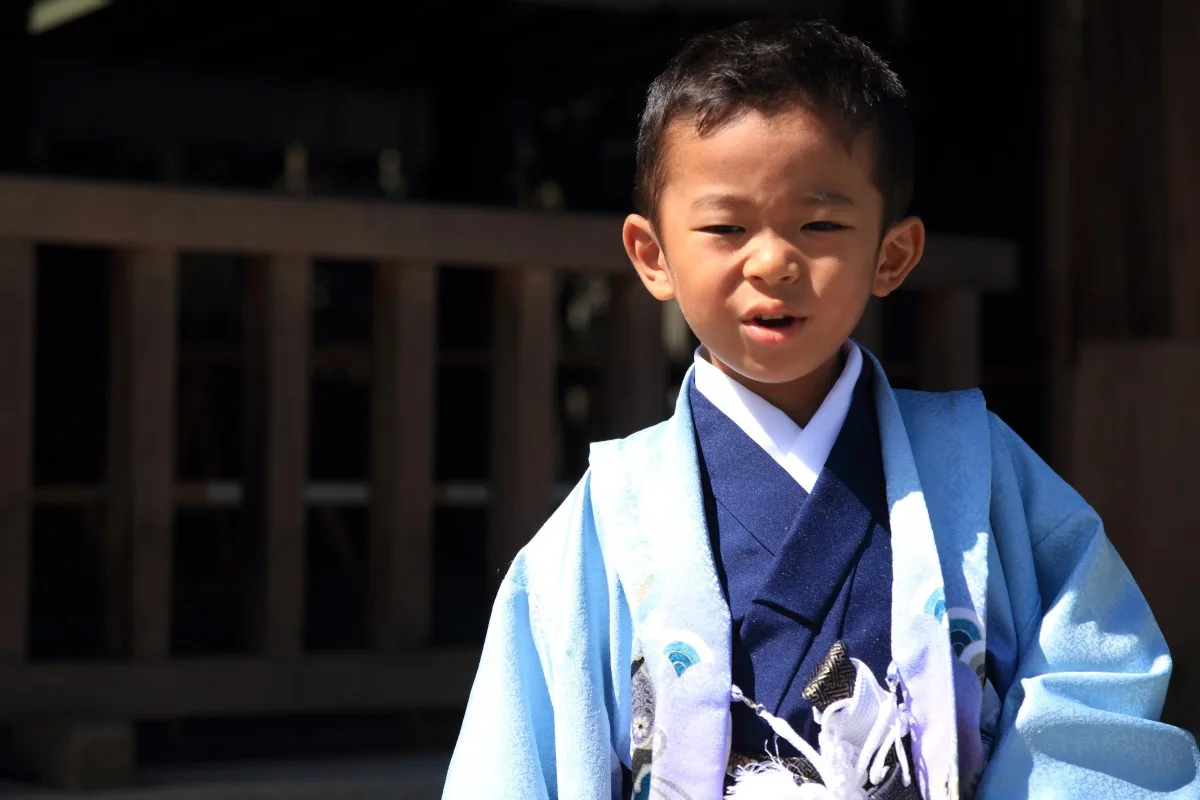
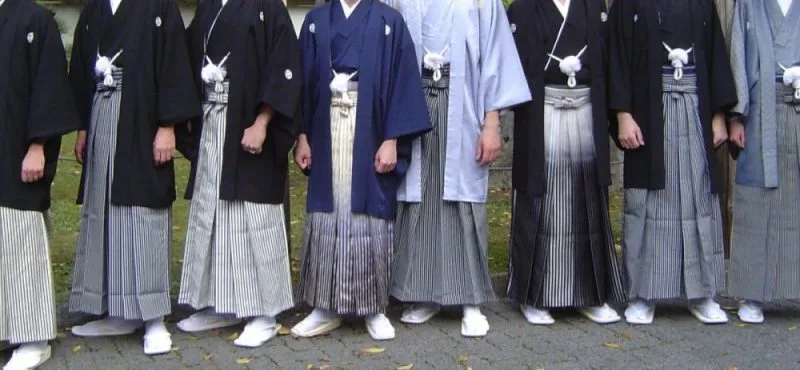
Haori is a traditional Japanese garment worn by both men and women. The haori is often worn over a kimono, like a jacket. Characters from Demon Slayer often wear this outfit.
The Haori is a very versatile piece of clothing and can be worn in various ways. It can be worn over a kimono or another type of clothing, or it can be worn alone.
Read also:
- Kimono – Everything about traditional Japanese clothing
- Yukata – the Japanese clothing for summer
- Clothes in Japanese – Clothing and Accessories
Contents 8
What does Haori mean?
The word Haori [羽織] is composed of the ideograms [羽] which means feather, plume, and wings and [織] which means fabric. Haori really resembles the wings of a bird.
The word is derived from the verb Haoru [羽織る] which means to wear a coat or dress.
There is a rumor that says this garment originated from a coat filled with feathers from waterfowl like Cranes and Swans.
We also recommend reading: How to Make Tsuru Origami + Legend
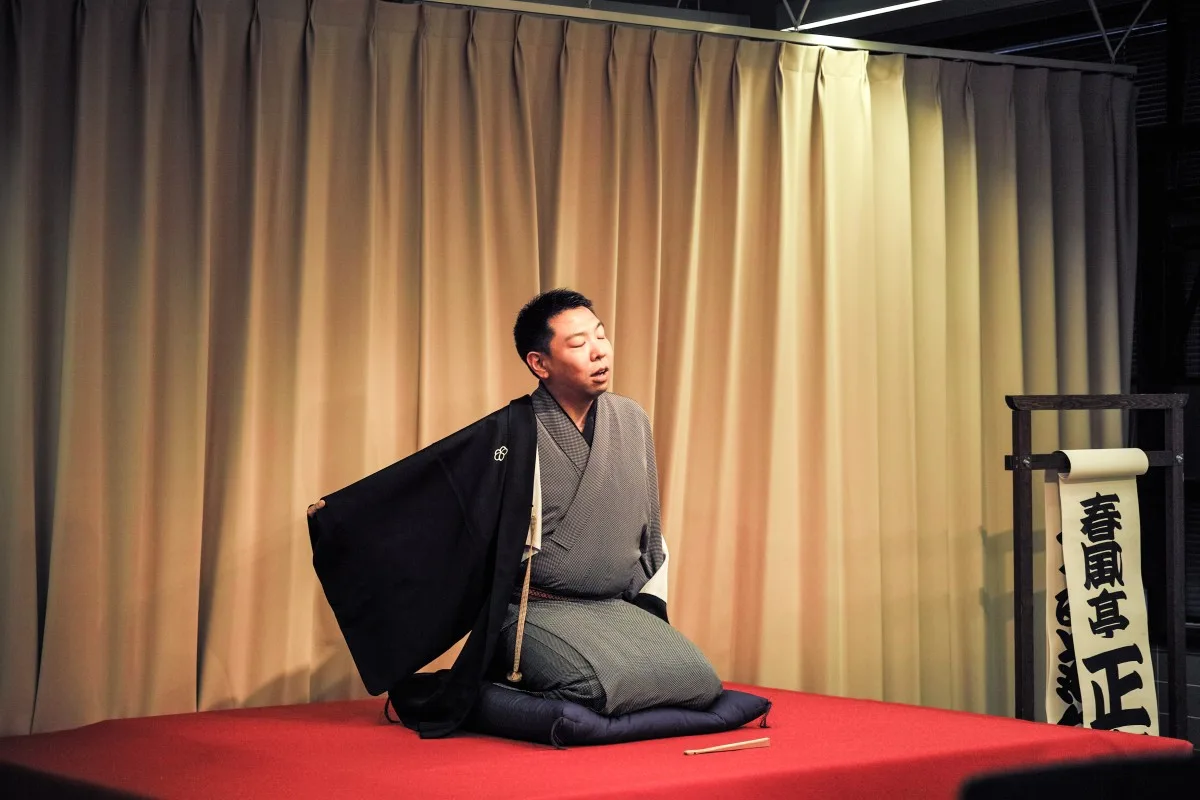
What are Haori like?
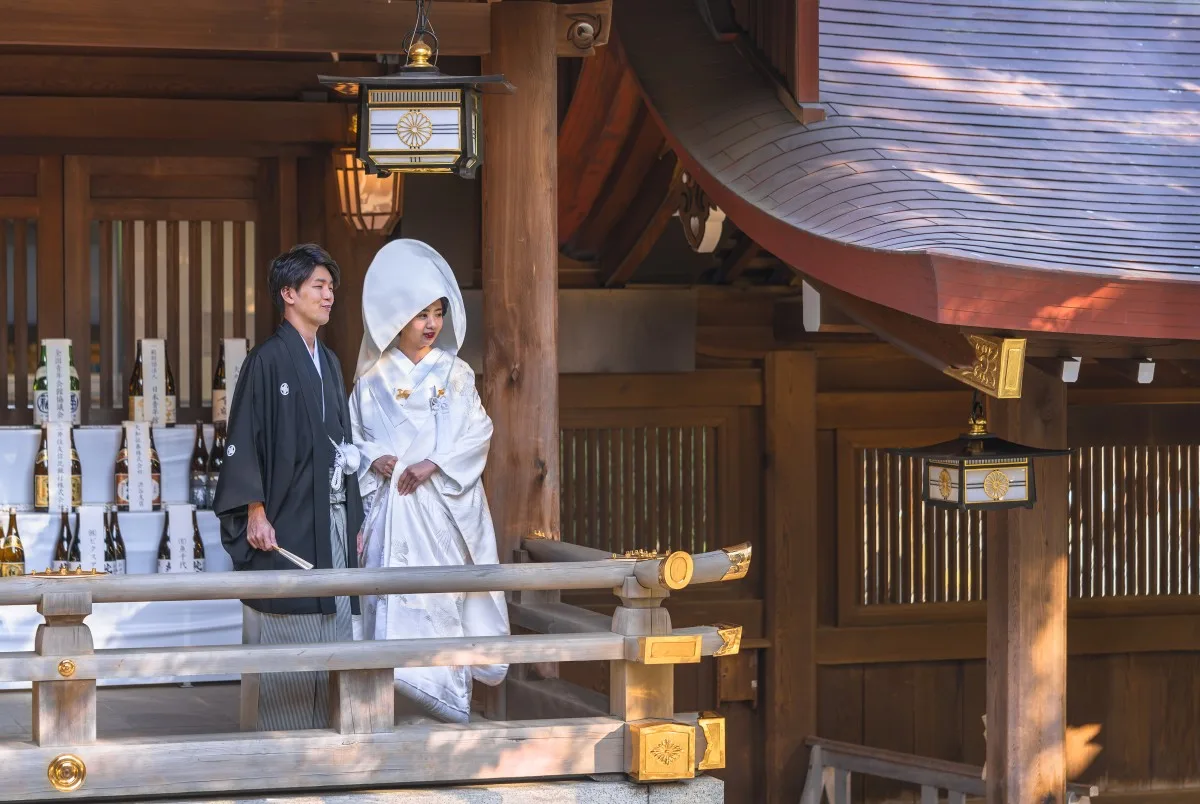
Haori are often worn by Japanese women when participating in formal events or when going out in public.
Haori come in a variety of colors and patterns, and can be made from a variety of materials. Silk is the most popular material for haori, but they can also be made from wool, cotton, or synthetic materials.
The Haori is usually tied at the front with two short cords called Haori Himo, which attach to small loops sewn into the garment.
Different types of Haori
Some other pieces similar to traditional Haori can be found under different names. Below we will see some of these clothing pieces inspired by or similar to Haori.
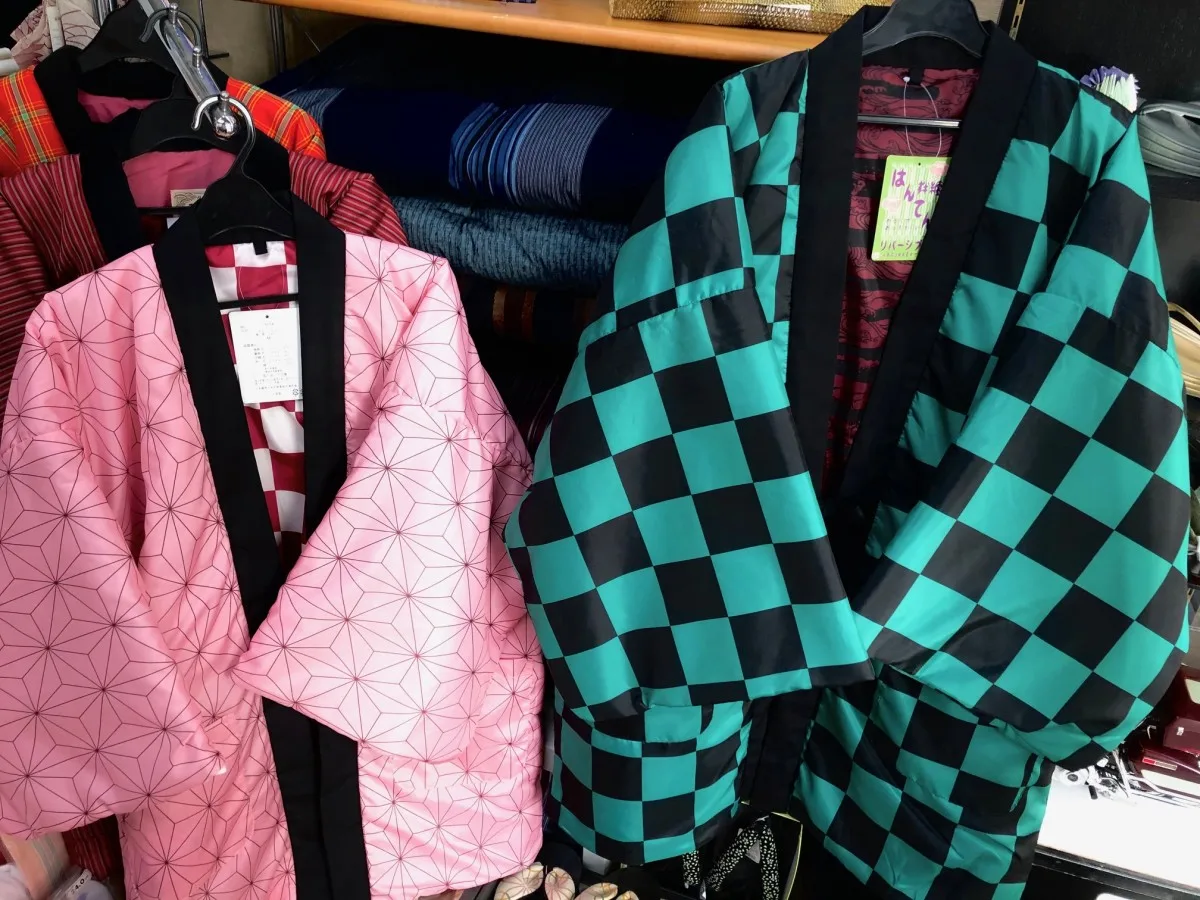
Hanten
This is a garment very similar to the Haori, its use is more informal and often padded for winter. It also started to be used in the Edo period.
Hifu
Hifu is a sleeveless padded vest worn by small children during festivals like Shichi-Go-San over the Kimono.
We recommend reading: Kodomo no Hi, Hina Matsuri and 753 – Children's Day in Japan

Happi
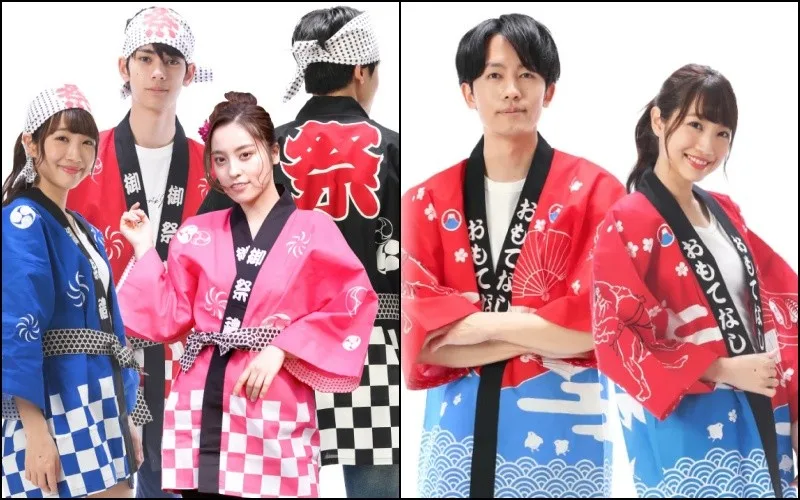
This jacket is often worn by shopkeepers or employees as a uniform, and is also commonly worn at Japanese festivals with some type of print.
Jutoku Haori
This is a long Haori with a unique tailoring, with silk threads, waist stitching, and wide sleeves. It used to be worn by doctors, painters, monks, and Haiku poets, and is now used in tea ceremonies.
We also recommend reading: Montsuki – The traditional outfit for men
What is the Origin of Haori?
The haori dates back to the Edo period in Japan (1603-1868), when it was first worn by the samurai class. Its initial use was only to protect clothing from dust, but it began to be stylized.
The haori became increasingly popular among the general population during the Meiji period (1868-1912), when it was adopted as a form of national clothing.
Today, the Haori is still worn on special occasions, such as weddings and funerals, as well as by many women as a stylish everyday clothing piece.
If you are interested in buying a haori, you can find a wide selection of new and old haori online, in Japanese clothing stores, or in specialized shops that sell traditional Japanese clothing.


Community
Comments
0 comments
There are no published comments in this language yet.
Send comment