
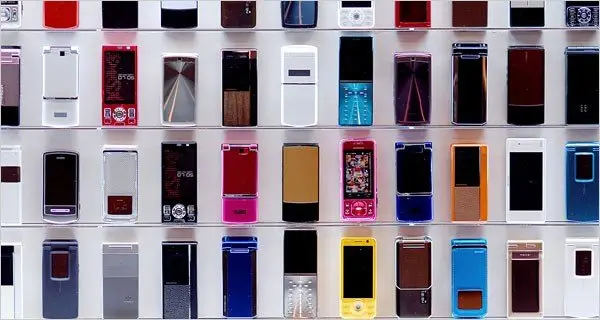
A Japanese flip phone can still look startlingly futuristic in an older drama: compact, glossy, hung with a charm, and packed with buttons. Yet that image only tells part of the story. Phones in Japan have changed with the networks beneath them, while a few habits—quiet train rides, contactless payment, and a love of practical details—remain easy to notice.
The useful question is not whether Japan uses flip phones or smartphones. It is how the word keitai, the devices themselves, and the everyday rules around them have changed over time.
Contents 6
Keitai, sumaho, and the words people use
In Japanese, a mobile phone is keitai denwa (携帯電話), literally a portable telephone. In conversation, it is often shortened to keitai (携帯). A smartphone is commonly called sumaho (スマホ), a shortened form of “smartphone.”
Those words matter because keitai does not describe one particular shape. It can evoke the older Japanese mobile-phone era, but it can also be a casual way to refer to a phone in general. When someone says garakei, they usually mean the older feature-phone style associated with the domestic market; the label is not a guarantee that every clamshell device works in the same way today.
Why Japanese flip phones became so memorable
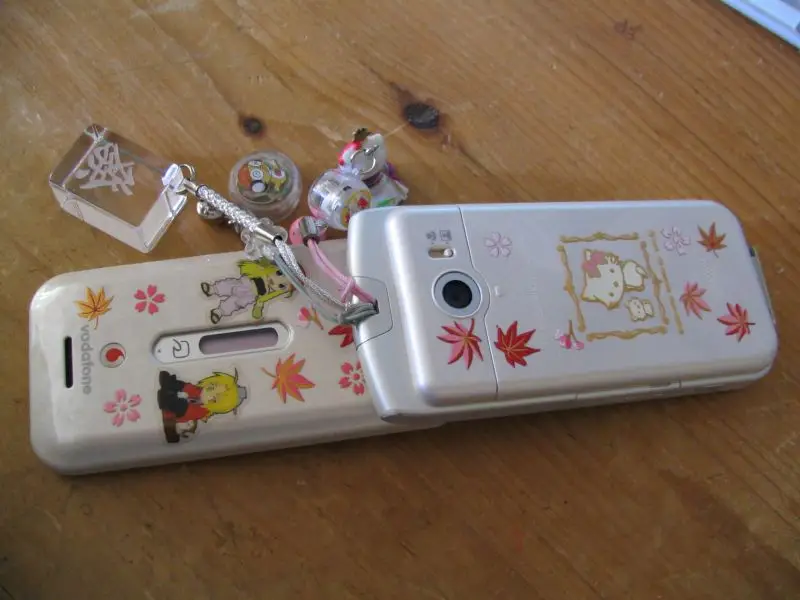
Clamshell phones earned their reputation by doing ordinary jobs well: calls, email, cameras, messaging, and small conveniences in a shape that closed over its keypad. Their designs also became part of the visual language of anime, dramas, and everyday street photography. That is why they remain memorable even for people who have never used one.
It is better not to treat the clamshell as proof that Japan resisted smartphones. The older 3G world has moved on. NTT Docomo ended its FOMA and i-mode services on March 31, 2026, and its notice makes clear that network and voice-service support matter as much as the phone’s appearance. A folding handset may be an older device, or it may be a later model with different capabilities; the specific model and service are what count.
That shift also explains why an iPhone or Android handset can sit beside a keitai in the same conversation. The interesting part is less a contest between two shapes than the services a person expects from a device. For a broader look at that contrast, see our article on technology and everyday life in Japan.
Osaifu-Keitai: when a phone acts like a wallet
Osaifu-Keitai (おサイフケータイ) means “mobile wallet.” The name is closely tied to FeliCa, Sony’s contactless IC-card technology. FeliCa Networks launched Osaifu-Keitai in 2004 and describes its mobile platform as supporting transportation and payment services on compatible devices.
That history helps explain why tapping a phone or wearable can feel so natural in daily life. The important detail is compatibility: a device must support the relevant service, so an NFC symbol by itself should not be treated as a promise that every Japanese transit or payment feature will work. If you are considering an iPhone in the country, our guide to Apple in Japan adds useful context.
Phone etiquette on trains and in public spaces
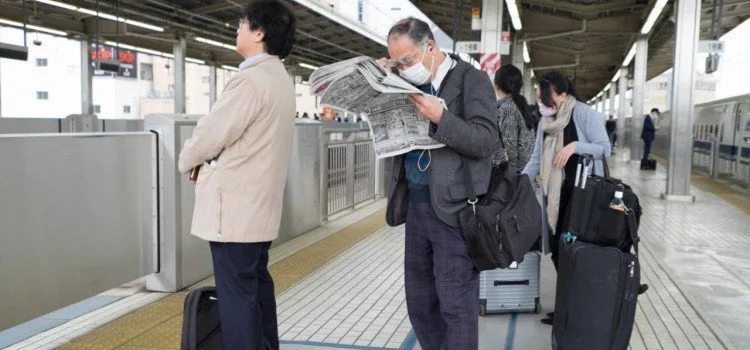
One of the most visible habits for visitors is the quietness of a train carriage. Texting, reading, listening with headphones, and checking a map are ordinary sights. A long phone conversation is different: many rail companies ask passengers to avoid calls, and the National Consumer Affairs Center of Japan advises people to set phones to silent mode and turn them off in crowded areas near priority seats.
This is etiquette, not a reason to panic when a phone rings. Silence the device, keep the call for later when possible, and pay attention to the signs in the carriage. The rule makes more sense as consideration for nearby passengers than as a mysterious ban on phones.
Messaging has its own place in this routine. LINE is central to many conversations in Japan, while a phone is also a map, ticket companion, camera, and small payment tool.
Small details people associate with Japanese phones
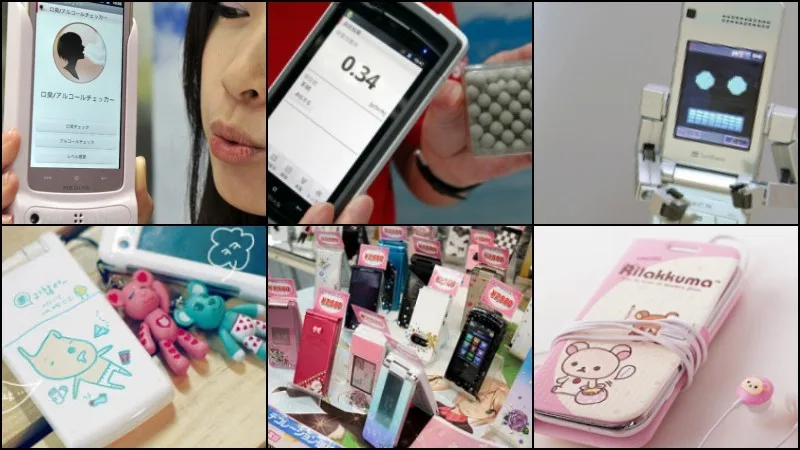
Older phones are remembered for infrared exchanges, decorative straps, compact cases, and a remarkable range of colors and limited designs. Some of those details belong to a particular mobile era rather than to every phone in use now, but they explain why the keitai has such a distinct cultural afterlife.
Mobile entertainment has changed too. Watching video, reading on a phone, playing games, and browsing on a commute are no longer unusual behaviors tied to one kind of handset. What endures is the idea that the phone travels everywhere and should be useful without becoming a nuisance to the people nearby.
Buying or using a phone in Japan
Do not choose a phone for Japan by looks alone. Before buying a local handset or bringing one from abroad, check the exact model with the carrier or retailer: network support, SIM or eSIM options, voice-service compatibility, language settings, and the payment or transit features you expect to use. An unlocked device can still need a compatibility check for a particular service.
For a short visit, it is often more useful to decide what you need first—data, maps, messaging, calls, or payment—than to chase a famous Japanese model. If connectivity is the priority, our guide to internet access in Japan is a good next step.
The keitai is not a relic that tells the whole story of technology in Japan. It is one chapter in a longer story: portable devices became payment tools, travel companions, and quiet fixtures of public life. Knowing that history makes the small rituals around a phone—where to tap, when to silence it, and what a familiar word really means—much easier to understand.


Community
Comments
0 comments
There are no published comments in this language yet.
Send comment