

The number of overweight people in Japan is very low compared to many other countries, especially when compared to the United States, where a large share of adults are classified as obese. Because of that, many people try to explain why so many Japanese people remain slim.
In this article, we look at the main theories that are often mentioned. This is not about miracle diets, medical advice, or judging anyone's body. It is simply a way to explore the different explanations people usually give when talking about Japanese food culture, daily habits, and lifestyle. If you want more of the culinary context, you can also read our article about popular Japanese foods.
Contents 7
Hypothesis 1 - Physical Exercise and Walking

One of the most common explanations is that many Japanese people walk a lot in their daily routine. Instead of relying on a car for every short trip, many people walk to work, to the station, or between different parts of the city. That adds up to a considerable amount of movement throughout the day.
When you walk through Japanese cities, it is easy to see sidewalks and streets full of people moving quickly and regularly on foot. This habit alone does not explain everything, but it can certainly be part of the picture.
Hypothesis 2 - Type of Diet
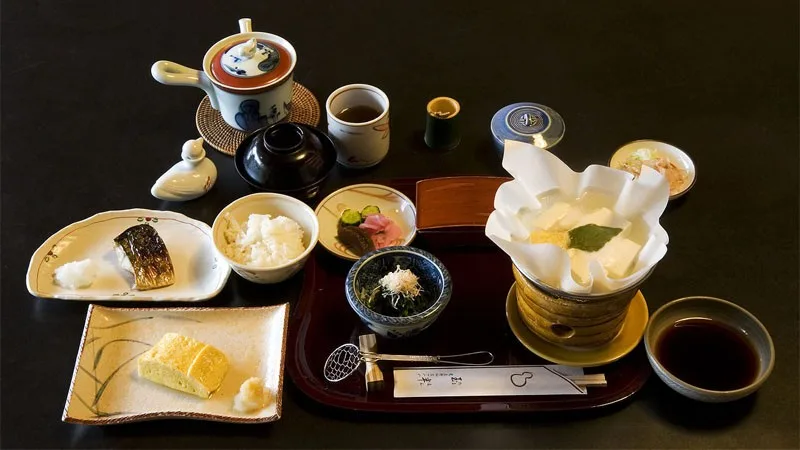
Diet is another widely mentioned factor. When fish, vegetables, rice, soy products, and tea are part of the routine, the body is simply exposed to a very different food pattern than one based on heavily processed and sugar-rich meals.
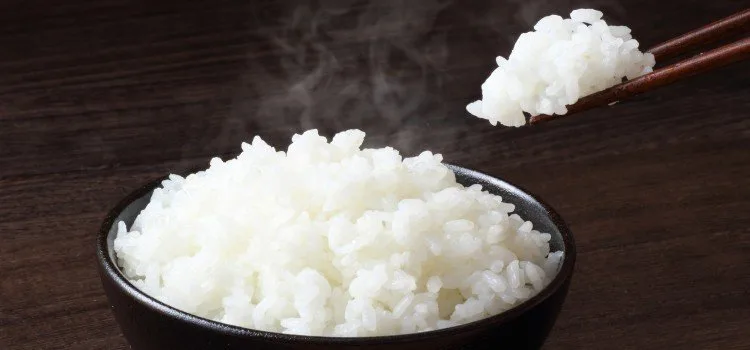
Many Japanese dishes are also not as sweet as some Western foods. Flavor is often built through umami, broths, fermentation, and natural ingredients. Compared with places like Brazil or the United States, many people notice that Japanese people are not used to excessive sugar in the same way.
Okinawa is an interesting example. The region is often known for high life expectancy, even though the traditional diet also contains carbohydrates. That shows very clearly that diet is never just one ingredient or one rule. If you want to go deeper into that topic, you can also read the BBC article here: Carbohydrates and the unusual secret of the island with the highest life expectancy in the world.
Hypothesis 3 - Genetics of "Slimness"
A third explanation is genetic. Human populations developed differently depending on climate and region, and that means some physical traits may have become more common over long periods of time.
Some theories suggest that something in Japanese DNA may have developed in a way that supports a more active metabolism. That is not a final answer, but it is one of the ideas often discussed when people try to explain Japanese slimness.

In that sense, the biological and evolutionary factor may indeed have played an important role.
Hypothesis 4 - Social Pressure

Especially among women, there is often a strong pressure to stay within a slim standard. General bullying and prejudice against overweight people in Japan remain, unfortunately, a very common problem. In society, overweight people are often seen as careless or lazy.
Because Japan is a culture that values the collective, many people try to fit into the same social mold. When that does not happen, problems such as depression and suicide can appear. Of course, this is not unique to Japan, but it is often discussed in that context.
Hypothesis 5 - Consumption of Thermogenics
Coffee, teas such as green tea, ginger, and spicy foods are often described as thermogenic. That means they can raise body temperature and heart rate a little, which may help the body burn more calories.
Japanese people who regularly consume coffee, green tea, or chili may therefore burn a few extra calories even at rest. This hypothesis is controversial, though, because countries like Brazil and the United States also drink plenty of coffee and are not automatically slim. So it is possible, but definitely not a complete explanation.
Hypothesis 6 - Size of Plates and Portions
Finally, there is the idea that smaller plates and smaller portions lead to lower calorie intake overall. That does not apply to every Japanese person, but in many households the amount served is more moderate.
This connects with the culture of Mottainai, the idea of avoiding waste whenever possible. Instead of piling the plate high, people often serve just what will actually be eaten. In countries like Brazil, food waste is often more common, while in Japan, care with preparation and storage is part of a culture that values every grain of rice.
The size of plates and the amount served for lunch or breakfast in Japan is often closer to a small snack than to a large meal. Because many food products are imported from abroad, especially meat and fruit, some foods become more expensive and less likely to be bought in large quantities.
Read our article about food in Japan here.
Japanese Vocabulary about Physical Fitness
- やせる - Yaseru = To lose weight.
- 太る - Futoru = To gain weight.
- 太い - Futoi = Fat.
- 細い - Hosoi = Thin.
- ムキムキ - Mukimuki = Muscular.
- 筋肉 - Kinniku = Muscles.
- 強い - Tsuyoi = Strong.
- 弱い - Yowai = Weak.
- プロテイン - Purotein = Protein (usually the supplement).
- 健康的 - Kenkouteki = Healthy.
- 健康にいい - Kenkou ni ii = Good for health.
- 健康に悪い - Kenkou ni warui = Bad for health.
- ウエスト - Uesuto = Waist.
- 身体 - Karada = Body.
So, what do you think? Did you like the article? Then feel free to comment, like, and share it on social media.




Community
Comments
0 comments
There are no published comments in this language yet.
Send comment