
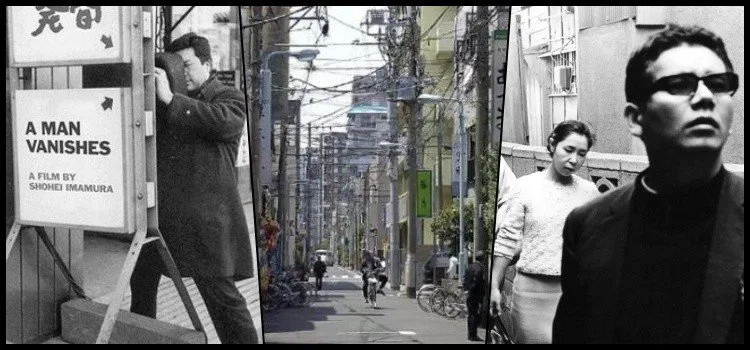
Have you ever fantasized about simply disappearing and leaving your problems behind? For most of us, it stays a daydream, but in Japan this phenomenon is real and has a name: Johatsu (蒸発). It is not the same as suicide; the word johatsu can be translated literally as "evaporation." It describes a person who simply vanishes, without leaving traces or signs behind.
One of the main drivers of johatsu is shame. Some disappear after losing a job, going through a failed marriage, or racking up a large debt. Many shed their old identities and quietly start over in Japan, living where no one is looking for them.
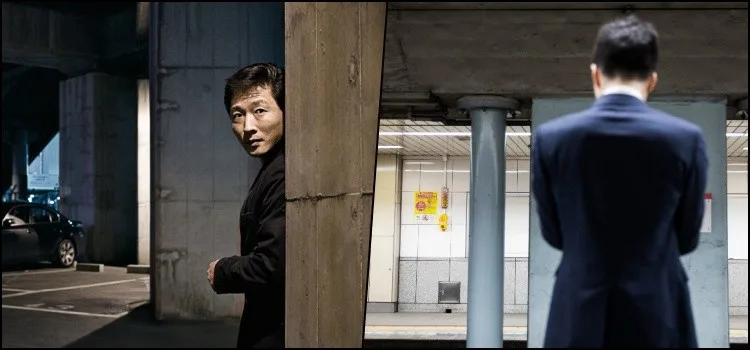
How and why do they disappear?
For people who cannot face failure and shame but do not want to take their own life, johatsu is one of the few exits that feels possible. The reasons behind these evaporations are varied: a child who fails an exam and cannot face their parents, a husband who has spent too much on gambling and fallen into debt, or a small-business owner whose company has just gone under.
It is not kidnapping, and it is not suicide. Estimates put the number of people who vanish in Japan each year at close to 100,000, most of them without leaving traces. Some resurface after a while. Others end up isolated at home, the way hikikomori are. And some go on living a normal life, just without being visible in society. The practice was especially common when Japan went through its economic difficulties in the 1990s, but it still happens today.
These people are often not found, partly because Japan's privacy laws make it easy. A person does not have to register their new address with the city hall, and tracking bank or credit card movements is only possible in criminal cases. The families of the disappeared do not have a clear channel to search for them, which is part of what makes johatsu so different from a typical missing-person case.
Where do the johatsu go?
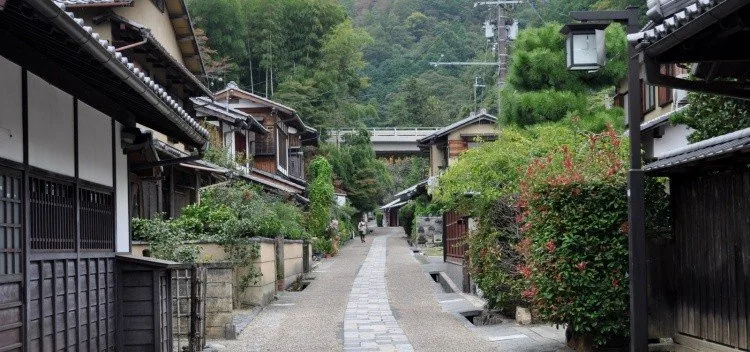
Journalists and researchers have spent years looking into the people who have quietly erased themselves from society. Some can be found living in rural communities, in Sanya on the northern edge of Tokyo, or in Kamagasaki in Osaka. These neighborhoods are known for not requiring identification, and they have long been tied to the world of the Yakuza. A few johatsu end up working for the Yakuza, where they can be paid off the books and leave no financial trail that might give away where they are.
The practice of disappearing is not new in Japan. There is even a Japanese film, Ningen Johatsu (人間蒸発), released in 1967, and a small library of books on the subject. What pushes a person to leave a family, abandon an old identity, and start a new life somewhere else is not fully understood. Even relatives often cannot say exactly when the decision was made. If you have ever known someone who simply vanished, or if you have come across the johatsu phenomenon while reading about Japan, it is worth pausing on the fact that this quiet form of leaving is far more common than most visitors ever realize.






Community
Comments
0 comments
There are no published comments in this language yet.
Send comment