

Do you know what sensei means? Many people say that the Japanese word means master, mentor, instructor, or teacher, but is that really true? Those four words are the ones you hear first. A doctor receives the same word as readily as a classroom teacher, because the title follows the person you are addressing.
Contents 5
Sensei, an honorific
The word sensei [先生] is an honorific, a keishou, used after a name. People also use it on its own, with no family name attached. In other words, we can simply call our teachers and mentors sensei. The respectful grammar for that person's actions is sonkeigo, one part of keigo, and it is a separate choice from the title.
This honorific is used with teachers, doctors, masters, and anyone at a higher level who is teaching you something. Senpai and kouhai mark who arrived earlier or later in the same group. Sensei marks the person you are learning from.
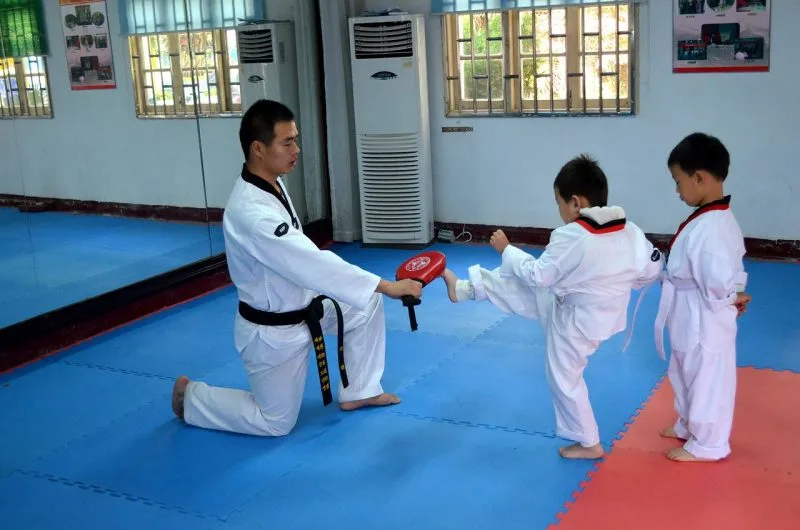
Sensei can also be used for clergy, accountants, artists, musicians, novelists, or anyone with mastery in a certain area whom you respect as a guide.
Sensei are people who have achieved some degree of mastery or success in a skill or field.
What the characters of sensei mean
Sensei [先生] is built from sen [先], before, and sei [生], birth or life. Daijisen gives the older meaning as someone born before you, an elder. The usual meaning, the person who teaches you, grew from that. A doctor is sensei to the patient even when the patient is older, since the word follows the skill.

Just like senpai, you leave this title to the other person. You name your own job with the word for the profession. That is why Japanese keeps other words for teacher, master, and the work of teaching. The reading sensei is the on'yomi of those two characters, the reading that came across from Chinese.
The same characters are xiansheng in Mandarin. Today that courtesy title is close to Mr. Before modern standard Chinese, and still in several southern varieties, xiansheng also addressed a teacher or a doctor. Japanese kept the teaching sense, for men and for women.
The person on the other side of the address has two common names. Seito [生徒] is a school pupil. Deshi [弟子] is the apprentice who studies a craft under a master. You attach sensei to a name, while seito and deshi name the learner, and kouhai names the junior in a group.
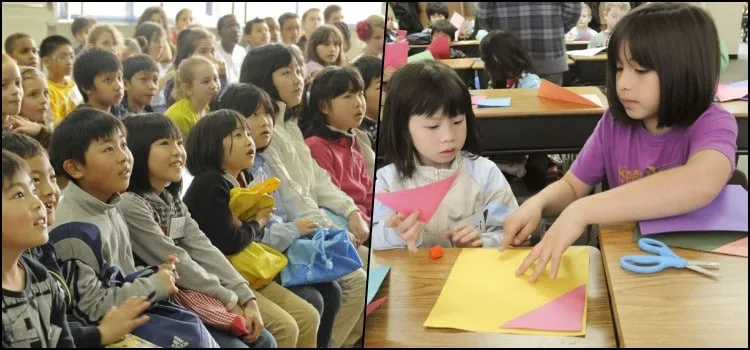
Sensei is an honorific and, therefore, does not apply to oneself.
What it means to be a sensei
We know what the characters say. Many people hope to be addressed as sensei, and the word still has to come from the other person. In a classroom the students already have the habit, so the word arrives with the job, whether or not the room looks like the schools in anime. Outside school, the students, the patients, or the readers are the ones who give it.
In martial arts, people who want to advance and open their own dojo run into this question. The sensei there is the community leader who runs the class and helps keep the dojo active, and the address comes with that life: the training, the students, and the upkeep of the place.

Master, teacher, and sensei
Many people treat sensei as the Japanese word for master. The English words overlap with the address, and Japanese keeps a separate word for the job beside it.
A mentor who only hands over the lesson, with little care for the students and little closeness to them, is rarely addressed as sensei once the teaching leaves the classroom. Teachers in classrooms in Japan can also be called kyoushi [教師], the name of the profession. The doctor, the novelist, and the shishou receive sensei without holding that classroom job.
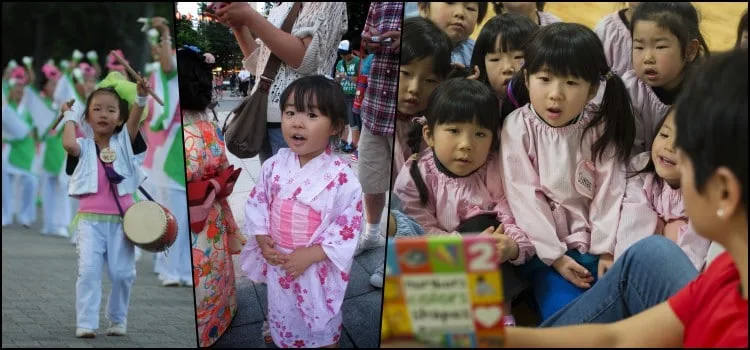
Other words beside sensei
Some people use shishou [師匠] for a master or teacher. Shishou refers to a skilled person in a craft, such as kabuki, the tea ceremony, carpentry, or another artisan trade. The person learning from a shishou is the deshi.
Kyouju [教授], read kyouju, is both the act of teaching a subject and the top teaching rank at a university, the professor. Kyoushi remains the name of the classroom job.
Shihan [師範] means a model teacher: someone who teaches a discipline and sets the standard, and also the qualification to do so. A budō organization may attach the title to a high dan, and the dan it asks for changes from group to group. Shuseki shihan is the chief instructor, the lead teacher of that group.

Sensei is the everyday address. The rows below are the neighbors that also get translated as master or teacher.
| Master, specialist | 名人 | meijin |
| Master, from English | マスター | masutaa |
| Teaching staff | 教員 | kyouin |
| Grand master | 大先生 | daisensei |
| Teacher you owe your training to | 恩師 | onshi |
Speaking to the teacher, the doctor, or the instructor at the dojo, the word is sensei. Naming the classroom job, the teaching license, or the teacher you still thank calls for kyoushi, shihan, or onshi.






Community
Comments
0 comments
There are no published comments in this language yet.
Send comment