
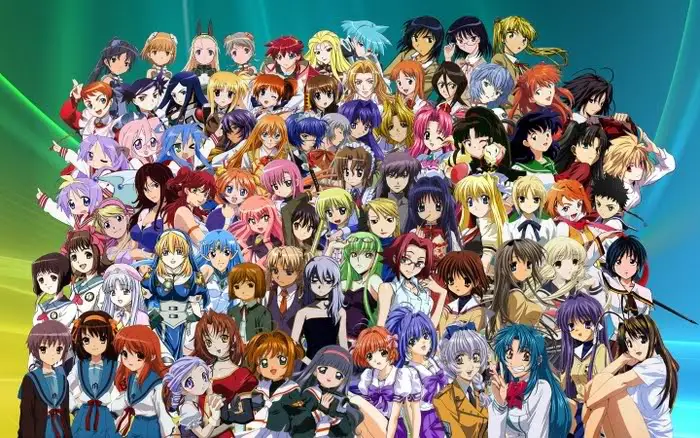
One fictional fight can fill a comment section for days. Ask whether Goku could beat Saitama and the answer is rarely a quiet yes or no: people bring different versions of each character, different ideas about strength, and plenty of affection for the series that made them fans in the first place.
That is the useful side of anime wars. The phrase can describe a playful character matchup, a rough argument between fan communities, or an anime story built around an actual conflict. Those meanings are easy to mix together, so it helps to separate them before the debate becomes louder than the shows themselves.
Contents 6
What does Anime Wars mean?
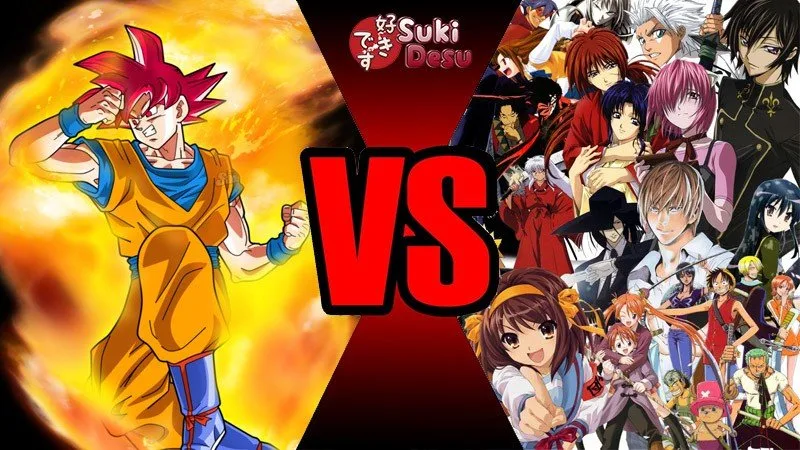
There is no single official format called Anime Wars. In fan conversation, it usually starts with a versus question: two characters from different series are placed side by side and people argue about who would win. The point is often less about finding a final answer than testing what each viewer values—combat experience, strange abilities, strategy, endurance, or the tone of the story itself.
The same phrase can also point to friction between communities. Someone ranks a beloved series low, calls a popular character overrated, or dismisses a whole genre, and a small disagreement turns personal. That is a different kind of battle. The first one plays with fiction; the second one can make fans forget that taste is not a scoreboard.
Why Goku vs. Saitama never has a clean ending
Goku and Saitama are a perfect example because the question changes depending on the rules. Goku has decades of transformations, training and battles behind him. Saitama was created around the joke that a hero can end a fight with one punch. Reading those two ideas as if they were measurements on the same ruler misses what makes each character work.
A better matchup conversation names its boundaries. Are you comparing anime versions, manga versions, a specific arc, or each character at their strongest? Are you talking about technique, storytelling, or a straight fight? Once those choices are clear, people can disagree without pretending that a fan-made verdict became part of either series. If you want to stay with the Dragon Ball side of the question, this guide on characters who could defeat Goku explores why the subject invites so many different answers.
When a fun debate becomes a fandom rivalry
Strong opinions are part of being an anime fan. A favorite scene, a disappointing adaptation, or an ending that divides viewers can lead to great conversations. Trouble begins when a claim about a series becomes a claim about the people who enjoy it. No character needs a defense team, and no fan has to treat a different opinion as an insult.
Keeping a debate enjoyable is not complicated. Explain the version or scene you mean. Let another reader use different criteria. Avoid treating popularity as proof of quality, or a low score as proof that a series has no value. The goal is not to eliminate disagreement; it is to leave room for the reasons people connect with different stories.
Wars inside anime stories
Literal wars give anime another kind of conflict. They can be about armies and tactics, but the strongest stories also make room for civilians, divided loyalties, political pressure and the cost paid after a victory. That range is why a war-anime list can include mecha, historical fiction, fantasy and drama without all of those shows feeling alike.
Here are a few directions to explore rather than a final ranking:
- Naruto: the Fourth Great Ninja War brings together long-running alliances, old grudges and battles on a very large scale.
- Fullmetal Alchemist: Brotherhood: the Ishval conflict is not background decoration; its consequences shape the choices and guilt carried by major characters.
- Attack on Titan: what begins as humanity fighting Titans grows into a story about fear, survival and competing histories.
- Code Geass: rebellion, occupation and political manipulation sit beside its tactical battles and large personalities.
- Kingdom: military campaigns and ambition drive a historical-fiction journey inspired by China’s Warring States era.
- Mobile Suit Gundam: its conflicts use giant machines, but the human cost and competing ideals are never far from the cockpit.
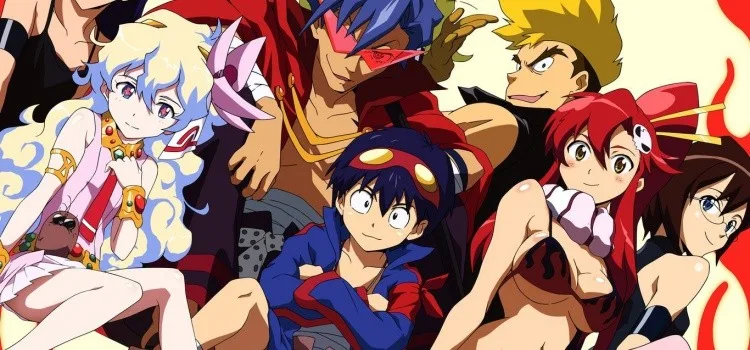
Choosing a war anime by what you want from it
Choose Kingdom when campaign strategy and the movement of armies sound more appealing than a single duel. Try Code Geass if you want plans, reversals and the pressure of leading a rebellion. Fullmetal Alchemist: Brotherhood works when you want the moral aftermath of violence to matter as much as the action. For a science-fiction route, Mobile Suit Gundam puts technology, ideology and conflict in the same frame.
War is not the only reason to watch those series, and that is exactly the point. A memorable conflict changes friendships, tests convictions and leaves characters with consequences that cannot be solved by winning one battle. For a longer watchlist, see our selection of war anime to watch.
Keep the question, lose the hostility
Anime wars are most interesting when they invite a closer look. A Goku versus Saitama thread can reveal how differently two series use power. A debate about a war anime can lead to a recommendation that would otherwise have been missed. The discussion gets better when it stays curious enough to hear another answer—and relaxed enough to remember that no comment section has the last word.



Community
Comments
0 comments
There are no published comments in this language yet.
Send comment