
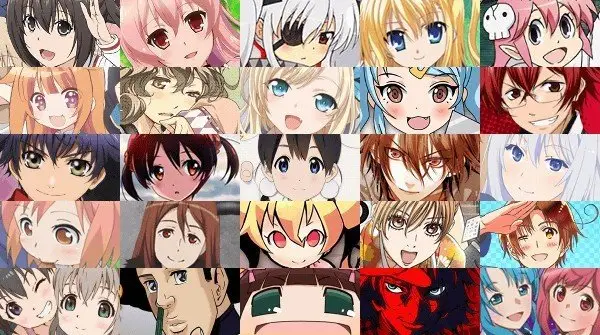
People outside Japan often use anime as if it meant one style, one age rating, one kind of story. In Japan, the same word is closer to a simple label for animation itself — and that gap already explains a lot of the confusion around Japanese cartoons.
What looks like “just cartoons” from the outside is a huge industry with its own seasons, studio culture, genres for kids and adults, and a media machine that sells far more than episodes. Here is a clear map of what anime means, where it came from, how it is made, and why it sticks.
Contents 9
What does anime mean?
Anime [アニメ] is the Japanese word derived from the English “animation.” Japanese speakers use anime for animated works in general, not only productions from Japan. Outside Japan, English speakers usually reserve the word for Japanese animation specifically.
For many Western viewers, “anime” also implies a familiar look: expressive eyes, stylized faces, and stories that can feel more adult than Saturday-morning cartoons. That stereotype is incomplete. Works like Sazae-san are Japanese animation too, even when they do not match the look people expect from action titles.
In full form, the borrowed word is animēshon [アニメーション]; the shortened anime is the everyday form. Shortened loanwords are common in Japanese, so the short form is not “incorrect” — it is the natural one.
What is the origin of anime?
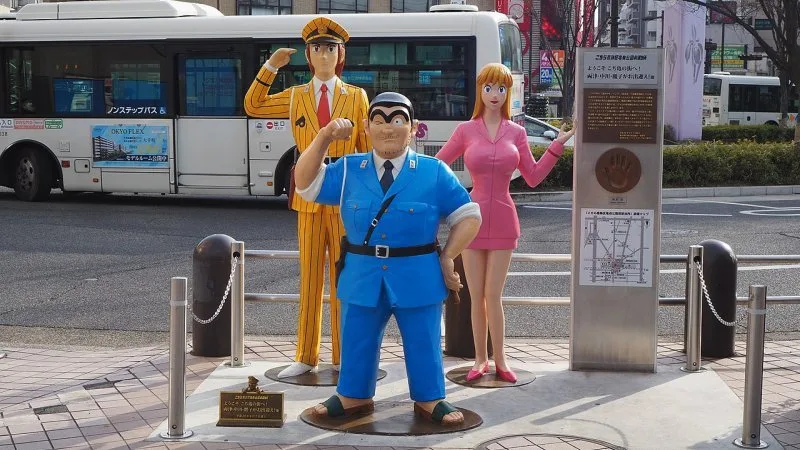
Japanese animation has roots much earlier than the modern TV boom. Experimental and commercial shorts appear from the early twentieth century, and wartime and postwar periods already show American and European influence on Japanese artists.
The style many people now call “anime” took clearer shape in the 1960s. Osamu Tezuka, with his famous work Astro Boy [鉄腕アトム], helped define a TV identity that later studios kept refining. By the mid-1960s, Japan was already producing landmark series and films that mixed manga-born design with serialized storytelling — including early hits remembered abroad under titles such as Speed Racer.
At that time manga already dominated Japanese reading culture, so film and TV adaptations were a natural next step. Mecha, adventure serials, and limited-animation techniques designed for weekly schedules all became part of the medium’s DNA.
What was the first anime made?
Many people treat Astro Boy as “the first anime,” but that answer only works if you mean the first major Japanese TV series that shaped the modern industry. Earlier Japanese animation already existed.
Hakujaden (The Legend of the White Serpent), released in 1958 by Toei, is often cited as Japan’s first color feature-length animated film in commercial circulation. Before that, Japan had silent-era and prewar shorts; one frequently mentioned early fragment is Katsudō Shashin (around 1907), and 1917 already saw professional theatrical shorts such as Namakura Gatana.
So the honest timeline is layered: early experiments and shorts in the 1900s–1910s, theatrical features mid-century, and the 1963 Astro Boy TV series as the turning point for weekly anime as a mass medium. For a wider studio map, see the list of animes by studio and release year.
How are animes created?
Japan is a reading culture, and one of its most profitable print markets is manga — comics with their own pacing and visual grammar. A large share of TV anime starts there, adapting panels and character designs for motion.
Beyond manga, light novels and visual novels (dialogue-heavy game stories) are also adapted for television with a similar visual language. The pipeline is not one-way: original anime scripts exist too, and some of them later spawn comics or games.
There are hundreds of animation studios in Japan, and every year dozens of new series reach air or streaming calendars. Still, that is only a fraction of the stories published as manga, novels, and games — which is why the catalog always feels endless.
Useful companions if you want the source formats themselves: why visual novels work and what a light novel is.
How are animes produced and released?
Most TV anime still follow Japan’s four broadcast seasons: winter (January), spring (April), summer (July), and autumn (October). A typical “cour” is about 12 or 13 weekly episodes. A 24-episode run may be one continuous “2-cour” season or a “split cour” with a break in the middle.
Alongside weekly series, studios release movies, OVAs (original video animation, not built for the main TV slot), ONAs (net animation), specials, and recap episodes. The business model mixes TV, home video, music, merch, and — today — global streaming.
There is no single target audience. Teen and adult series sit next to children’s shows with a very different visual and narrative register, such as Doraemon. Treating “anime” as one demographic is usually the first mistake newcomers make.

What are the genres of anime?
Anyone who thinks anime is only for children has not looked at the shelf labels. Japanese publishers and fans still use demographic tags that describe intended magazine audiences more than iron laws of content.
Shounen (young boys) — often action, adventure, friendship, and comedy for a teen male core audience. Examples: One Piece, Naruto.
Shoujo (young girls) — frequently romance, school life, drama, and comedy with a focus on relationships. Hits like Kimi ni Todoke, Maid Sama!, and Itazura na Kiss also found plenty of male viewers.
Kodomo (children) — titles aimed roughly at ages 6–12. Designs can be simpler, humor more educational or broad. Doraemon and long-running slice-of-life shows such as Sazae-san sit here, even if adults still watch them.

Mecha — giant robots and machine combat, from Gundam and Evangelion to Code Geass.
Kemono — stories centered on animals, beasts, chimeras, or animal-like characters.
On top of demographic labels, plot genres stack freely: adventure, action, science fiction, comedy, sports, drama, fantasy, romance, horror, school life, martial arts, magic. One series can wear several tags at once.
Genres of anime for adults
Adult anime is not only a euphemism for pornographic work. Several labels mark older target readers and more mature themes without reducing everything to explicit content.
Seinen — aimed mainly at men roughly 20 and up: often denser drama, darker comedy, politics, or realism mixed with genre plots.
Josei — aimed mainly at adult and young-adult women, with relationship and workplace stories that can feel closer to live-action drama.
Ecchi — sexual humor and fanservice short of hardcore pornography: camera angles, bathing scenes, underwear jokes.
Hentai — the Western umbrella term for pornographic anime and manga; in Japanese the word itself simply means “perverse” or “abnormal.”
Yuri / shoujo-ai — romance between women; yuri is often used for more explicit or intense works than the softer “girls’ love” label.
Yaoi / shounen-ai — romance between men; yaoi and BL labels usually signal heavier or more explicit material than lighter “boys’ love” romances.
Anime and the media
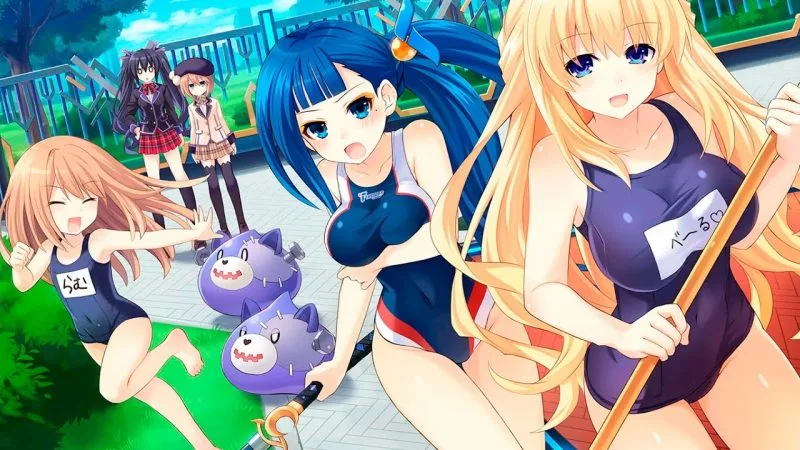
Anime, manga, games, and related books form a multi-billion-dollar ecosystem. A hit series rarely ends at the screen: apparel, toys, trading cards, figures, and collabs keep the franchise alive between seasons.
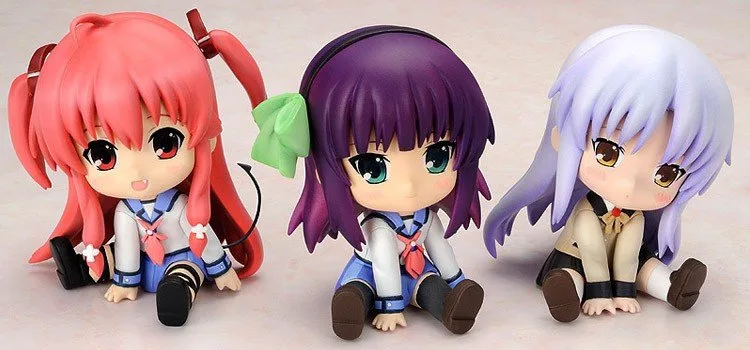
Music is part of the machine too. Openings and endings launch singles, albums, and live shows; voice actors build careers that spill into radio, events, and social media.
Fan culture — often summarized under the word otaku — feeds stores, billboards, conventions, and whole shopping districts. Nowhere is that denser than in Tokyo’s Akihabara, though other otaku neighborhoods in Japan matter as well. For the word itself, see what otaku really means.
Abroad, licensed manga, dubs, streaming catalogs, and local merch show the same loop: Japanese animation is not only content export — it is a full lifestyle market.

Japanese cartoons in the English-speaking world
In the U.S., U.K., and other English-speaking markets, anime spent decades in a strange double life: massively popular among young fans, yet still dismissed by some adults as “cartoons for kids” or reduced to a few loud titles.
That stereotype usually comes from a narrow sample. For years, what many English speakers saw first was action-heavy shounen — Dragon Ball, Naruto, Pokémon — sometimes heavily edited for TV. Romance, workplace drama, quiet slice-of-life, and denser seinen work reached audiences more slowly, so the medium looked narrower than it is.
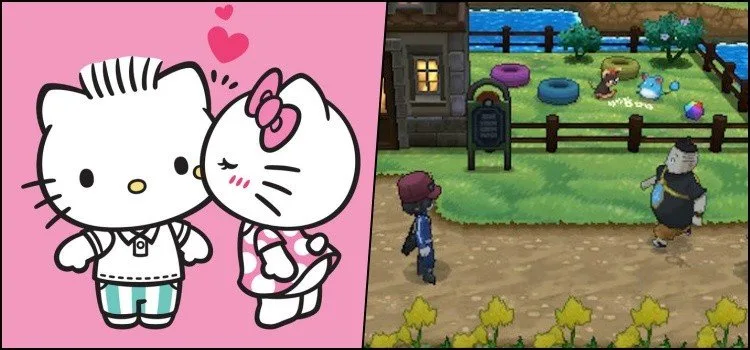
Streaming changed the distribution map. Catalogs on Netflix, Crunchyroll, HIDIVE, and other platforms now carry subtitled and dubbed series in a much wider range of genres, and physical manga publishing has grown alongside that demand. The old idea that “there is nothing in English except fight shows” is outdated.
Anime remains a strong entry point into Japanese language and everyday culture — school calendars, food, trains, manners, slang — without being a textbook. It also remains diverse enough that no single series can represent the whole medium. If you have only tried one or two big shounen hits, the next step is simply to pick a different demographic or mood: a shoujo romance, a seinen thriller, a kodomo classic, or a mecha drama. The catalog is wide enough that “I don’t like anime” usually means “I have not found my corner yet.”




Community
Comments
0 comments
There are no published comments in this language yet.
Send comment