
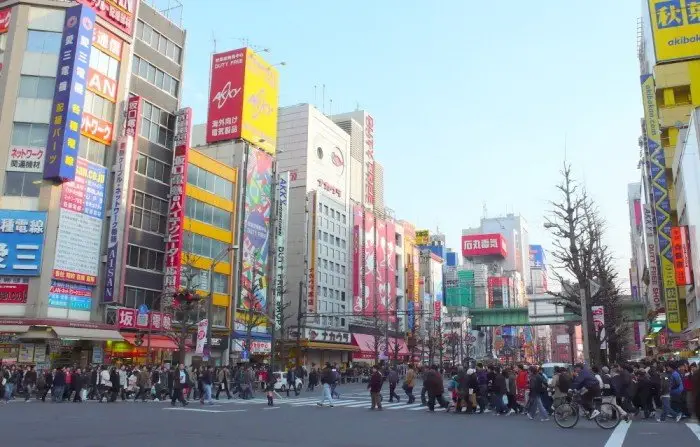
Akihabara gets most of the attention, but it is not the only place in Japan where anime, manga, games, figures, and collector culture feel alive on the street. If you are planning a shopping day around pop culture, the smarter move is to pick the neighborhood that matches what you actually want: new merchandise, second-hand treasures, retro games, doujinshi, street fashion, or animation history.
Some districts are better for current mainstream series, others are better for older collectibles, and some work best when you want the atmosphere as much as the shopping. The six areas below are the ones worth knowing before you build your itinerary.
Contents 7
1. Akihabara for the widest mix of anime, games, and electronics
Akihabara is still the easiest first stop for anyone who wants the full otaku shopping experience in one place. Around the station, you can move from figure shops to retro game shelves, giant electronics floors, capsule toy corners, card stores, arcades, and themed cafés without needing a complicated plan.
It works especially well for travelers who want variety more than precision. If you are still figuring out whether you care more about model kits, idol goods, used manga, or gaming hardware, Akihabara lets you compare everything in a single neighborhood. It is also one of the easiest places to combine shopping with stops like a maid café, an arcade session, or a detour to stores focused on cameras, keyboards, and electronics.
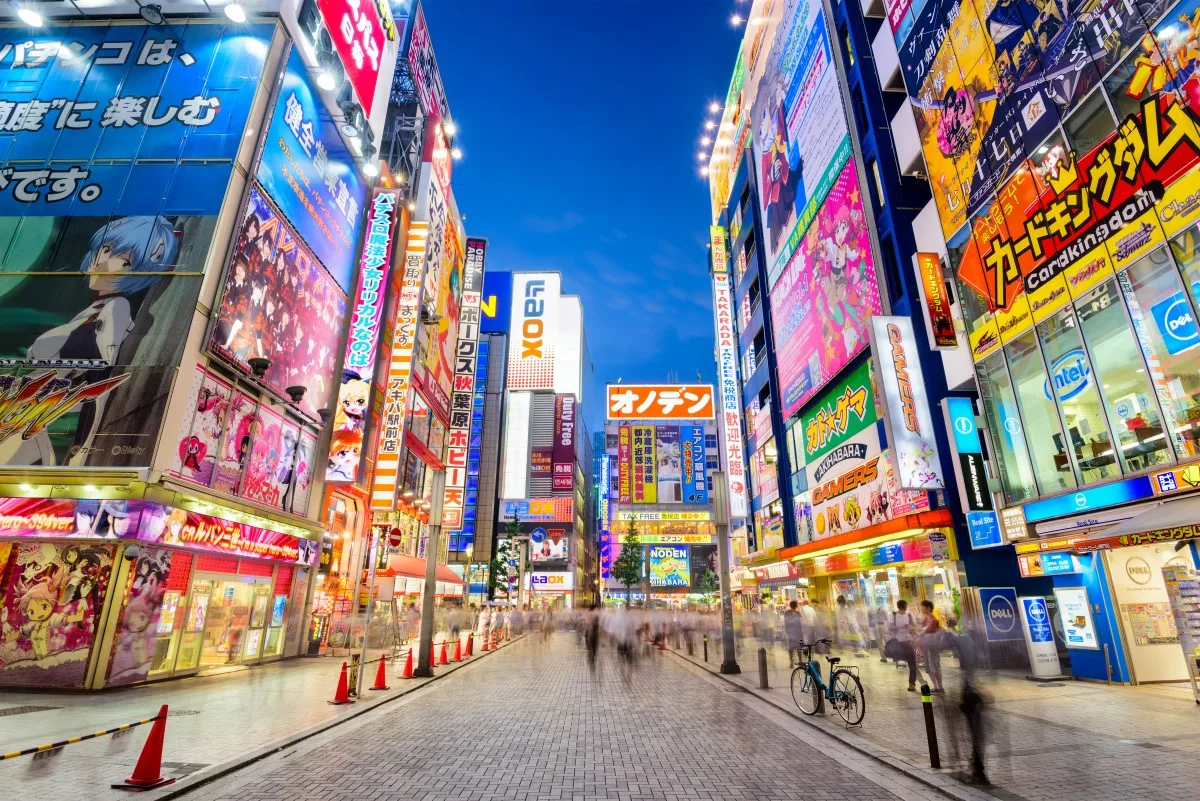
If this is your first trip and you only have time for one major otaku district in Tokyo, Akihabara is the safest choice. For a deeper breakdown of stores and the neighborhood itself, read our guide to Akihabara.
2. Nipponbashi Den Den Town for a Kansai alternative
If your trip is based in Osaka, Nipponbashi Den Den Town is the place that saves you from treating Tokyo as the only answer. The district sits close to Namba and has the same basic appeal: anime goods, figures, hobby stores, trading cards, electronics, maid cafés, and side streets where you can keep browsing long after you thought the area was over.
The difference is pace. Den Den Town tends to feel more compact and easier to combine with the rest of a Minami day, so you can move between otaku shopping, arcades, and central Osaka without losing half the day on trains. It is the obvious pick if you want that collector energy in western Japan instead of building your whole route around Tokyo.
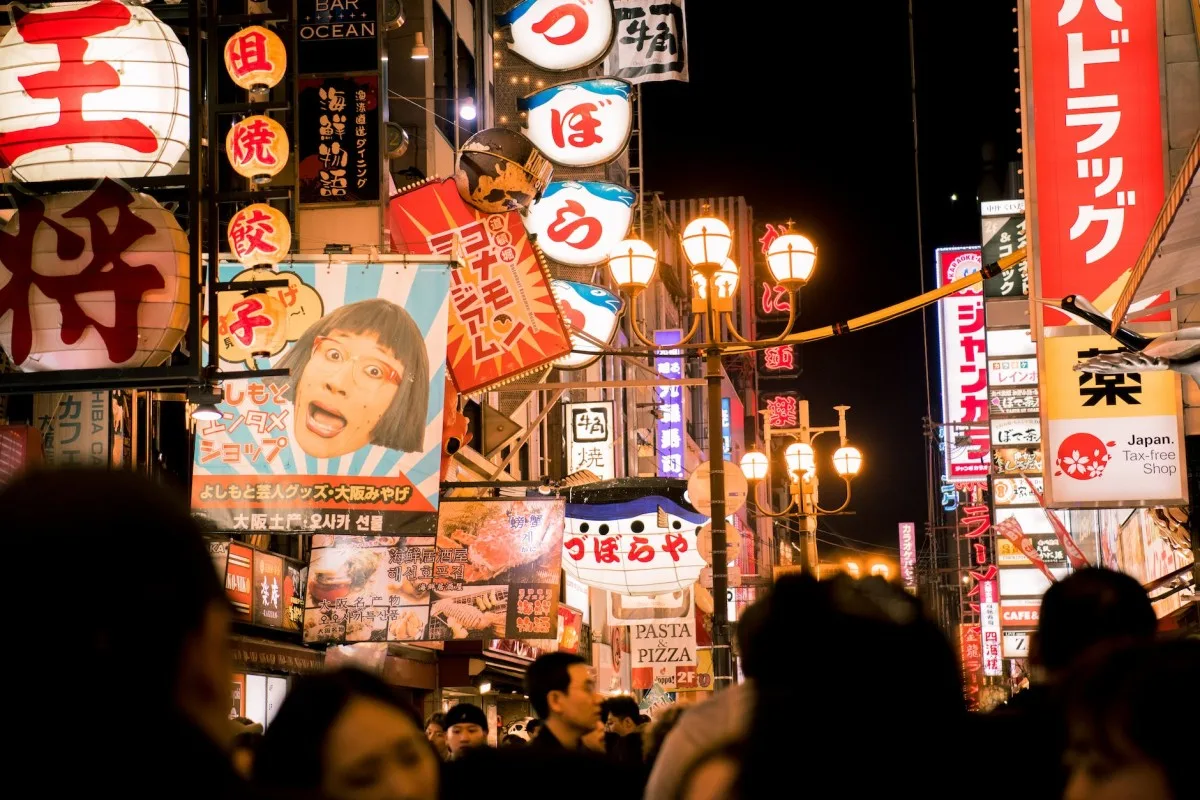
Many stores in the area also lean into crane games, trading cards, model kits, and second-hand finds, so it is a fun place to browse even when you are not looking for one exact franchise. If claw machines are part of the plan, our article about UFO Catcher machines helps before you start feeding coins into them.
3. Ikebukuro for character shops, Otome Road, and a different Tokyo crowd
Ikebukuro is often the better fit for people who like anime shopping but do not love the feel of Akihabara. The area around Sunshine City and Otome Road is packed with stores, cafés, collab spaces, and character goods, yet the atmosphere is less about electronics and more about fandom browsing.
This is also one of the key neighborhoods for fans looking for merchandise aimed at female audiences, voice actor goods, manga, doujin culture, and store floors organized around current series. Even if that is not your niche, Ikebukuro still rewards a visit because it balances major chains with enough side streets to keep the day interesting.
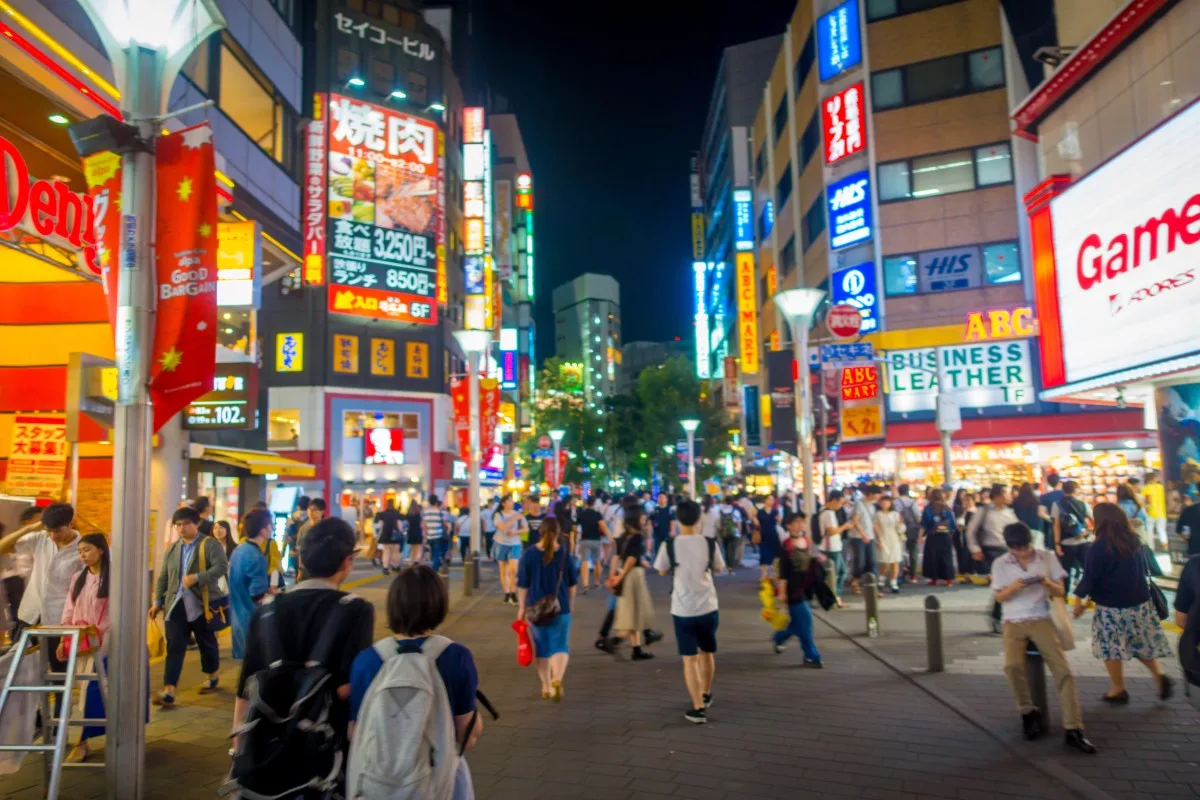
If Akihabara feels like a giant toolbox, Ikebukuro feels more curated. You go there when you want anime shopping, but you also want department stores, cafés, and a neighborhood that stays pleasant even when you take a break from merchandise hunting.
4. Nakano for second-hand treasures and harder-to-find items
Nakano Broadway is where many collectors head when they are done with the obvious shelves. Instead of betting everything on brand-new stock, Nakano is stronger for used goods, older merchandise, rarer figures, vintage toys, art books, retro games, and the kind of item that disappeared from regular stores years ago.
That makes it one of the most rewarding areas for people who actually enjoy the search. You may not buy something in the first ten minutes, but the district is full of specialized corners where one shop focuses on idols, another on classic manga, another on old game hardware, and another on second-hand collectibles that never show up in generic tourist lists.
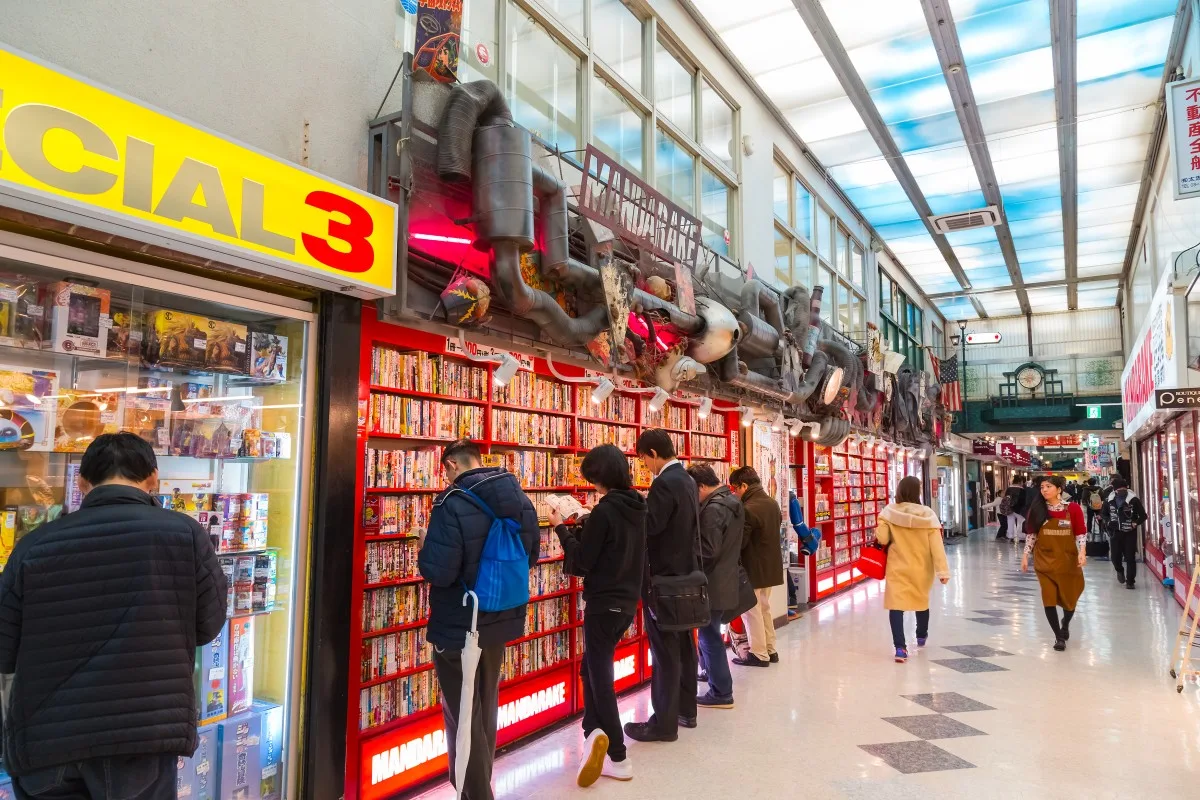
It is also one of the best neighborhoods to understand how broad otaku culture really is, because the shelves go far beyond mainstream anime. If you are curious about fan-made works and collector language, our guide to doujinshi gives useful context before you go.
5. Harajuku for fashion-driven pop culture and cosplay-adjacent browsing
Harajuku is not an otaku district in the same sense as Akihabara or Nakano, so it helps to arrive with the right expectation. You come here for street fashion, youth culture, character-inspired style, quirky accessory shops, themed sweets, and the visual side of Tokyo pop culture that overlaps with anime and cosplay rather than replacing them.
That difference is exactly why Harajuku deserves a place on this list. If your idea of anime culture includes the aesthetics around it such as kawaii fashion, decora, colorful boutiques, and the kinds of looks that regularly bleed into cosplay and fandom styling, Harajuku adds a side of Tokyo you will not get from rows of figure cabinets alone.
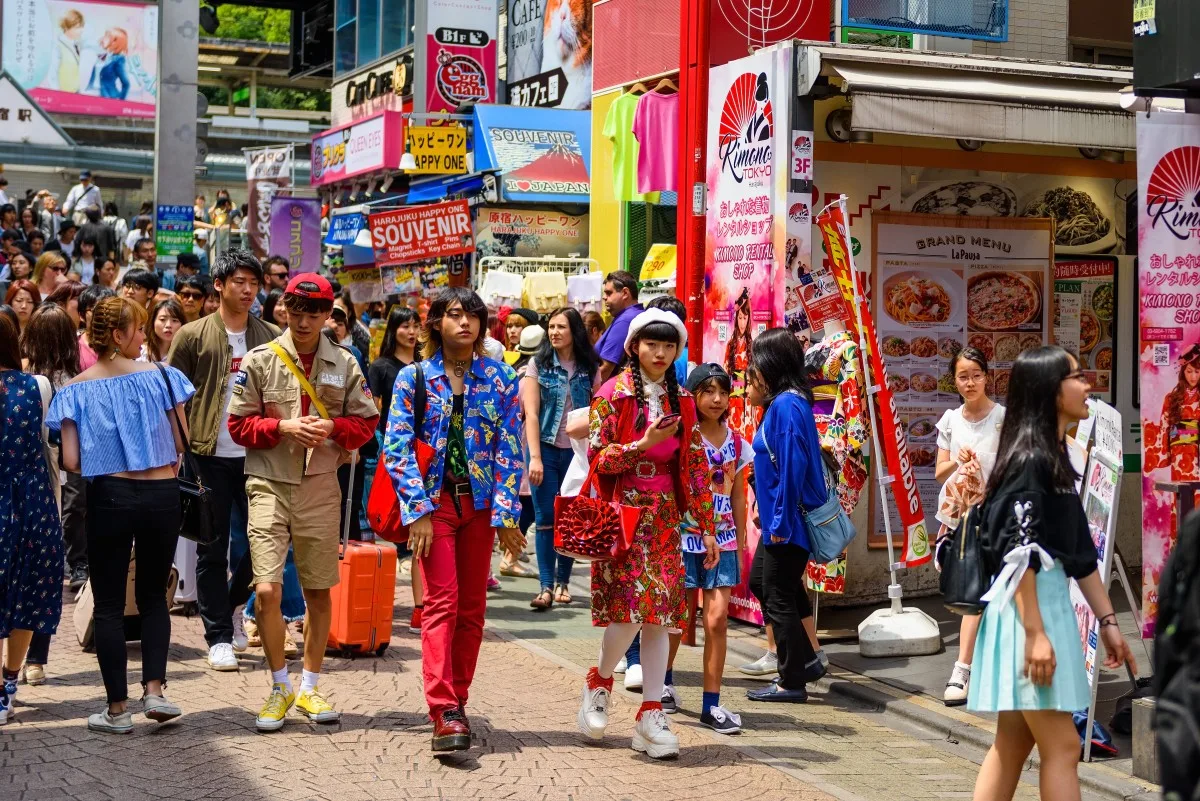
It is a good stop for a lighter afternoon between heavier shopping districts, especially if you want to walk Takeshita Street, browse accessories, and see how fashion and pop culture still mix in the area. For more on that side of Tokyo, see our article about Harajuku.
6. Nerima for animation history more than shopping volume
Nerima is the outlier on this list, and that is what makes it valuable. This is not the neighborhood you pick when your goal is to fill suitcases with merchandise. It is the place to add when you care about animation itself and want a quieter stop linked to the production side of anime culture.
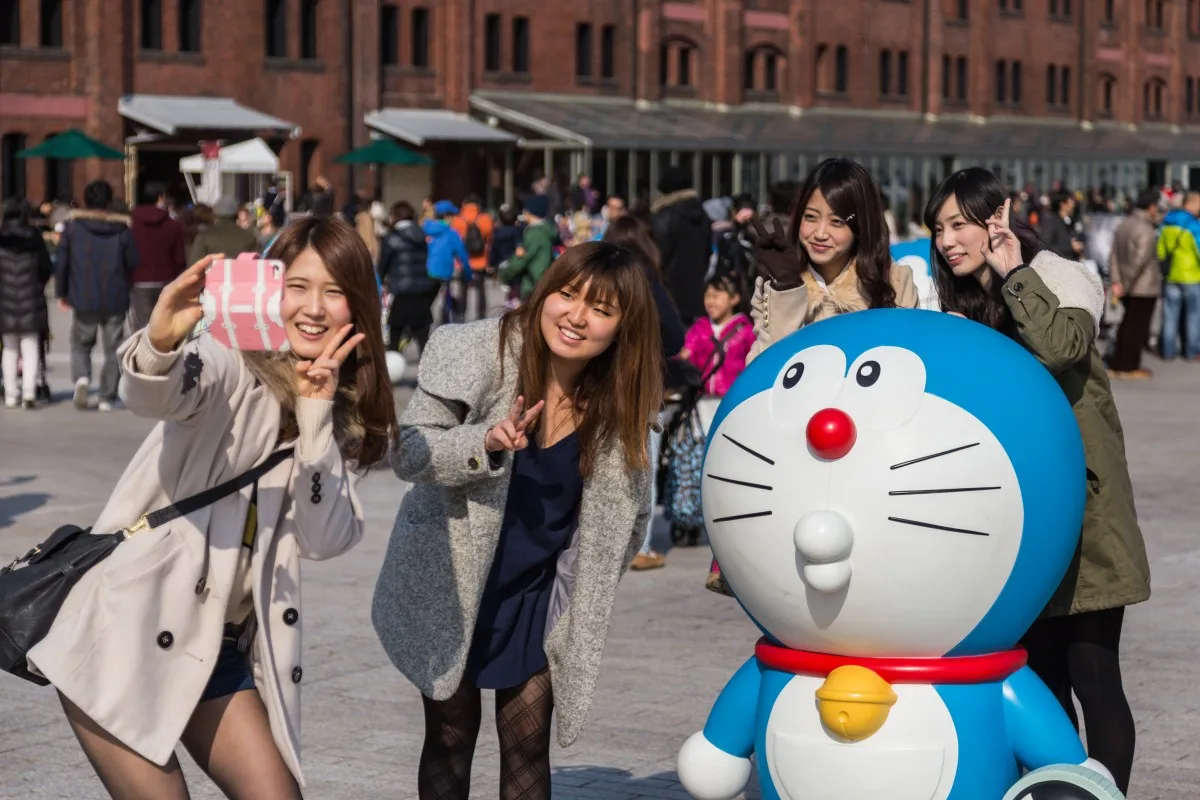
The area is associated with studio history, and the Toei Animation Museum gives it a practical reason to visit. If Akihabara shows you what fans buy, Nerima helps show where part of that industry was built. That makes it a worthwhile detour for travelers who care about the medium, not just the shopping bags.
Which otaku neighborhood should you prioritize?
If this is your first time in Japan, start with Akihabara. If you already know what you collect, Nakano or Ikebukuro may fit better. If you are staying in Kansai, make time for Nipponbashi instead of assuming everything good is in Tokyo. If you care about fashion and visual subcultures around anime, add Harajuku. If you want a quieter anime side trip with more context than commerce, put Nerima on the map.
The best itinerary usually mixes two different moods instead of repeating the same kind of store all day. Akihabara plus Harajuku, Ikebukuro plus Nakano, or Namba plus Nipponbashi all work well because each pairing shows a different face of Japanese pop culture.




Community
Comments
0 comments
There are no published comments in this language yet.
Send comment