
If you only know Tokyo Ghoul from clips, memes, or the opening song, the series can look simpler than it really is. Under the blood, masks, and shock value, it is a story about identity, appetite, social fear, and the cost of belonging to two worlds at once.
Here is the quick answer: Tokyo Ghoul became so memorable because it paired Ken Kaneki's transformation with a detailed ghoul society, a strong manga run, a divisive anime adaptation, and a franchise that kept expanding through sequels, novels, and films. The 25 facts below cover the parts that matter most.
Light spoilers ahead for the original manga, the anime, and Tokyo Ghoul:re.
Contents 5
Manga Facts That Set the Foundation
- The original manga began in Weekly Young Jump in 2011. Sui Ishida launched Tokyo Ghoul on September 8, 2011, which placed the series inside a seinen magazine rather than a shounen lineup. If you like tracing where big titles were serialized, our guide to Japanese manga publishers and magazines gives useful context for magazines like Young Jump.
- The first run ended in 14 collected volumes. The original story closed in September 2014, and that compact run is one reason many readers still recommend starting with the manga before touching the adaptations.
- Tokyo Ghoul:re started almost immediately after the original ended. The sequel began in October 2014, so the franchise never really disappeared after the first manga wrapped up.
- Viz handled the English-language manga release in North America. That helped the series spread far beyond the anime crowd and gave many readers their first easy path into Ishida's work.
- The franchise kept growing outside the main manga. Alongside the core story, it expanded with light novels, the Tokyo Ghoul [Jack] side story, art books, and later screen adaptations.
Worldbuilding Details Fans Remember
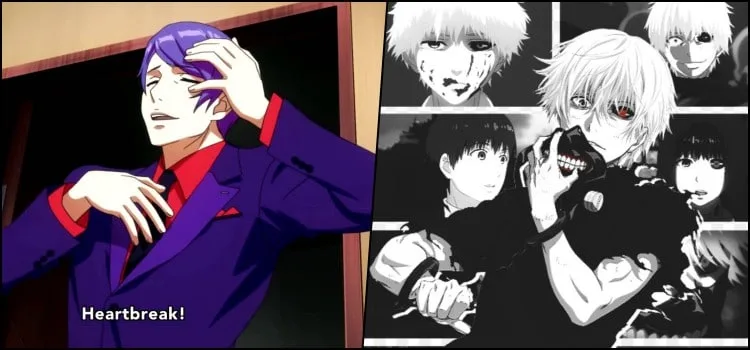
- Ken Kaneki becomes a half-ghoul after receiving Rize's organs. That surgery is still the central turning point of the entire series, because it traps him between human routine and ghoul instinct from the very beginning.
- Ghouls look human, but their diet sets them apart. They cannot survive on normal food, which is why ordinary scenes such as eating with friends become loaded with tension. Coffee is one of the few exceptions they can enjoy.
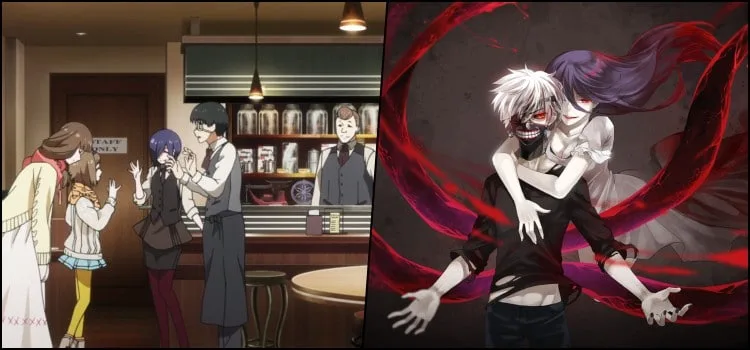
- Anteiku is more than a coffee shop. The cafe works as a refuge, a workplace, and a moral center for several characters, which is why so many early chapters feel calmer there even when the story is turning cruel outside.
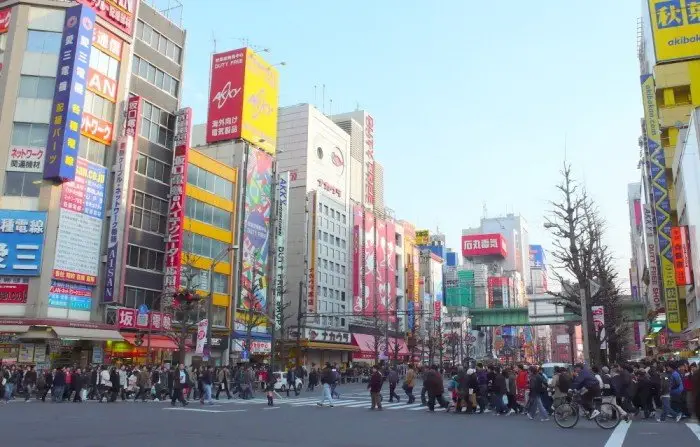
- Tokyo's wards matter to the story. The setting is not just decorative. Territory, investigation pressure, and local power struggles help define how humans and ghouls move through the city.
- The series gives kagune real structure instead of treating them like random powers. The four basic types are easy to mix up at first, so this quick table helps:
| Kagune type | General trait |
|---|---|
| Ukaku | Fast attacks, often strong at range |
| Koukaku | Heavy, durable, defense-oriented |
| Rinkaku | Powerful output and strong regeneration |
| Bikaku | Balanced style with versatile movement |
Symbols, Masks, and the Human Side of Horror
- Kaneki is usually associated with a rinkaku kagune. That detail matters because it fits his explosive growth and his ability to survive punishment that would crush many other characters.
- The kakugan became one of the franchise's clearest visual signatures. One darkened eye with the red iris instantly tells you that a character is crossing a line that ordinary humans cannot follow.
- Masks are practical, not just stylish. In Tokyo Ghoul, masks help protect identities, separate one life from another, and give each ghoul a presence that feels personal rather than generic.
- The CCG is short for Commission of Counter Ghoul. Its investigators, raids, rankings, and internal hierarchies give the series a second society to explore instead of reducing the human side to background noise.
- Quinques turn ghoul biology into anti-ghoul weapons. That idea is one of the grimmest parts of the setting because it shows how both sides feed on each other, not only physically but institutionally.
Anime and Film Facts Worth Knowing Before a Rewatch
- The first anime season aired in 2014. Even viewers who later preferred the manga usually remember that first season for how sharply it introduced Kaneki's tragedy.
- Root A is the part that split the audience most. The second season followed an original route instead of cleanly adapting the manga, which is why many fans treat it as the franchise's biggest adaptation fork.
- "Unravel" became inseparable from the series. TK from Ling tosite sigure's opening theme did not just promote the anime; it became one of the songs people still associate with dark fantasy anime as a whole.
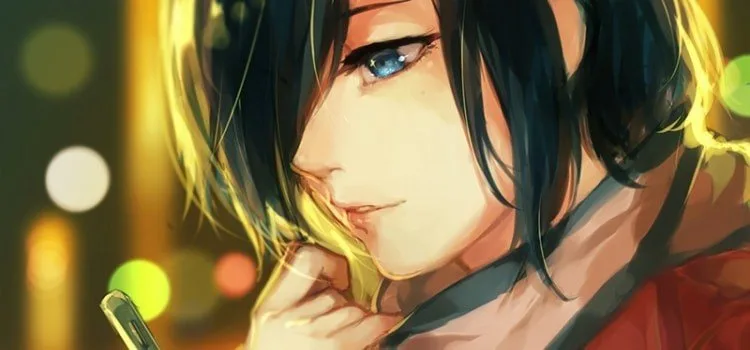
- Tokyo Ghoul:re changes the perspective in a major way. The sequel introduces Haise Sasaki and forces the story to ask new questions about memory, guilt, and whether a damaged identity can ever be rebuilt.
- The live-action adaptation arrived in Japanese theaters on July 29, 2017. A second film, Tokyo Ghoul S, followed in 2019, which shows how durable the property remained well after the first anime wave.
Why the Series Still Has a Hold on Fans
- Tokyo Ghoul [Jack] gave extra weight to Kishou Arima. For readers who wanted more of the investigator side, the prequel helped widen the world without feeling like filler.
- The franchise also used novels to slow the pace down. Entries such as Days, Void, and Past gave more room to everyday moods and side characters that the main plot could only touch briefly.
- The original manga and Tokyo Ghoul:re passed 47 million copies in circulation by January 2021. That number helps explain why the brand still shows up in recommendation lists, retrospectives, and newcomer watch guides.
- The story works because the horror is emotional, not only visual. The gore gets attention, but what usually stays with readers is Kaneki's fear of hurting people, losing language for himself, or being claimed by a side he never chose.
- That mix of tragedy, style, and social tension is why the series keeps being rediscovered. You can come to Tokyo Ghoul for monsters, action, or atmosphere, but the reason many people stay is that the story keeps asking what a person becomes when survival and identity stop agreeing with each other.
If you plan to revisit the series, the best route is usually simple: read the original manga first, then compare how the anime handled the same material. That order makes the differences in pacing, character focus, and later reveals much easier to notice.
For many fans, that comparison is exactly where Tokyo Ghoul becomes more interesting. It stops being just a dark hit from the 2010s and starts feeling like a case study in how one story can change across manga, television, and film.


Community
Comments
0 comments
There are no published comments in this language yet.
Send comment