
Do you know what a cliché is? The term is used to describe something that has become very predictable, worn out, or has lost its original meaning. Anime is full of repetitive clichés. In this article, we try to put together a complete list of the most common ones.
There are so many clichés that it's easy to lose track while trying to remember them all. I hope this list shows you tropes you didn't even know existed. Some are obvious, others are easy to miss.
Contents 4
The main anime clichés
Running to school – Many anime scenes show characters running as if they were in a marathon. This happens especially in openings. Not to mention the classic shot of them rushing late to class with a piece of bread in their mouth.
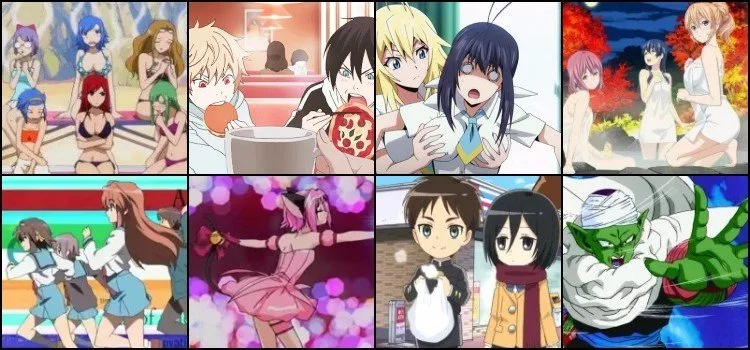
Food obsession – Loads of characters eat non-stop or gulp everything in one bite. One of the big exceptions is Luffy from One Piece.
The ominous sound of cicadas – In most summer animes, you keep hearing the unsettling chirping of cicadas. I went to Japan in summer and personally heard a lot less of it than animes would suggest.
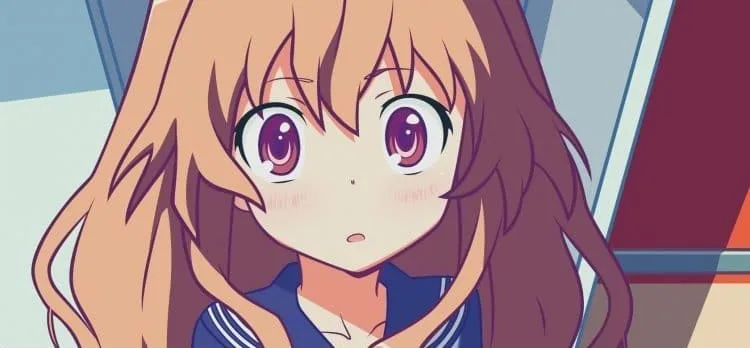
Tsundere – There almost always has to be a tsundere or a deredere in any given anime. A mandatory cliché in the medium.
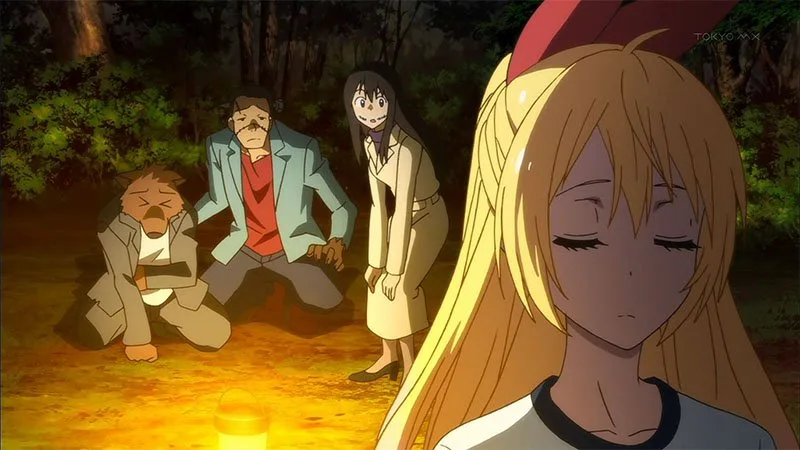
The protagonist has no parents – When they aren't already dead, the author was probably just too lazy to add relatives to the main character.
The villains turn good – In most shonen animes, an antagonist ends up being redeemed in the end. I think this is tied to Japanese culture, where harmony is highly valued. In Western works, this kind of resolution is much rarer.
Filler episodes – Most long-running animes eventually insert an unnecessary episode just to fill the schedule.
Clichés involving fanservice
Many of the most common anime clichés are designed to trigger the impulses of younger viewers. That is why animes contain so much fanservice. Some examples:
Girls with absurdly large breasts – There is rarely a need to draw breasts bigger than the body itself. It's already plenty that most anime girls are extremely busty.
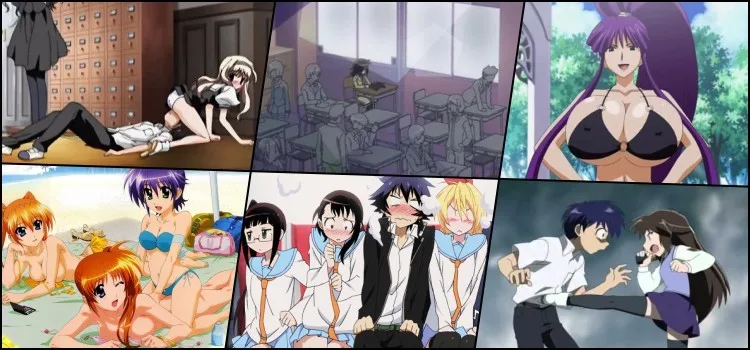
Groping breasts – Apparently, it is common among Japanese female friends to grope each other's breasts. I have never seen it in real life, but in anime it happens all the time.
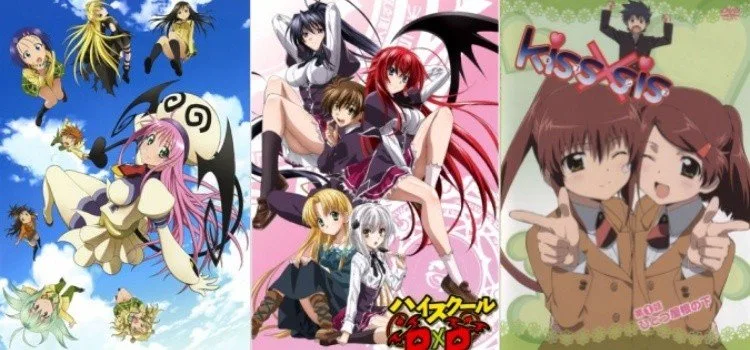
Harem – Most harem animes revolve around several girls being in love with the protagonist, and most of the time he ends up with no one.
Nosebleed – One of the most recognisable anime clichés: characters get a sudden nosebleed just from seeing a lightly dressed or sensually posed woman. (We recommend reading our dedicated article on nosebleeds.)
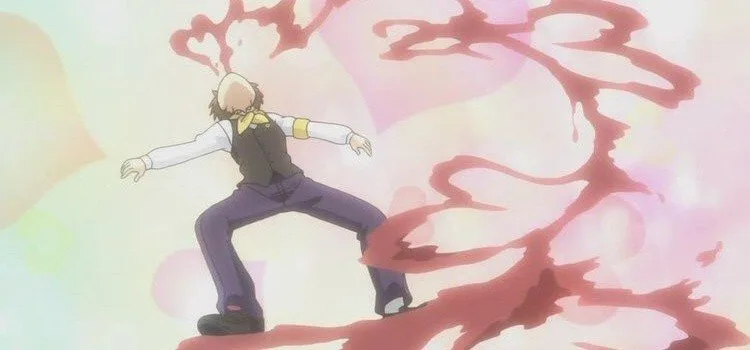
Beach episode – Every anime seems to need a beach episode to round out the fanservice tradition.
Attacks out of nowhere – Girls punch or kick the protagonist so hard that he flies 500 metres and his soul literally leaves his body. This usually happens for no real reason – just because he caught a glimpse of panties or accidentally groped a girl's breast. Meanwhile, when a girl shows up naked in front of him, he somehow never gets hit …
Hot spring episode – Equally obligatory: episodes in hot springs where a boy accidentally walks into the women's bath or hears inappropriate things through the wall.
Also read: Onsen – natural hot springs of Japan
Clichés involving fights
Thinking the enemy is dead when he obviously isn't – It's usually quite clear to the audience that the villain isn't really dead. How can the heroes be that dumb?
Talking while fighting – Some dialogues are as long as the fight itself; the villain always delivers a monologue.
Shouting the name of the attack – Characters waste precious seconds yelling out the name of every single technique they use.
Shouting to power up – It's not enough to just call out the name of the attack – they have to scream on top of that.
The more you glow, the stronger you are – A basic rule of shonen animes: when a character is powering up, they start glowing.
The list of anime clichés continues
I will keep listing more, because this list will never end. Many of the clichés below have been flagged by anime fans who keep noticing similar patterns across most series – even when some of them don't quite make sense.
- Characters are constantly sad.
- Courage tests.
- Excessively sweet characters.
- Character with a dark past.
- Fights that drag on for ten episodes.
- Japanese food always shown as unbelievably delicious.
- Character that looks like a girl but isn't.
- Exaggerated facial expressions.
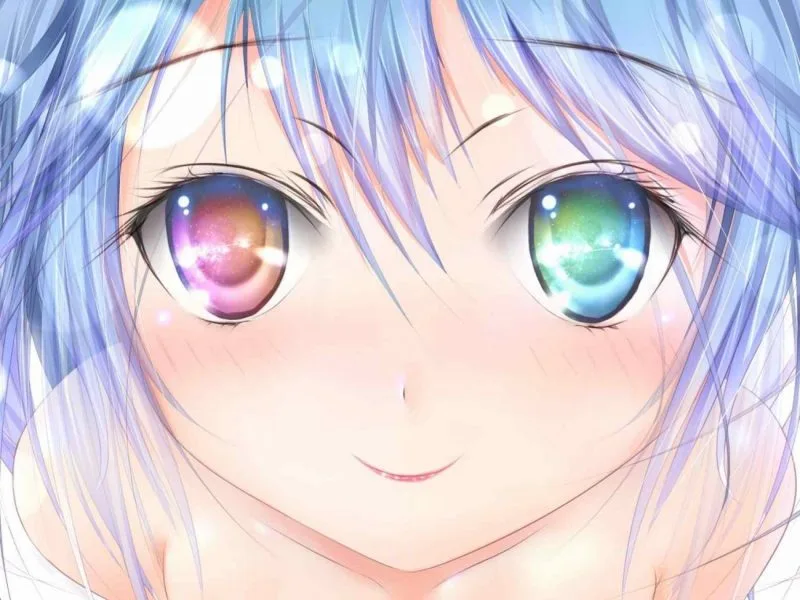
- Heterochromatic eyes.
- Lewd or perverted character archetypes.
- The main character is unremarkable.
- The main character is normal – tries to be different, but ends up generic.
- The villain kills a lot of people and is still forgiven.
- Mahou Shoujo (魔法少女) – magical girl genre.
- Moe characters.
- Sexualised depictions of young girls.
- Lolis.
- Maids – girls dressed up as maids.
- Series always running for 12 or 25 episodes.
- Exposed breasts.
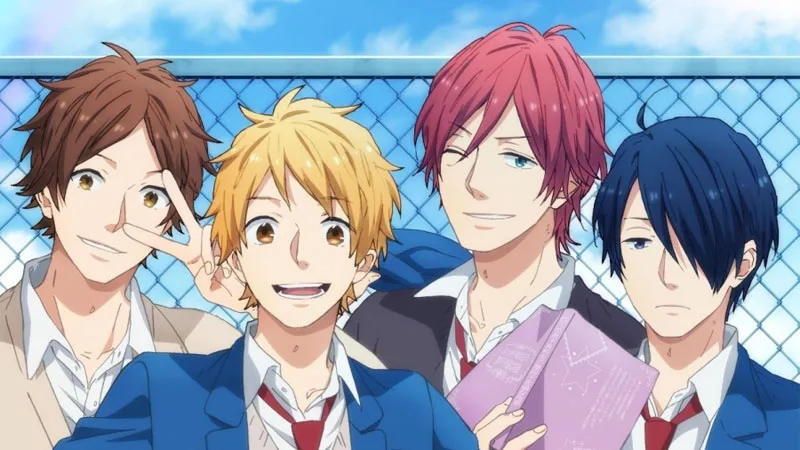
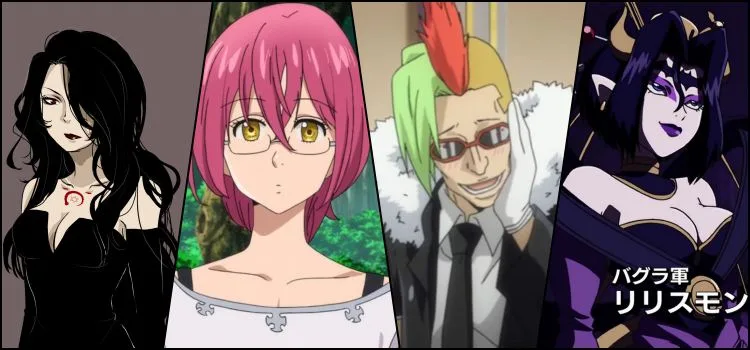
- Brightly coloured or multi-coloured hair.
- Ridiculous hairstyles.
- Badass overpowered character.
- Senpai.
- The absent father.
- Giant mecha robots.
- Half-human, half-animal characters.
- The protagonist escapes death.
- Breasts that defy gravity.
- Fanservice OVAs.
- Blue school swimsuits, sukumizu.
- Traumatic childhood.
- Favourite characters die.
- Teenagers as protagonists.
- Characters that use repetitive English or slang phrases.
- Immortal characters.
- Summer festivals.
- Freeze-frame to deliver an effect.
- Overly energetic girls.
- Annoying side characters.
- The main character always sits by the window at school.
- Childhood friend that keeps showing up.
- Characters sent to another dimension or world.
- Transformation scenes.
- Talking to animals.
- You are the chosen one.
- Chibis.
- Girls always fall for shy, quiet guys.
- The protagonist's best friend is a pervert.
- An extremely lewd girl that everyone mistakes for innocent.
- Foreigners speaking with strange accents.
- Characters with illnesses; ugly teachers or hot teachers.
- Characters captured by the enemy.
- Characters sent to a special school.
- Flash of underwear.
- Excessively muscular characters.
- Sad scenes in the rain.
- Fireflies.
- Secret identities.
- Winter episodes (Christmas and New Year).
I hope you enjoyed this list. Do you know other clichés that weren't mentioned in this article? We always appreciate comments and shares. xD

Community
Comments
0 comments
There are no published comments in this language yet.
Send comment