
People have always had the habit of defining entire nations with a single label. Some see the Japanese as polite, humble, and kind, while others find them reserved, shy, or even antisocial.
The reality is far more diverse. Japan is a country with a remarkable variety of personalities, and its people cannot be reduced to a single stereotype. In this article, we will explore eleven different types of Japanese people you may come across in Japan, from the most extroverted and sociable to the most reserved and introspective. Each one adds a piece to a more complete and realistic picture of contemporary Japan.
Contents 11
The helpful Japanese ("Helpful Hito")
In English, this type is called the Helpful Hito: the word hito (人) simply means "person". This kind of Japanese person does their best to help foreigners, especially tourists, eager to make sure your impressions of Japan are positive.
If you have lived in Japan for a while, you have probably noticed that looking lost in public often attracts a Japanese passerby who is happy to help. They will ask if you are lost or need to find an address, and the most attentive among them will go as far as walking you to the train station, the bus stop, or helping you read a restaurant menu.
The king of free time
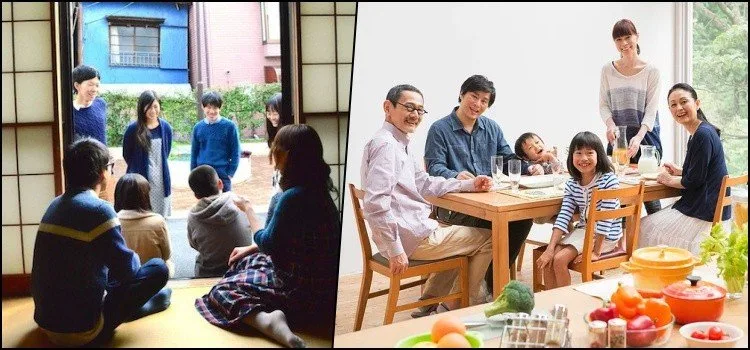
Many foreigners think the Japanese work themselves to death. The truth is that lazy, idle, and carefree Japanese can be found everywhere, sometimes with messy or dyed hair, wandering around with no apparent purpose. Some work in low-effort businesses, others don't work at all, and a few manage to make good money without trying too hard.
They travel around Japan and the world. Take a walk in the middle of the week and you will find plenty of people who should be working but are instead enjoying parks and tourist spots. Add the students skipping class, some of whom even sleep in the classroom.
A different case is hikikomori. Japanese health guidelines describe people who stay away from school, work, and almost all contact outside the home for six months or more. Fear of society can be part of that withdrawal.
The Gaijin Hunter
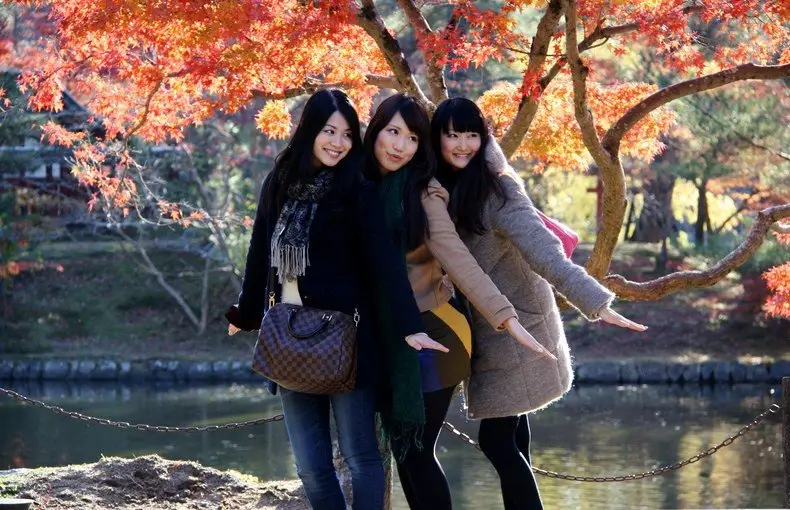
Many foreigners have met the Gaijin Hunter, and there are several subtypes. Some seem generous and attentive, but there is always an underlying interest. It can be hard to tell them apart, since Japanese people are naturally polite and considerate.
Many Gaijin Hunters are women who look for a foreign partner, either to show off as a trophy, to marry, or to leave the country. The mere fact of being a foreigner makes you stand out, which makes it really hard to distinguish genuine interest from infatuation.
There is nothing wrong with wanting to marry a foreigner. Many readers of our site are looking for exactly that, along with the spouse visa. For some, the hunter ends up becoming the prey.
The big problem is that the hunter usually does not care about your culture, your tastes, or your personality. The interest can evaporate in a heartbeat if the relationship is not cultivated. Anyone who has lived in Japan long enough can spot one with their "spider-sense".

The pervert
By nature, the Japanese tend to avoid sexual slang and explicit topics in public, far more than in Brazil. Still, a short walk through some neighborhoods reveals a thousand quirky things: posters of risqué cartoons, shops full of erotic products, and countless other hints of the human side of things.
Some go too far with anime characters, buying related products such as dolls and pillows. Others go as far as stealing underwear, following schoolgirls on the street to take photos, or peeking into changing rooms. Women are not spared either: some deliberately expose themselves on the train.
There are also the famous "old men" known as ero oyaji (perverted old man) who engage in stalking. Usually scruffy, they approach young women on the street with all kinds of proposals. When that fails, they turn to hostess bars, arranged dates, or worse.
Shy and antisocial
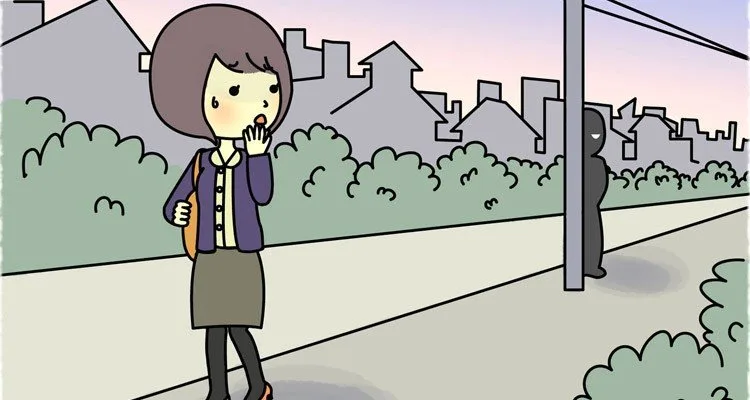
This is widespread. Most Japanese people carry a bit of shyness. It is part of why a large share of the population is single, often relating through dating apps. Many struggle to express simple feelings or gratitude, even to an innocent acquaintance.
Others seem perfectly normal but avoid contact for fear of saying the wrong thing or not being helpful. That is also why some Japanese avoid foreigners on the train, sometimes out of fear that a conversation might start in a language they do not master.
Shyness can tip into full-blown antisocial behavior, making it hard for people to fit into school or the workplace. Some are bullied, and a few unfortunately end up taking their own lives.
The "suicide robot"
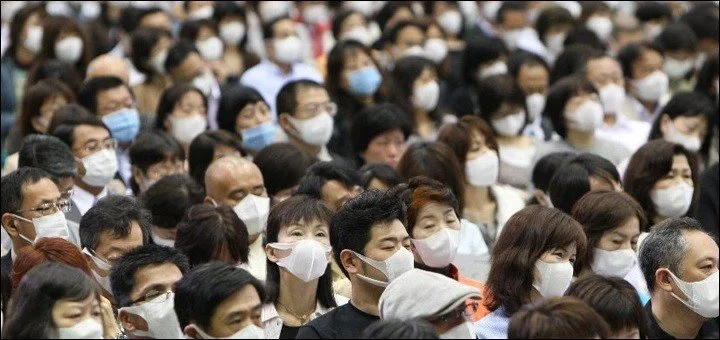
Some Japanese people have no real opinion of their own, follow orders to the letter, and work overtime to earn money they will never get to enjoy. A few work themselves so hard that they collapse or take their own lives, which is why the harsh nickname "suicide robot" exists. Japanese labor discussion names the physical deaths karōshi (過労死) and the suicides tied to overwork karōjisatsu (過労自殺).
The nickname "robot" comes from how they follow orders at school, in the office, and even at home. They cannot contradict anyone, and they tend to overdo tasks that do not need overdoing. Some students pour themselves into entrance exams only to fail and spiral downward. A longer look at why so many Japanese people work overtime sits behind this type.
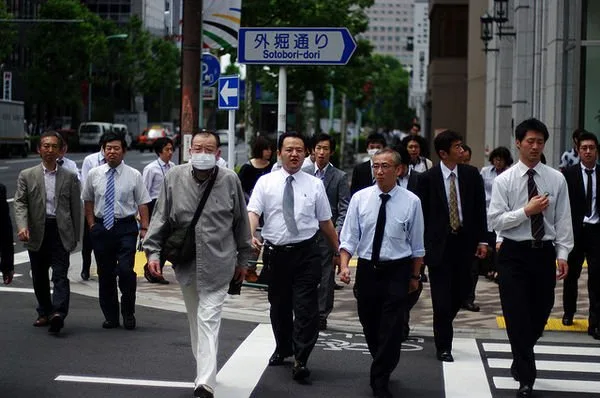
Most "robot" Japanese look perfectly ordinary: calm, modest, and pale. They spend the day working, eating instant ramen, and pursuing some hobby. They are often anxious and unable to push back against rules, face adversity, or create something genuinely new.
The international ninja
Many Japanese are extremely discreet and do not talk about their personal lives. They work with you, chat with you, become your friends, and at the end you know almost nothing about them. Despite their reserve, they are as common in Japan as miso soup.
Then, one day, an interesting fact pops out that you had no idea about. Sometimes your Japanese colleague speaks fluent English or Portuguese, and you only find out months later, when the opportunity finally arises.
These "ninjas" hide their skills for various reasons. The Japanese do not like to draw attention or boast. Unless you ask, you will never know what they are truly capable of until the right moment comes. There are many quiet secrets floating around.

The aspiring Westerner
It is wonderful to meet Japanese people genuinely interested in other countries and cultures, especially when it is your own. Learning a second language, traveling, broadening horizons: these are amazing things to encourage. But some take it too far and try to become "Westerners".
These people get on a high horse, decide Japan is awful, and spend all their time in international bars (where they sometimes also become Gaijin Hunters). They complain about how rigid and inflexible Japanese society is, refuse to speak Japanese with you, and only want to talk about where you came from.
Some really do not fit the culture they were born into, but their attitude can be exhausting. The same can be said of foreigners who idolize Japan and criticize everything back home. This kind of mutual one-upmanship gets old fast.

The English vampire
Whether you speak Portuguese or even Japanese, the English vampire will always show up to "suck your blood". They approach foreigners solely to practice their English. Some are disappointed when you cannot hold a conversation in English.
Others believe every Western foreigner has a duty to speak English, and will insist on replying in English even when you speak Japanese. The English vampire is usually a sub-type of the Aspiring Westerner. They rarely understand that not everyone wants to chat in English.
Fortunately, you do not have to do much talking. Most of them happily chatter about their personal life, age, hobbies, and travels while you simply listen. Whether you know English or not, expect to meet them in shops and on the street.

The foreigner reminder
It is inevitable: sooner or later, some Japanese person will remind you that you are a foreigner. Some will insist on replying in English, others gossip and exclude you from the conversation, and a few will even hand you a fork and knife at a restaurant, assuming you do not know how to use chopsticks.
Often, these reminders come in the best of intentions. People think they are making things easier for the visitor by offering alternatives to the local custom. If you mention being Brazilian, sooner or later the names Neymar, football, samba, and Rio de Janeiro come up.

The prejudiced one
This is the extreme form of the "foreigner reminder". Most are older factory uncles who do not like seeing their country "overrun" by foreigners. Some insult you, gossip behind your back, exclude you, and show no respect. They ask things like "Why are you here? Why don't you go back to your country?"
Many Brazilians have had bad experiences with this kind of Japanese person. They are a minority, but a loud one. The best thing to do is to keep your distance, ignore what they say, and avoid catching their disease: do not let their prejudice turn into yours. A longer look at how xenophobia and prejudice show up in Japan helps separate a rude factory uncle from the rest of the day.
These eleven types overlap, and the same person can look helpful at a station and exhausting at a bar. The list is a set of encounters, not a census of the country. Once you can name the behavior, it gets easier to accept the help, skip the hunt, and walk away from the ones who only see a passport.




Community
Comments
0 comments
There are no published comments in this language yet.
Send comment