
The topic of homosexuality has been debated at length on the internet and in the media. In recent years, many gay and lesbian people have managed to take their place in society and to claim their right to be treated equally and free of prejudice. But how are gay people treated in Japan? Is there prejudice against them? What do the media and more traditional segments of society think about all this?
Because the subject is quite delicate, I have, in earlier versions, occasionally used terms and expressions that made some readers upset. This article is the result of extensive research into the situation in Japan. I hope you find it useful. I am against prejudice, and I believe that everyone should be free to live their own life, and our duty is to respect that. Unfortunately, respect has been lost in some places.

I see a lot of unnecessary conflict between gay people and religious people. The Bible is clear on homosexuality, but it also speaks of free will, love and respect – which many religious people are forgetting. There is even a certain hypocrisy in this, because the same biblical text that condemns homosexuality also condemns premarital sex and adultery, practices that are very common in the general population, and I do not see religious people showing the same level of prejudice against those. But that is not the focus of this article. [Back to the topic] What does Buddhism think about this? What about Shinto? What do the predominant religions of Japan, and Christians in Japan, think? These are some of the questions we will address in this long article.
Contents 4
What do Japan's religions think?
Traditional Japanese religion contains no explicit prohibition of homosexuality. Japan's oldest religion, Shinto, has no records that either approve or condemn the practice. In fact, Shinto is quite open and does not dictate how people should behave in their sexual lives. In Shinto, sex precedes the birth of the nation and its people; even the origin of Japan, according to Shinto belief, comes from a sexual union.
In Buddhism, sex is associated with desire. In the past, no practising Buddhist – especially monks and priests – was allowed to engage in any conduct involving sex, whether heterosexual or homosexual. For a long time, Buddhism considered heterosexual activity more offensive, because women were regarded as impure by nature. In fact, there are many historical accounts of homosexuality within Buddhism. The isolation of monasteries probably encouraged the development of a homosexual culture among monks and Buddhist priests.
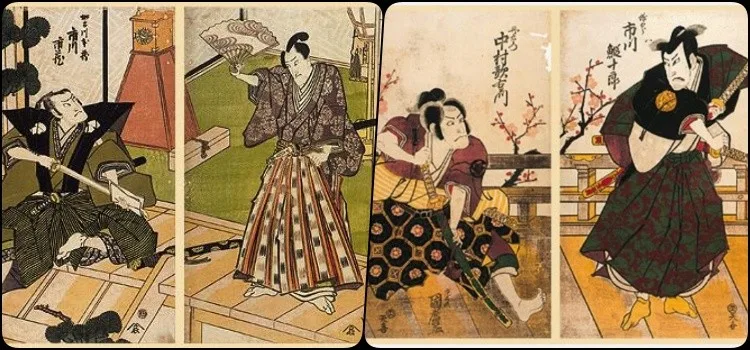
There was a tradition called wakashudō, in which samurai made vows of commitment and built a close relationship with their apprentices. Although it did not revolve around sex, historical records clearly show homosexual relations between samurai, monks and men of the upper class. Within the wakashudō, the fraternal bond allowed certain «favours» as part of the teaching of bushidō. The belief was that women stole a warrior's energy and distracted him from his calling.
Lesbianism receives very little literary mention, but there are records from the Edo period. Although Buddhism strongly influenced homosexual culture in Japan, Western influence has, to some extent, obscured that earlier acceptance.
How does Japan view homosexuality?
Acceptance today is greater than in many other countries, but Westernisation has also created some prejudice in parts of Japanese society. Japan is much more open to behaviour than to practice. We can see that in subcultures such as crossdressers and in the general demeanour of many Japanese, whether in fashion or in personal style. There is no strong concept of machismo in Japan; it is perfectly normal for heterosexual men to have habits and behaviours that in some Western countries would be seen as feminine or gay.
Same-sex marriage is not yet legal nationwide in Japan; it was first introduced in Tokyo's Shibuya ward in 2017. However, Japan does recognise same-sex marriages performed abroad. Sexual orientation is not explicitly protected by national civil rights laws, which means that LGBT (lesbian, gay, bisexual and transgender) people in Japan have very limited legal recourse when they face discrimination in areas such as employment, education, housing, healthcare or banking.

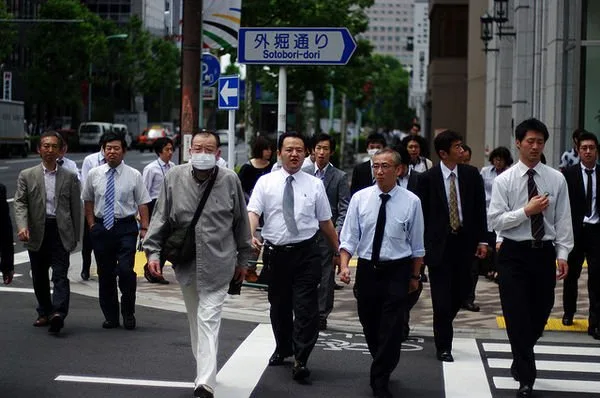
The Japanese do not have a particular problem with homosexuality, partly because even heterosexual couples do not show much affection in public. Reserve is part of Japanese culture. While in the West many gay people stand out and live openly, the Japanese generally remain reserved; most people do not know each other's sexual orientation, and behaviour alone does not define anyone.
In Japan, those who stand out for being different from social norms are subject to criticism, social exclusion and discrimination. Not because the person is homosexual, but simply because they are «different». This is somewhat paradoxical, because Japan is known for embracing the most varied and unique people in the world – in personality, fashion, customs and so on. Some are critical of difference, while others simply do not interfere in other people's lives, often finding it interesting. We can draw some parallels between aspects of homophobia and prejudice against foreigners in Japan.
Homosexuality in Japanese media
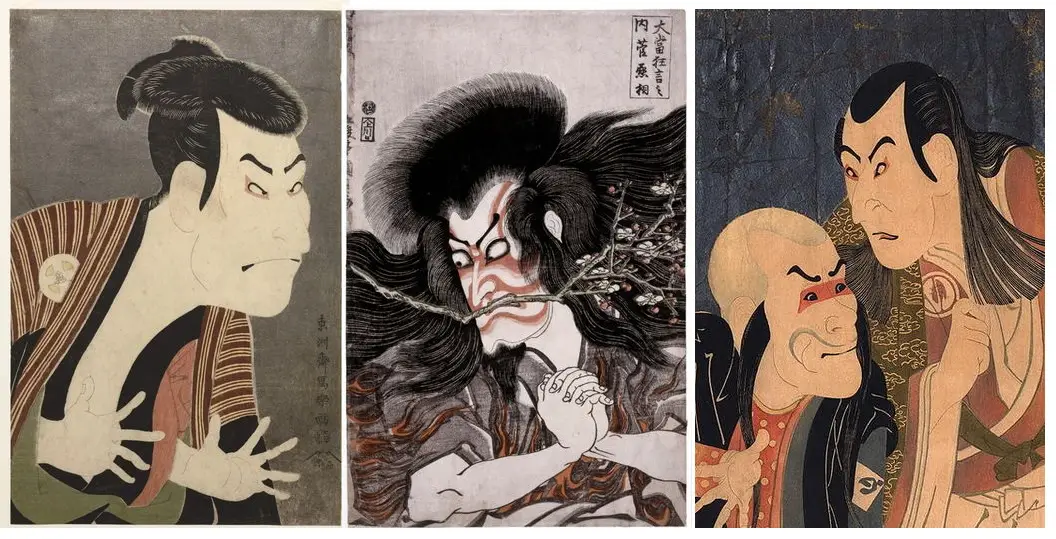
Historically, the Japanese have shown that they are not particularly concerned with people's sexual orientation or private lives. This is evident not only in records about monks and samurai, but also in the arts: Kabuki theatre, for example, is renowned for its male actors performing female roles through dance, music and dramatic staging.
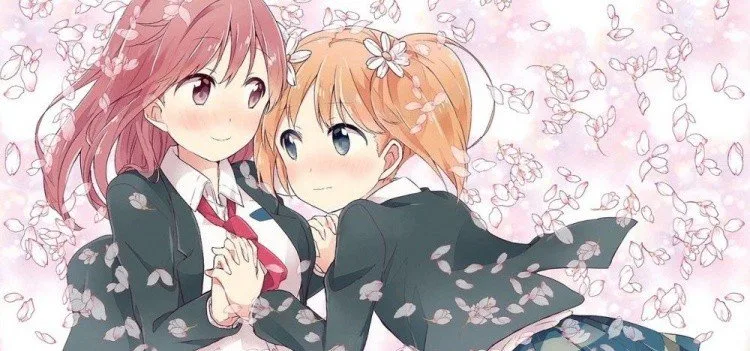
In anime and manga, we still often encounter characters who appear to be homosexual. Frequently this is not made explicit, because romantic relationships in anime tend to develop slowly. In addition, there are many manga, light novels and anime with explicitly homosexual themes that are popular both in Japan and internationally – for example the yaoi and yuri genres.
It is also relatively common for anime characters to appear in women's clothing – either for comedic effect or to portray a subculture of people who simply enjoy dressing femininely, without that automatically implying same-sex attraction. These characters are often labelled as trap or femboy.
Some corporate positions in Japan are preferentially given to married people, which is why many Japanese try to marry before turning 30. This is an additional hurdle gay people may face when trying to climb the corporate ladder.
Japan can be a good option for people who want to live openly, or who are afraid of discrimination, because there is no rigid idea of how a person should behave. What is your opinion on this subject?
Is there homophobia in Japan?
The body of this article already answers that question in some detail by looking at how Japan views homosexuality. For an additional perspective, my friend has a video on the subject that complements this overview.





Community
Comments
0 comments
There are no published comments in this language yet.
Send comment