
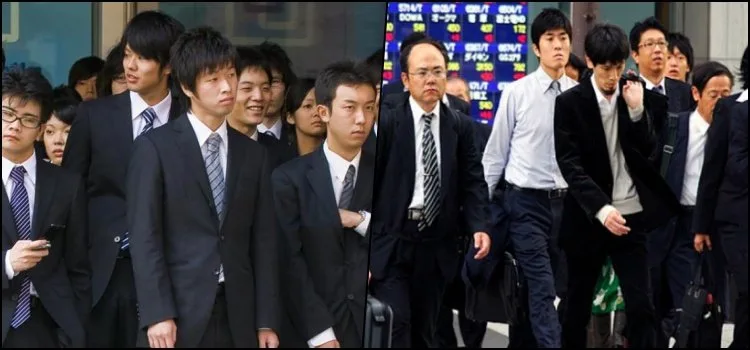
Many people see the high suicide rate, the long working hours, and other stereotypes of Japanese culture and conclude that the country is a deeply unhappy one. I myself have heard more than once that the Japanese are sad. Is that really true? In this article we will look at the topic a little more carefully and understand some of the factors behind the image of "unhappy Japan".
Imagine working ten hours a day, spending hours inside packed trains, and eating bento boxes or instant noodles every day. This is far from rare in Japan, especially in the big cities. Getting a promotion or a raise is rare. In some ways, it is not so different from life in São Paulo or any other large metropolis.
And what is fun, then? Many people spend their train rides scrolling on their phones or watching videos; others go to karaoke alone every week. Face-to-face social interaction is low, and even texting is rare. At home, they end up sleeping or browsing the internet most of the time. How can anyone be happy with a routine like this?
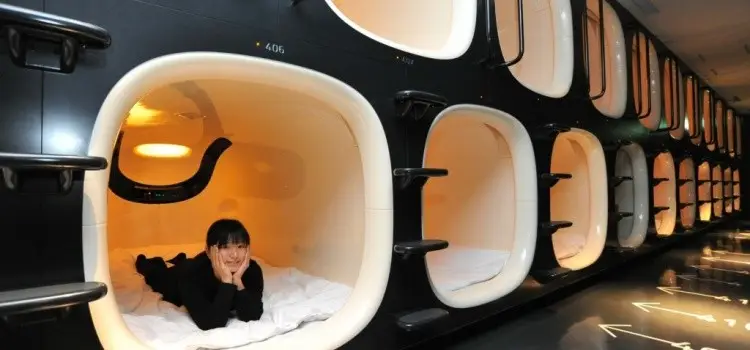
It is ironic, because Japan offers an enormous range of food, leisure, tourism, and small pleasures that can fill any void. Even so, many people still choose a lifestyle entirely focused on work and money. This is a common pattern, but it cannot be taken as the whole truth for a country of about 123 million people.
Contents 3
What causes unhappiness in Japan?
A demanding and repetitive routine really does wear people down, and can lead to depression, a problem that is growing worldwide. Many Japanese find it hard to socialize, sometimes out of shyness, sometimes out of a strong sense of independence, and they rarely open up to strangers.
Being reserved is human, and people with this temperament exist in every country. The big difference in Japan is that going to a psychologist or psychiatrist is still not part of the everyday culture. Having someone who will simply listen is always helpful, and unfortunately some Japanese never have that person.

Social stigmas are powerful in nearly every area of Japanese life. The cultural pressure not to make mistakes is enormous, and that pressure alone can generate deep unhappiness. In some cases, tragically, it pushes people to the worst possible outcome. These cultural and structural factors often worsen the state of people who were already overwhelmed and stressed. Social pressure in Japan sits behind a lot of that silence.
In school, children are encouraged to always do their best, to be number one; otherwise they are seen as failures. Boys as young as 12 already show signs of anxiety because they are terrified of failing exams. Japanese society has long equated status and material success with personal worth, and we know that this does not, in itself, bring real happiness.
Understanding the happiness ranking
According to the World Happiness Report 2026, Japan sits in 61st place, with an average life evaluation of 6.13 out of 10. Brazil, despite all its well-known crises and insecurity issues, ranks 32nd. Finland has been first for nine years running. These positions need to be read with care.
If you look at the indicators below, you will notice that Japan still lags badly in the "Dystopia" residual, the leftover that the six measured factors do not explain. Japan scores well on healthy life expectancy and income, yet people rate their own lives lower than those numbers would predict. The math is a little confusing, but the point is that single numbers rarely tell the whole story.
| Pos | Country | Pts | GDP | Social Support | Life Expectancy | Freedom | Generosity | Trust | Dystopia |
|---|---|---|---|---|---|---|---|---|---|
| 1 | Finland | 7.76 | 1.915 | 1.638 | 0.939 | 1.105 | 0.093 | 0.491 | 1.582 |
| 32 | Brazil | 6.63 | 1.602 | 1.396 | 0.508 | 0.964 | 0.081 | 0.122 | 1.960 |
| 61 | Japan | 6.13 | 1.858 | 1.414 | 1.041 | 0.875 | 0.019 | 0.202 | 0.722 |
On the indicators used, Japan performs well in many areas. Statistics only matter when put into context. Suicide deaths in Japan fell below 20,000 in 2025 for the first time since records began in 1978, with a rate of about 15.4 per 100,000. South Korea remains far higher among OECD countries. Japan has cut its suicide numbers roughly in half from the peaks of the 2000s, even as deaths among school students have stayed painfully high.
The drivers of suicide include unemployment, economic problems, and social pressure. I do not personally consider Japan's suicide rate as dramatic as the stereotype suggests: it is around 15 per 100,000 inhabitants, while the United States was about 13.7 in 2024. Brazil sits lower, around 7 to 8 in recent WHO estimates. The gap with the United States is small. Japan is constantly cited as an example, probably because dense cities make individual cases more visible than a raw ranking ever does.
Are the Japanese happy?
What is happiness, after all? Happiness is something that has to be built individually. Even with real social problems, the Japanese look for happiness in their own way: through a hobby, a sport, a game, or some personal pursuit. In Japan there are thousands of things to do to beat boredom, and alongside the people who never stop working, there are many who travel and enjoy life.
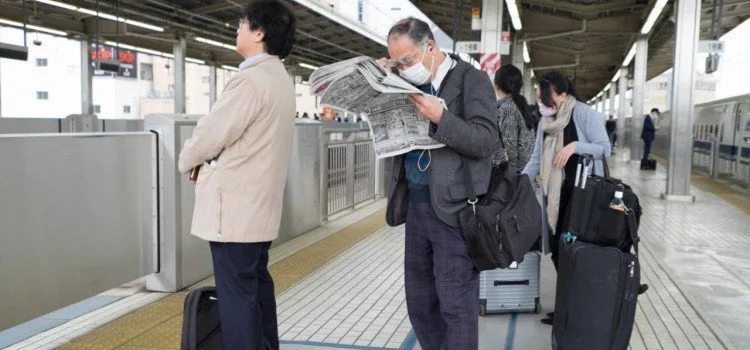
The stereotype that the Japanese are more depressed than other peoples is dated and inaccurate. Of course, there are those who push themselves too hard for nothing and end up feeling empty. Overtime culture still shapes a lot of that emptiness. But many other Japanese know exactly what they want, and it is thanks to their discipline, attention to detail, and willingness to work that Japan has become such a comfortable place to live and travel.
If we stop to think only about our problems, there is no way to be happy. The world as a whole is going through a tough patch, and unhappiness is rising. Japan has the advantage of offering a high quality of life; of course, not everyone has the time and the luck to take advantage of that. Remember: having free time and doing what you love is not, by itself, a guarantee of happiness.
Diagnosed depression is a poor test of who is sad. Japan still reports lower treatment rates than countries such as the United States, where antidepressant use is common, in part because many Japanese never take the problem to a clinic. Brazil, known for resilience and joy, also lives with high rates of anxiety and low mood. Lists of "the most depressed countries" change with each study, and they should not be used as a personality test for a whole nation.
So, are the Japanese depressed, and is Japan an unhappy nation? Some people are exhausted, lonely, or trapped by work, school, and the fear of getting it wrong. Many others build a life around a hobby, a trip, or a quiet routine that outsiders never see. The rankings and the suicide numbers belong in the picture; they do not settle the question for 123 million people.

Community
Comments
0 comments
There are no published comments in this language yet.
Send comment