
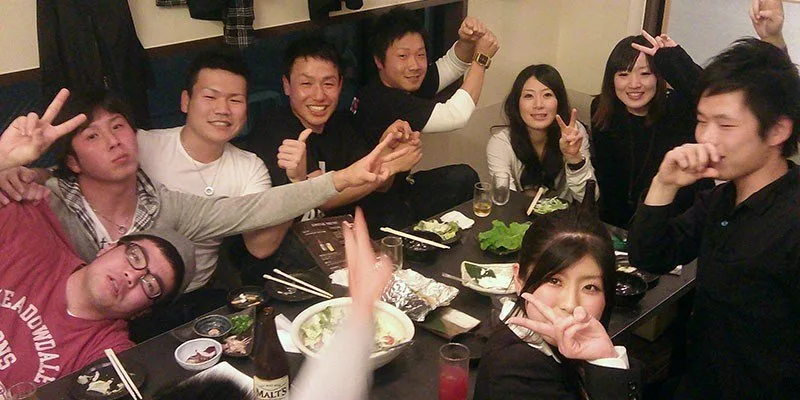
Misconceptions and wrong ideas tend to spread like water. Sometimes a person has a single experience, shares it, and from that moment on everyone else takes it as truth — until a whole society ends up with a fixed image that has very little to do with reality. That is exactly what happened with the stereotype that Japanese people are cold and independent.
I had a completely different experience during my trip to Japan in 2016. Drawing on conversations with other travelers, with Japanese people themselves, and after a fair amount of research, I wrote this article to put the topic in context — without painting anything in black and white, but also without pretending the challenges don't exist.
Contents 4
Why do so many people hold this view?
There are many reasons why people arrive at the conclusion that the Japanese are cold. Cultural differences, the Japanese diaspora abroad, the influence of older generations, and a long list of other factors all play a role.
One of the points that comes up again and again is the lack of physical contact — the handshakes and hugs that are simply part of everyday life in many Mediterranean or Latin American cultures. But that is largely a matter of respect and hygiene. Japanese people who share a close friendship or a lot of intimacy do lean on each other, hold hands, and show affection — only inside a smaller circle and in a much more subtle way.
Another factor is the lack of small talk with strangers. If you get on a train in Japan, no one is going to chat you up. That has nothing to do with coldness. It has to do with not wanting to make noise — and with a deeply rooted shyness that is widespread in Japan, especially when you are a foreigner. That makes it all the harder for them to start a conversation.
Of course, scenes that confirm the stereotype do happen in Japan, and similar patterns can be observed in Japanese-descended communities abroad. That is where the image comes from. But the moment it gets generalized, it does Japanese people a disservice. What makes it especially sad is hearing people from countries with documented, widespread everyday coldness dismiss the Japanese as cold — without ever looking at their own beam in the eye.

Of course, there are cold Japanese people, exactly as there are cold people anywhere else on Earth. One important observation is that many Japanese are reserved: they avoid contact with strangers, they prefer not to get involved in other people's lives, and above all they don't want to bother anyone. Often there is a real communication problem behind it, and a social shyness that makes it hard to express emotions and affection openly. But that is not the same as coldness.
What are the Japanese actually like?
Japanese people are the opposite of cold and independent. Do you know what a cold person actually is? Someone who has no feelings, doesn't cry, doesn't show pain, fear, anger or sadness. Now watch any Dorama or Anime — you will be amazed at how much crying, drama and hurt feelings are on screen. The Japanese do everything in their power to keep their problems from weighing on others, which is why they avoid crying, complaining and showing weakness. But those emotions are all there. And when they finally come out, you can see that the Japanese are the exact opposite of cold people.
I hardly need to comment on the supposed "individuality" of the Japanese — the opposite is everywhere on display. The Japanese are independent in some ways and try to handle their own problems, but they almost always work in teams and will go out of their way to help the people around them. Japanese upbringing has always emphasized thinking of the community rather than yourself.
The Japanese apply the "golden rule" — or "ethics of reciprocity" — very consciously: treat others the way you would like to be treated yourself.
So we cannot say that the Japanese are independent just because they keep their feelings and problems to themselves. In reality they work in teams constantly — teamwork is taken very seriously in Japan. Anyone who tries to play lone wolf in Japan is quickly viewed askance.
My personal experience with people in Japan
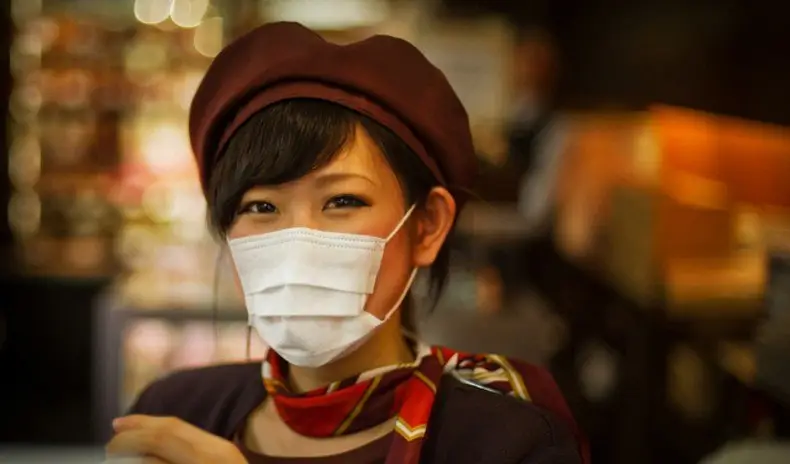
I had expected the climate between people in Japan to be a bit cooler, and I did see some early signs of that reserve. But I also saw the opposite — smiling people, talking and laughing all day long. The politeness was overwhelming; I felt ridiculous hearing sumimasen ("sorry") so many times. People apologized when they hadn't even touched me. The service in restaurants was on another level — staff were endlessly patient and served me with a smile.
The regional difference between Tokyo and Kansai was unmistakable. In Tokyo, no stranger spoke to me. But when I climbed a mountain in Kyoto, every single Japanese person I passed greeted me, and one even handed me a chocolate. The foreign tourists walking the same trail said nothing.
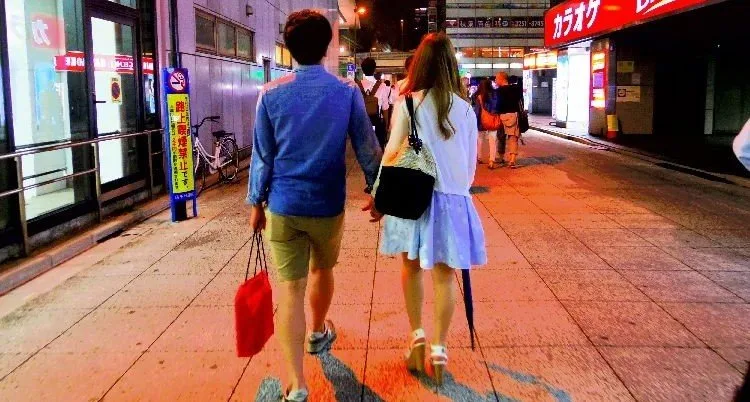
I also saw a lot of public affection. Japanese people hugging, kissing, holding hands — the opposite of what the stereotype tells you. I had the chance to stay with several Japanese families and experienced a wonderful atmosphere, full of love and care. I really didn't feel anything cold in Japan; everything felt warm and welcoming. Of course, everyone has different experiences — but don't draw sweeping conclusions from a handful of individuals.
I'm not saying that life in Japan is perfect and that everyone walks around happy and smiling. But I noticed that many Japanese prefer to smile and keep their worries to themselves rather than come across as cold and distant. That is not coldness — it is a different way of moving through the world.
So — are the Japanese cold?
The mere fact that Japanese people show less physical contact — fewer handshakes, fewer hugs — does not signal coldness. The fact that they keep problems and feelings to themselves, or spend long stretches alone, does not show independence in any negative sense. Many Japanese do isolate themselves and don't share their feelings and worries with others — that is a real problem, and it can lead to depression or, in the worst case, suicide.
But it is worth remembering that there are cold and distant people in every country in the world, and not a few of them. So never conclude that one country's people are colder than another's. Take culture and upbringing into account! And try to look at the beam in your own eye before going after the speck in someone else's.
Before you decide that Japanese people are cold, reconsider what being a cold person actually means. I don't like country-to-country comparisons! But to claim that Japan is a cold country because of a culture of reserve and a handful of reported cases, while in many other countries you can walk down any street and meet people without a shred of love, compassion, or respect for others — that is pretty rich.
In that light, the Japanese who don't like to talk, who avoid physical contact, who keep their feelings and problems to themselves, or who struggle to be openly social are not cold people — they are reserved people. Cold people are those who don't care about anyone else, who have no feelings, compassion, or pity, who don't respect anyone around them. In other words: thieves, fraudsters, violent offenders and inconsiderate jerks — the sad reality that, sadly, sets the tone in far too many societies around the world.



Community
Comments
0 comments
There are no published comments in this language yet.
Send comment