
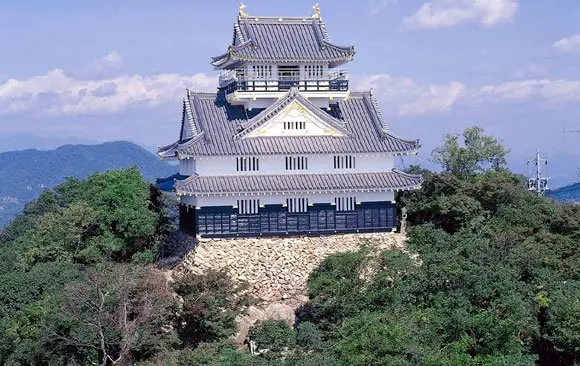
Gifu Castle rises above Gifu City on Mount Kinka, overlooking the Nagara River and one of the most strategic landscapes in central Japan. More than a scenic stop, it is a place strongly associated with Oda Nobunaga, who turned the former Inabayama Castle into a military and political base during the Sengoku period.
That is what makes Gifu Castle interesting even today. The mountain setting, the link with Nobunaga, and the wider history of Gifu matter more than the size of the current keep itself. As of July 2026, however, Gifu City says the keep and the adjacent museum are temporarily closed for renovation, so anyone planning a visit should check the latest official notice before going.
Contents 3
Location of Gifu Castle
Gifu Castle (岐阜城, Gifu-jo) stands on the summit of Mount Kinka, a 329-meter mountain near the Nagara River in Gifu City. The first fortress on this site dates to the early 13th century and is usually linked to the Nikaido clan. Before it became famous as Gifu Castle, it was better known as Inabayama Castle.
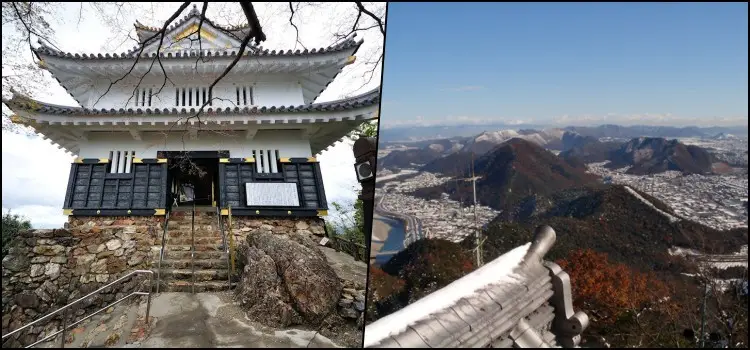
The mountaintop position explains a lot of the castle's appeal. From here, rulers could watch the plain below and control an important route through Mino Province. If you enjoy comparing strongholds from different regions, our guide to Japanese castles helps show why Gifu feels so different from flatland castles or massive coastal fortresses.
For modern visitors, the practical approach is still through Gifu Park at the foot of the mountain. From JR Gifu Station or Meitetsu Gifu Station, buses stop in the Gifu Park and Gifu Castle area, and the Mt. Kinka Ropeway remains the easiest way up. Hiking is possible, but it is a real climb rather than a casual stroll.
History of Gifu Castle
The castle became especially important in the late Muromachi and Sengoku periods, when the Saito clan used it as a mountain stronghold. Saito Dosan is the name most often associated with the site before Nobunaga, while Saito Tatsuoki is remembered as the last Saito lord to lose the castle.
In 1567, Oda Nobunaga captured Inabayama Castle and renamed both the fortress and the surrounding area "Gifu." He then expanded the site and used it as one of his main bases while pushing toward national unification. This is the phase that gave Gifu Castle its lasting identity, because the place is remembered less for its surviving buildings and more for the role it played in Nobunaga's rise.
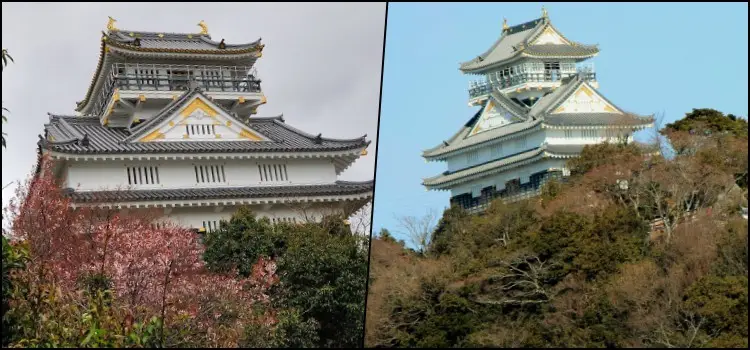
After the Battle of Sekigahara, the old castle complex was abandoned in the early 17th century. A replica keep was built in 1910, burned in 1943, and the present reinforced-concrete keep was completed in 1956. So when people visit Gifu Castle now, they are really visiting a reconstructed landmark on an original historic site rather than one of Japan's surviving original keeps.
Nobunaga's presence still shapes the atmosphere around the mountain, the museum displays, and even the way Gifu presents its own history. If you want to see how his image continues in modern culture, you can also look at these works inspired by Oda Nobunaga.
What to know before visiting today
The biggest practical update is that the keep and the Gifu Castle Museum are not operating normally right now. According to Gifu City, both facilities entered a renovation period in mid-May 2026, with reopening planned for November 2027. That single detail matters more than old fee tables, because it changes what visitors can actually do on site.
Even so, the wider area around Mount Kinka still has value. The ropeway continues to be the easiest route toward the summit area, Gifu Park remains a worthwhile stop, and the mountain itself is part of the experience. Some access around the summit is restricted during the renovation works, so it is sensible to confirm the latest official guidance before deciding whether to go up by ropeway or on foot.
In the end, Gifu Castle is best understood as a historic symbol of Nobunaga's ambitions, a dramatic mountaintop viewpoint, and an important part of Gifu City's identity. The original ruins are a National Historic Site, and that context is what gives the place its real weight, even while the reconstructed keep is under renovation.


Community
Comments
0 comments
There are no published comments in this language yet.
Send comment