

The word mendokusai is frequently used in the Japanese language. Perhaps you have heard it in some anime or manga, or simply noticed other people using it when a task feels like too much trouble.
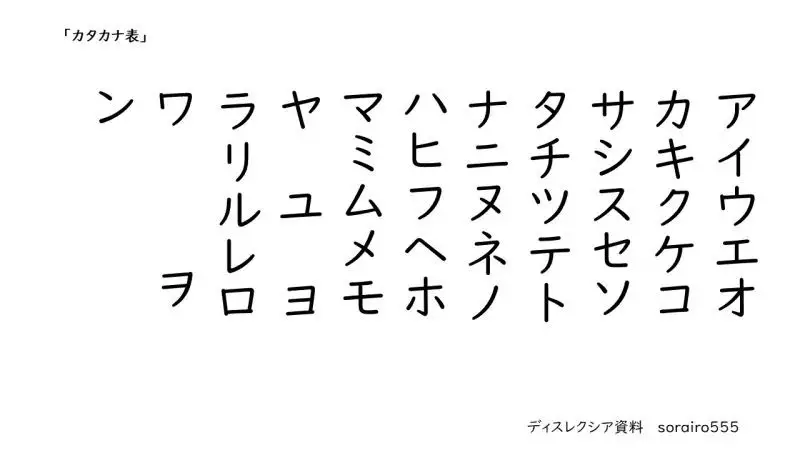
The fuller spelling is mendoukusai [面倒くさい]. In speech, and often in writing, the long vowel drops, so the form you actually hear is mendokusai [めんどくさい]. Mendou [面倒] means trouble, fuss, or care. The kanji were fitted to that sound later as ateji, characters matched to めんどう after the word was already in use. The Daijisen dictionary traces めんどう to an older めだうな, meaning a waste even to look at. Kusai [くさい] comes from 臭い and works here as a suffix that makes the bother feel heavier. 面倒くさい is the adjective for a task that feels like a real hassle.
Many use this word when they do not want to do something, find it boring, or think it's a drag to have to perform a certain action, when something is laborious and tiring. Everyday lines sound like this: walking all the way there is mendokusai, tidying the room is mendokusai, getting tomorrow's bento ready is mendokusai. People also say it about someone who is a lot of trouble to deal with.

English words that come close
If we try to put mendokusai into English, a few different words come up, depending on the situation:
- bothersome;
- tiresome;
- a hassle;
- a pain;
- a drag;
- laborious;
- too much effort;
- I can't be bothered;
- troublesome.
The short form mendokuse [面倒くせー] uses the ending せー, which gives it a blunt, informal, and sometimes rude sound. Shikamaru Nara from Naruto often uses the expression mendokusee, the line English viewers hear as "What a drag." There is also a manga titled Omaera Zen'in Mendokusai! [お前ら全員めんどくさい!], by TOBI, that carries this expression.
People usually say and write the short form mendokusai [めんどくさい], without the u of mendou. The fuller kana is めんどうくさい, where う marks a long o, and the blunt version is めんどくせー. While researching this topic, I also discovered mendou o miru [面倒を見る]. The phrase means to look after someone, a child or a parent you have agreed to take care of. In that phrase, 面倒 is the care itself.
In any case, people reach for mendokusai before they have even started, and the job can be small: looking at the steps is already enough to put them off.




Community
Comments
0 comments
There are no published comments in this language yet.
Send comment