
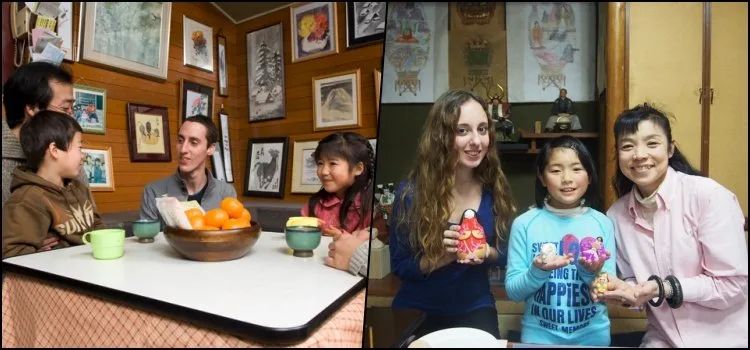
A share house in Japan sits between a private apartment and a dorm. You keep your own bedroom, but the kitchen, living room, laundry area, and bathrooms are shared with other residents. For students, workers, digital nomads, and people arriving in Japan for the first time, that mix of privacy and community often makes the move much easier.
The biggest appeal is practical: many share houses are furnished, have simpler move-in procedures than a regular apartment, and roll utilities and internet into a predictable monthly payment. At the same time, daily life depends on shared rules, schedules, and respect for the people living with you.
Contents 8
What is a share house in Japan?
In Japan, a share house is a rental property where each resident has a private room while common areas are communal. Operators usually manage the building, recruit new tenants, and set the house rules. That is one of the clearest differences from ordinary room sharing, where friends rent one apartment together and handle the arrangement themselves.
Another useful detail is that there is no single legal definition of a share house, so layouts and rules vary a lot. Some houses are small and quiet, while others are designed around international exchange, remote work, or life near a university or major station.
Share house vs apartment vs room sharing
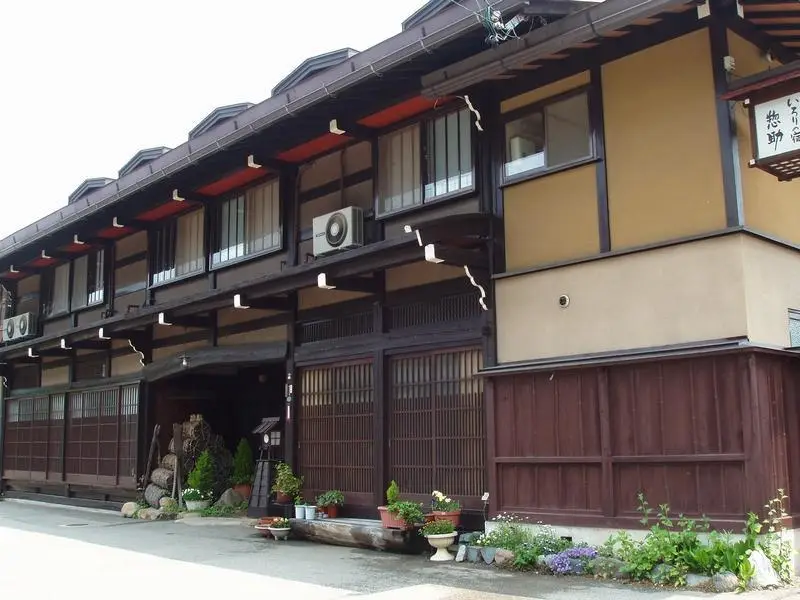
A regular apartment gives you full privacy, but it usually asks for more paperwork, higher initial costs, and extra setup for furniture, utilities, and internet. A share house is lighter on setup because many essentials are already there.
It is also different from splitting one apartment with friends. In a share house, the operator manages contracts, maintenance, and common rules. You move into your own room instead of negotiating chores, bills, and replacement tenants on your own.
Why many newcomers choose a share house
For people moving to Japan, the hardest part of housing is often not the rent itself but the initial barrier: guarantor requirements, several upfront fees, and a long contract. Many share house operators remove part of that friction. Well-known companies aimed at foreigners often advertise no guarantor, furnished rooms, internet included, and stays starting from one month or a few months depending on the house.
That makes a share house especially useful if you are still learning the area, do not know yet where you want to settle long term, or need a base while starting work, school, or language study.
What is usually included
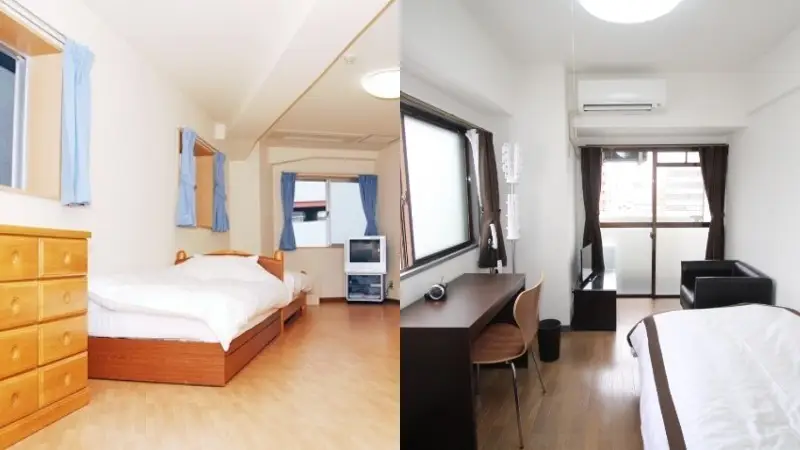
Facilities change from house to house, but many listings in Japan include the basics needed to move in quickly:
- Private bedroom with a bed, storage, and often a desk or chair.
- Shared kitchen with appliances and basic utensils.
- Bathroom, shower, and laundry used by all residents or by each floor.
- Wi-Fi and utilities bundled into a fixed monthly cost in many properties.
- Furnished common areas such as a living room, dining space, or lounge.
Some larger houses go further and add study rooms, coworking-friendly spaces, theaters, music rooms, rooftop areas, or themed communities. That is why reading the full listing matters more than assuming all share houses work the same way.
Main advantages of living in a share house
- Lower upfront burden: many houses skip key money, agency fees, and the heavy setup costs common in standard apartment rentals.
- Faster move-in: furnished rooms mean you can settle in with fewer purchases.
- Flexible stay: short or medium stays are easier to find than with a typical two-year apartment contract.
- Community: you meet Japanese and international residents naturally in shared spaces.
- Language practice: daily conversation can help you pick up Japanese or use English more often.
- Better first landing: for people new to Japan, a house with other residents often feels less isolating than living alone from day one.
For many residents, the real value is not only saving money. It is the combination of convenience, support, and social contact during the first months in a new city.
Drawbacks and rules you should expect
A share house is not automatically the best choice for everyone. The same shared environment that feels friendly to one person can feel exhausting to another.
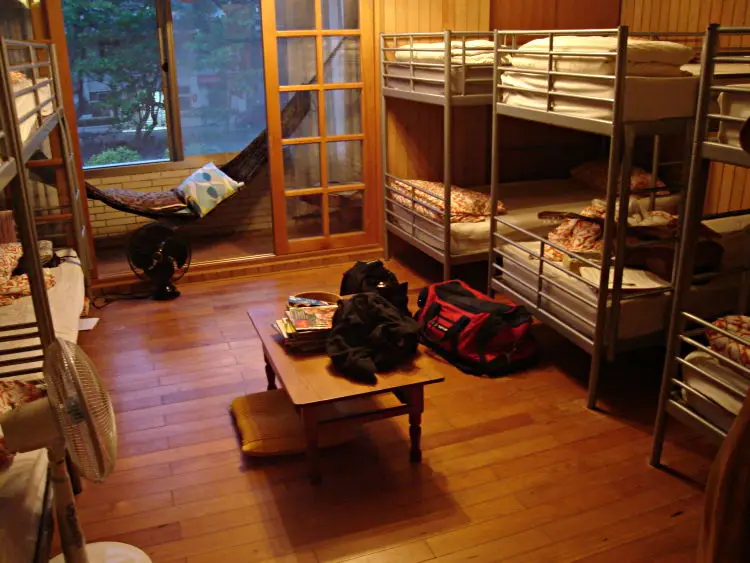
- Less privacy: your room is private, but the rest of the house is not.
- Noise and routines: sleep schedules, cleanliness habits, and guest policies can become friction points.
- House rules matter: quiet hours, kitchen cleanup, garbage sorting, and visitor restrictions are often strict.
- Not every house fits every personality: some are social and lively, others are quieter or more work-focused.
If you need total silence, complete control over the space, or dislike shared facilities, a private apartment may suit you better. If you can handle common rules and occasional compromise, a share house can work very well.
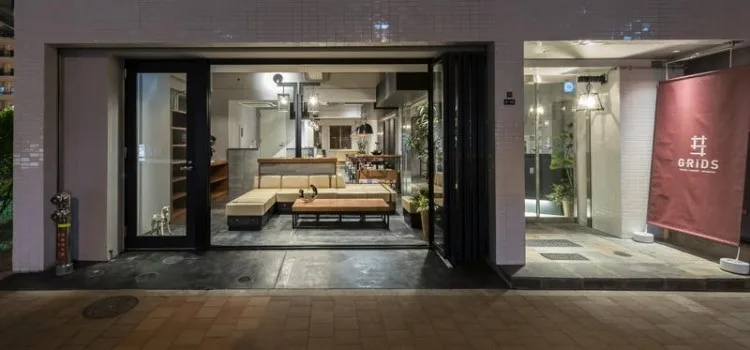
How to find a good share house in Japan
Search using the term シェアハウス or look directly at operators and portals that already serve foreign residents. Oakhouse, Borderless House, Sakura House, and listing portals focused on share houses can help you compare neighborhoods, room types, and contract terms.
Before applying, check these points carefully:
- Location: distance to the station, commute time, and neighborhood feel.
- Monthly total: rent, management fee, deposit, and what utilities are included.
- Minimum stay: one month, several months, or longer.
- Resident profile: mixed house, women-only, students, professionals, or international community.
- Rules: visitors, overnight guests, cleaning duties, smoking, and quiet hours.
- Room setup: private room size, desk, storage, air conditioning, and internet quality.
If possible, compare at least a few listings in the same area. A cheap room far from transport or with a poor layout can cost more in time and stress than a better-managed house near your routine.
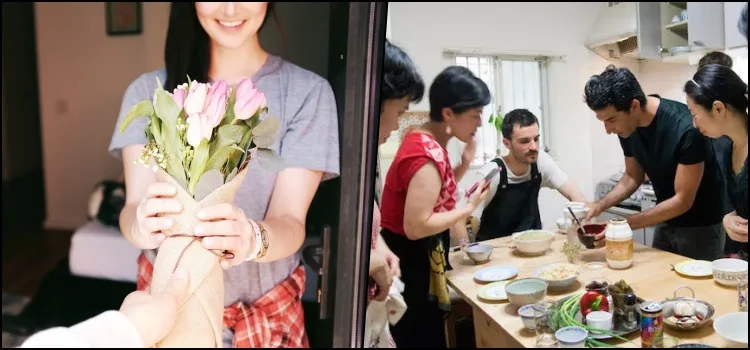
Is a share house in Japan worth it?
For many people, yes. A share house in Japan is often a smart first step when you want lower setup costs, faster move-in, and more human contact than a private apartment offers. It suits students, working holiday residents, remote workers, and newcomers who want time to understand the city before signing a longer lease.
It is less ideal if privacy is your top priority or if you already know you want a stable, self-contained apartment for the long term. But if you want a practical and social way to start life in Japan, a good share house can make the transition much smoother.



Community
Comments
0 comments
There are no published comments in this language yet.
Send comment