
Seichi junrei (聖地巡礼) is the term fans use for visiting real-world places linked to anime, manga, and animated films. Instead of focusing only on famous temples or postcard landmarks, travelers look for the staircase, station, street, lake, or beach that appeared in a beloved series. It is a style of travel that mixes fandom, photography, local spending, and genuine curiosity about everyday Japan.
In Japan this stopped being a niche hobby long ago. Cities, tourism boards, shops, and rights holders now welcome this audience with maps, stamp rallies, collaboration goods, themed menus, and walking routes. The result is a broader form of tourism that pulls visitors beyond the Tokyo-Kyoto-Osaka circuit and turns ordinary neighborhoods into memorable destinations.
Contents 6
What seichi junrei really means
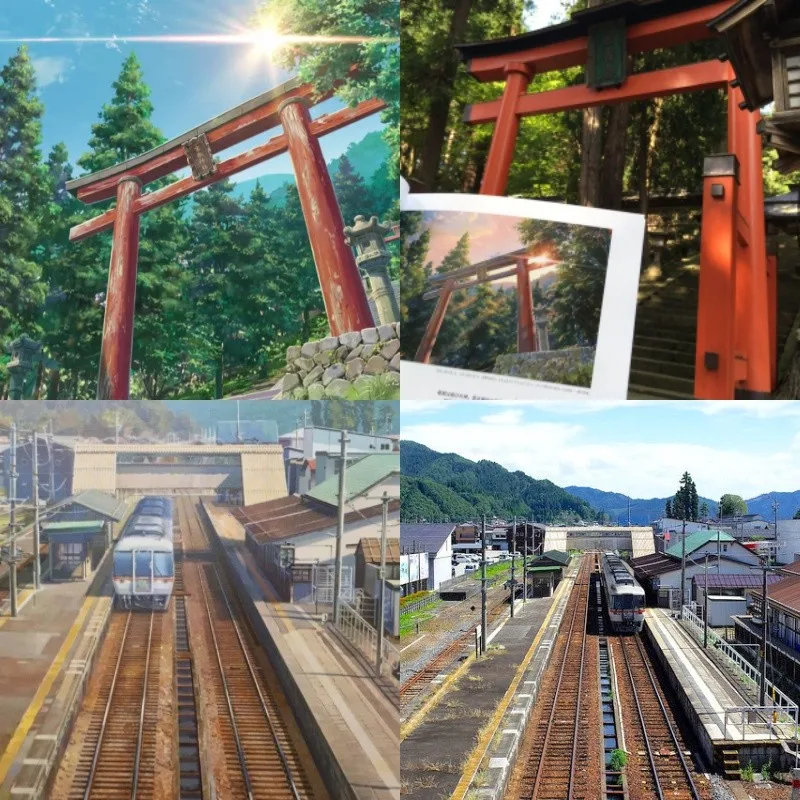
The phrase originally carries the nuance of a pilgrimage, but in pop culture it points to visiting places connected to a work. Fans are not only there to “see the spot”. They want to recreate angles, walk the same route, try the food mentioned in the series, and feel how the setting works outside the screen. When the adaptation is visually faithful, a back alley, a lake, or a shrine stops being background and becomes part of the emotional memory of the trip.
There is also a strong community side to it. Some journeys grow from maps built by fans, while others are organized around official campaigns with stamps, shops, exhibitions, and life-size character panels. In cities that embraced the trend, local businesses understand exactly who is arriving and why.
How anime tourism works in practice
- Pick a work that has a clear link to a real place.
- Map the main locations to understand whether the route fits a neighborhood, a whole town, or a wider rural area.
- Visit with enough time to walk, photograph, shop, and notice the town beyond the famous frame.
- Let the trip gain context, because the best part of seichi junrei is usually when the anime becomes a gateway to food, history, scenery, and local routine.
That is why anime pilgrimage works better at street pace than in checklist mode. If you rush, you only see the screenshot. If you slow down, you understand why the setting matters in the first place.
Why this kind of travel grew so much in Japan
Modern anime increasingly uses identifiable landscapes. Stations, bridges, lakes, shopping streets, and full districts appear with enough accuracy to invite viewers to go looking for them later. At the same time, medium-sized cities realized that anime fans spend on trains, hotels, food, and souvenirs like any other traveler, but with a particularly strong emotional motive.
That is why Japan treats the subject more seriously now. The Anime Tourism Association curates the annual 88 Anime Spots selection, while regional tourism boards use anime as a doorway to attract visitors outside peak season. For many towns, seichi junrei is no longer a curiosity: it is a recognizable tourism strategy.
Major locations fans keep visiting
The list below is not a strict ranking, but it brings together some of the best-known and most frequently cited anime travel stops:
| Work | Main spot | Location | What fans find there |
|---|---|---|---|
| Lucky Star | Washinomiya Shrine | Kuki, Saitama | A historic shrine, votive plaques, local festivals, and one of the classic examples of otaku impact on a small town. |
| Girls und Panzer | Central Oarai and the waterfront | Oarai, Ibaraki | Themed shops, character panels, an official gallery, and a walkable coastal town. |
| Love Live! Sunshine!! | Numazu and Uchiura | Numazu, Shizuoka | The station area, cafés, sea views, and a city that folded the series into its tourism identity. |
| Anohana | Central Chichibu | Chichibu, Saitama | Bridges, temples, quiet streets, and a mountain-town atmosphere that suits the story. |
| Hyouka | Takayama old town | Takayama, Gifu | Historic streets, festival culture, and a preserved small-city feel. |
| Laid-Back Camp | Minobu and the Lake Motosu area | Yamanashi | Camping scenery, scenic roads, and the outdoor Japan many viewers want to experience for themselves. |
| Higurashi | Shirakawa Village | Gifu | A rural landscape of gassho-zukuri houses and a strong countryside mood. |
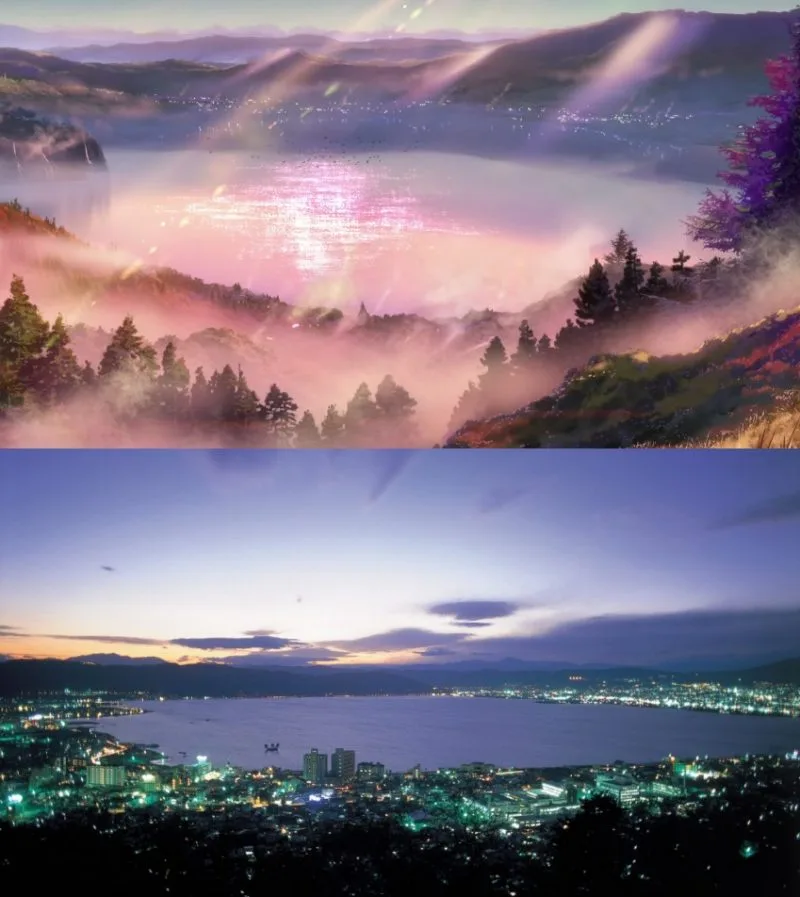
| Your Name | Lake Suwa | Suwa, Nagano | Viewpoints, the lakeshore, shrines, and one of the most memorable anime travel settings in Japan. |
How to plan a good route without turning it into a sprint
The easiest way is to group your pilgrimage by region. Numazu and Oarai work well for people who want medium-sized towns and a manageable day trip. Takayama, Shirakawa, and Suwa fit better in a slower itinerary with at least one overnight stay. And if the destination is rural, transport becomes part of the experience, so leave room for local trains, buses, or a rental car.
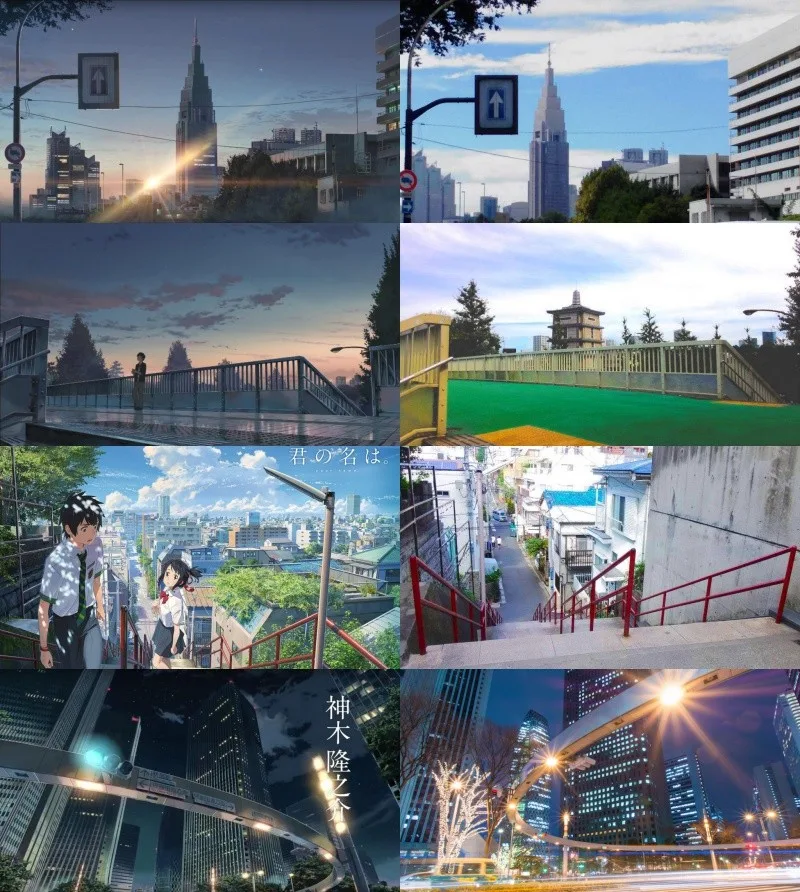
It also helps to mix fandom with real travel. Visit the anime spot, but keep time for a market, museum, café, onsen, or viewpoint. If you want to start with one of the most famous examples, our guide to the real locations of Kimi no na wa shows how one film can spread a route across Tokyo, Nagano, and Gifu.
Basic etiquette that matters
- Many spots sit inside residential neighborhoods, active stations, or working shrines. Do not treat them like empty sets.
- Avoid blocking narrow passages with tripods, long photo sessions, or loud groups.
- Do not enter schools, temple corridors, yards, or marked private areas.
- If the city created an official campaign, support local businesses instead of only taking pictures and leaving.
- For famous places, go early. The light is usually better, and it reduces friction with residents.
The best seichi junrei trips are the ones that break the checklist mindset. When a series becomes a doorway into a real town, the anime is still there, but now it is mixed with street smells, local shops, trains, and actual landscape. That is why so many people return from Japan with scene photos and, at the same time, the feeling that they discovered a part of the country ordinary itineraries would never have shown them.




Community
Comments
0 comments
There are no published comments in this language yet.
Send comment