
Japan has far more places to stay than a standard hotel room. A trip can begin beside a station in a compact business hotel, end in a tatami room at a ryokan, or take a very different turn in a temple lodging, guesthouse, capsule hotel, or mountain pension.
The useful question is not which option is “best.” It is what you need that night: a quick stop, privacy, a cultural stay, room for a group, a base for hiking, or a low-cost bed before an early train. This guide explains 20 types of accommodation in Japan and where each one makes sense.
Contents 26
How to choose accommodation in Japan
For a short city stay, business hotels, Western-style hotels, capsules, and hostels are usually the easiest places to compare. For a traditional overnight experience, look at ryokan, minshuku, shukubo, or kappo ryokan. Travelers staying longer may prefer a vacation rental or a monthly apartment. Always check the room layout, meal plan, bath arrangement, check-in time, and luggage policy before booking; these details vary more than the label of the accommodation.
1–4. Traditional stays
1. Ryokan (旅館)
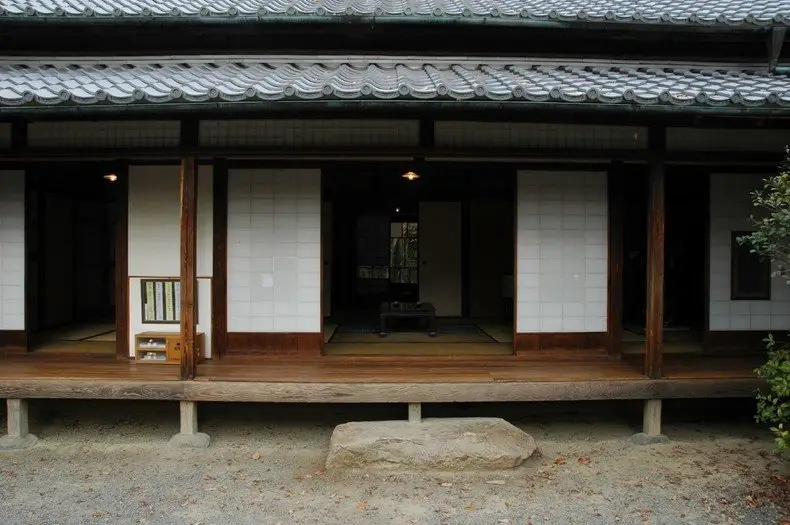
A ryokan is a traditional Japanese inn. Many rooms use tatami flooring and futon bedding, and some stays include dinner and breakfast. The experience changes widely by property: one ryokan may be a simple country inn, while another focuses on a formal meal, an onsen bath, and attentive room service. Read about tatami flooring before choosing one if you have never slept in a Japanese-style room.
2. Minshuku (民宿)
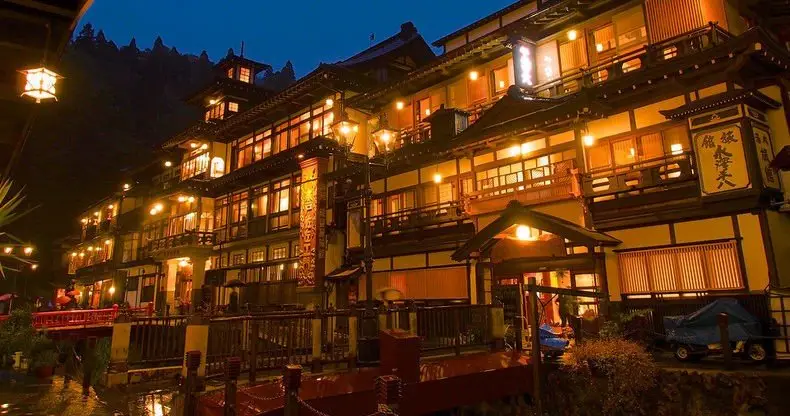
Minshuku are small, often family-run lodgings. They commonly feel less formal than a ryokan and are a good fit for rural areas, coastlines, ski towns, and small communities. A shared bath, a curfew, or a set dinner time can be part of the stay, so read the house rules rather than assuming hotel-style service.
3. Shukubo (宿坊)
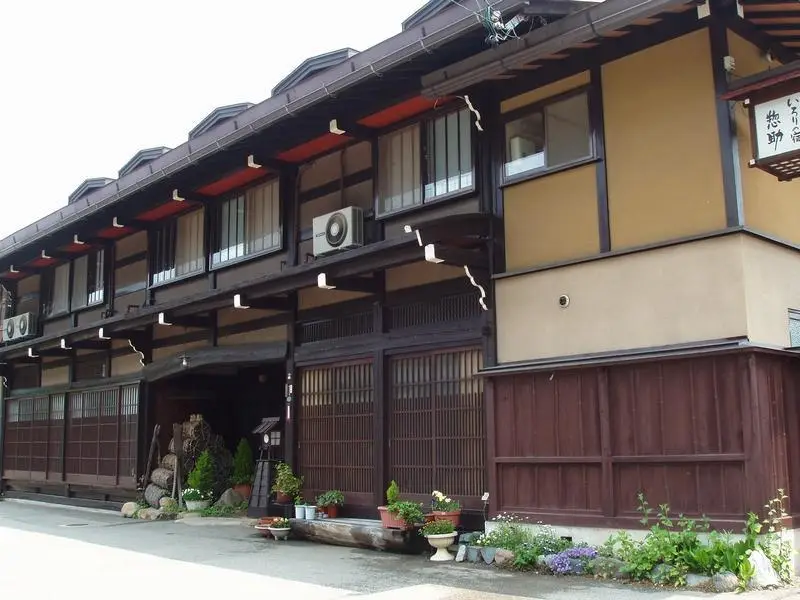
Shukubo means temple lodging. Some Buddhist temples welcome overnight guests and may offer vegetarian food or the chance to attend morning practice. It is a stay with its own rhythm, not a themed hotel: quiet hours, shared facilities, and temple etiquette matter. Mount Kōya is especially known for this kind of lodging.
4. Kappo ryokan
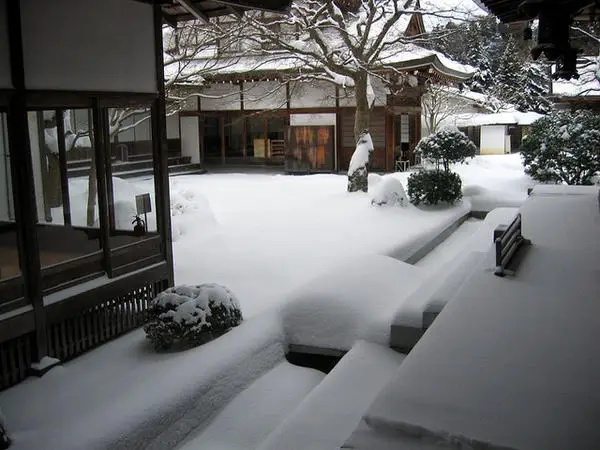
A kappo ryokan puts dinner at the center of the stay. These inns are a better choice for travelers who want a multi-course Japanese meal with their overnight accommodation. Confirm what the plan includes and tell the property about allergies or dietary restrictions before arrival.
5–10. Hotels, lodges, and shared stays
5. Business hotels
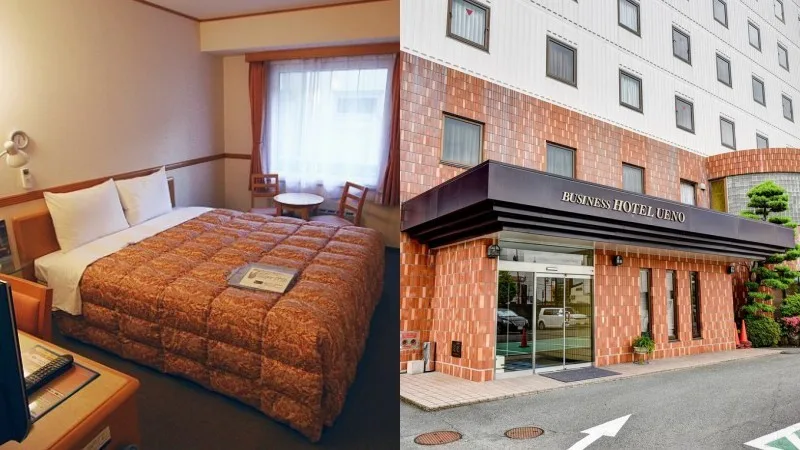
Business hotels are compact, practical hotels, often close to train stations and commercial districts. They suit solo travelers, short city breaks, and itineraries with early departures. Rooms can be small, so check the bed size and whether you need space for large luggage.
6. Western-style and city hotels
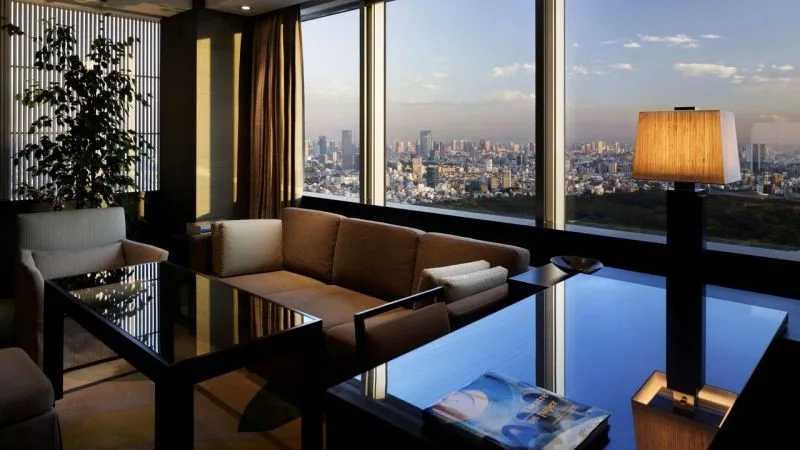
Western-style hotels range from simple chains to full-service city hotels. They are the most familiar option for many visitors and can offer larger common areas, concierge service, restaurants, and accessible room choices. They work well when convenience matters more than a distinctly Japanese room style.
7. Resort hotels
Resort hotels are built around a destination such as a beach, ski area, mountain, or hot-spring town. They make sense when you want to spend time at the property and nearby landscape rather than commute into a city every day. Transport can be less frequent outside the main season.
8. Pensions
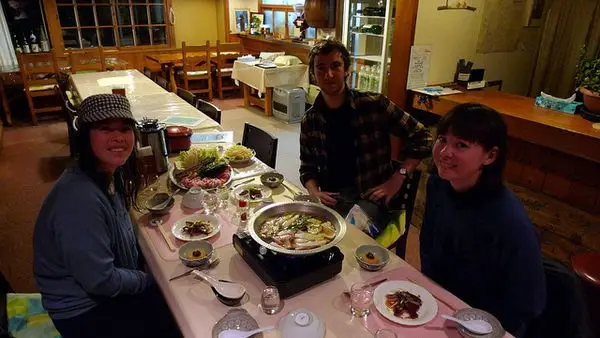
In Japan, a pension is usually a small Western-style lodge, often found in resort towns and the countryside. It can feel similar to a minshuku but with Western-style rooms. This is a useful middle ground for travelers who want a quieter setting without committing to a tatami-and-futon stay.
9. Guesthouses and hostels
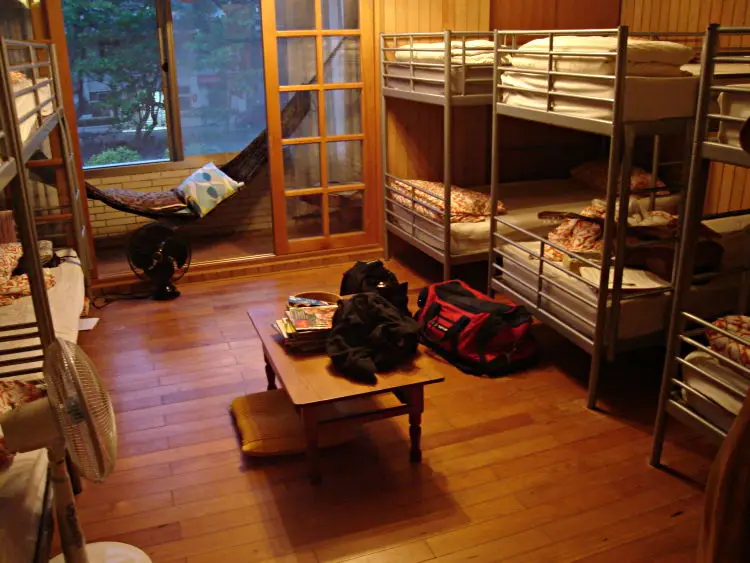
Guesthouses and hostels are made for travelers who value a lower-cost bed and shared spaces. Dormitories are common, though private rooms may also be available. They are a natural choice for solo travelers and longer trips, but read reviews for shower access, locker size, noise, and whether the property has a curfew.
10. Capsule hotels
Capsule hotels provide a bed-sized private sleeping space inside a shared facility. They are useful for one-night solo stays, especially near major stations, but they are not ideal for every traveler. Rules about luggage, children, floors, and bath access differ by property. See our guide to capsule hotels in Japan for a closer look.

11–15. Unconventional and longer-stay options
11. Manga cafés and internet cafés
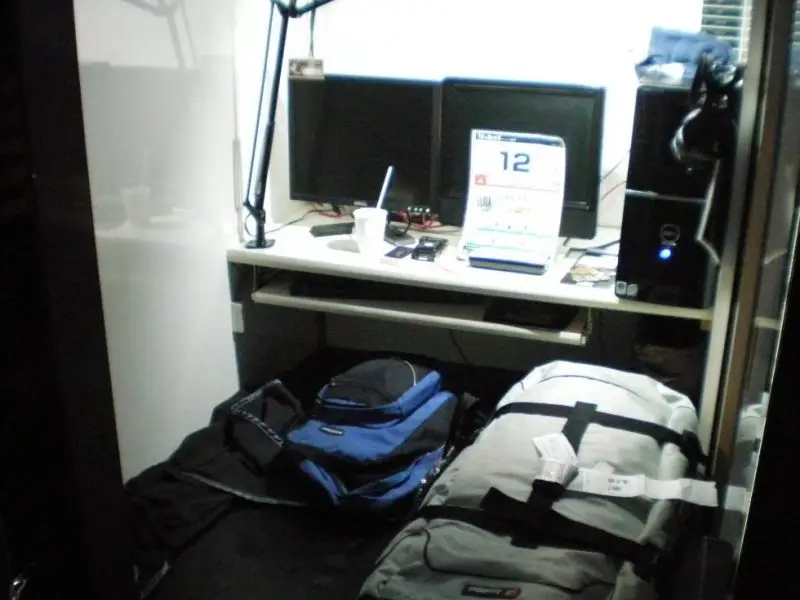
Manga cafés and internet cafés can be an emergency overnight option when you miss the last train or need somewhere to rest briefly. They are not a substitute for a proper hotel room: seating, booths, showers, and overnight plans vary by location. Our manga kissa guide explains what to expect.
12. Love hotels
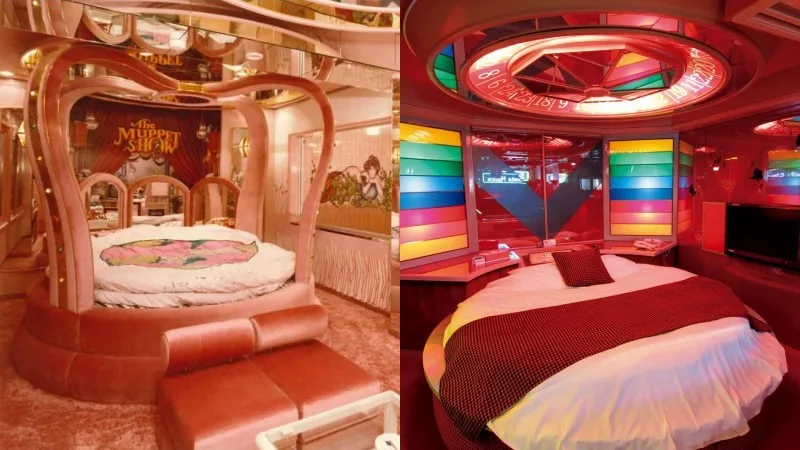
Love hotels are designed for couples and usually offer short-stay and overnight plans. They can be visually distinctive and may have large rooms, but they are not conventional tourist hotels. Check the check-in process, occupancy rules, and location before relying on one for a trip.
13. Onsen facilities and super sento
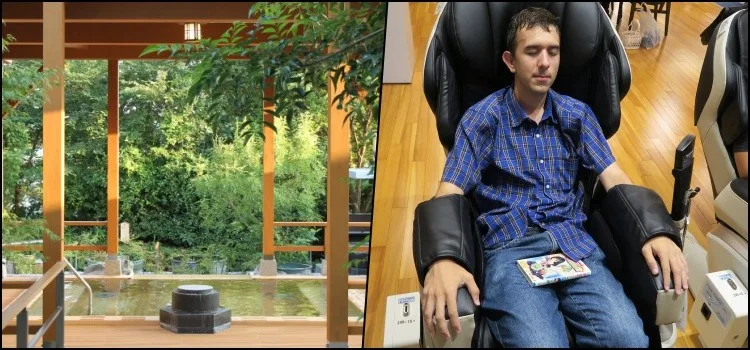
Some hot-spring facilities and large public bathhouses offer late-night or overnight rest areas. This can be memorable and practical, but sleeping arrangements may be reclining chairs or shared spaces rather than a private room. For a planned hot-spring trip, a ryokan is usually the more comfortable choice. Explore onsen destinations in Japan before building an itinerary around one.
14. Minpaku and vacation rentals
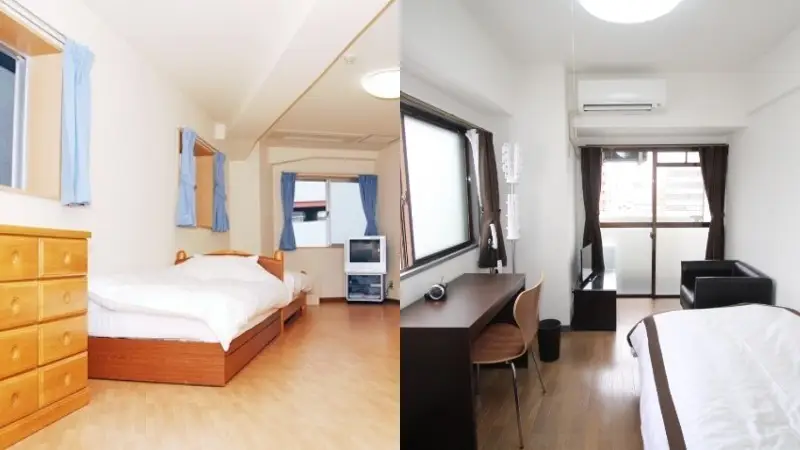
Minpaku is a private-lodging or vacation-rental stay, often in an apartment or house. It can be convenient for families, groups, and travelers who want a kitchen or washing machine. Read the listing carefully for check-in instructions, neighborhood rules, stairs, and the number of real beds rather than relying on photos alone.
15. Weekly and monthly apartments
For a stay measured in weeks or months, furnished apartments and monthly rentals can be more practical than booking night by night. They are aimed at longer stays, temporary work, or study, and the contract terms may differ from ordinary lodging. Confirm utilities, cleaning fees, deposits, and the minimum stay before committing.
16–20. Outdoors, transport, and transitional stays
16. Camping and glamping
Camping is a good option for travelers heading to national parks, mountains, or lakes. Use designated campsites and check seasonal access, equipment rental, and local rules. Glamping offers a more equipped version of the same outdoor setting.
17. Rider houses
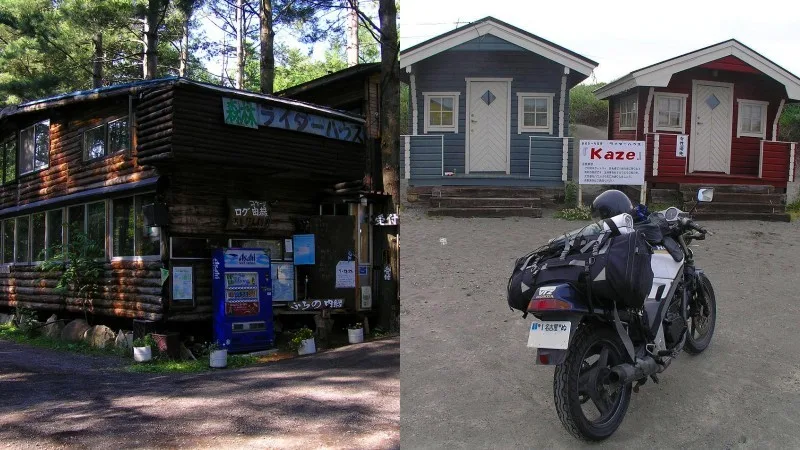
Rider houses are simple places used mainly by people traveling by motorcycle or bicycle. They are especially associated with long-distance routes and Hokkaidō. Facilities and availability can be limited, so treat them as a route-specific option rather than a nationwide hotel category.
18. Dormitories and share houses
Dormitories and share houses are primarily long-term housing, not short tourist lodging. They can be useful for students, workers, and people settling in Japan, especially when a furnished room and shared kitchen matter more than hotel service.
19. Overnight buses and night trains
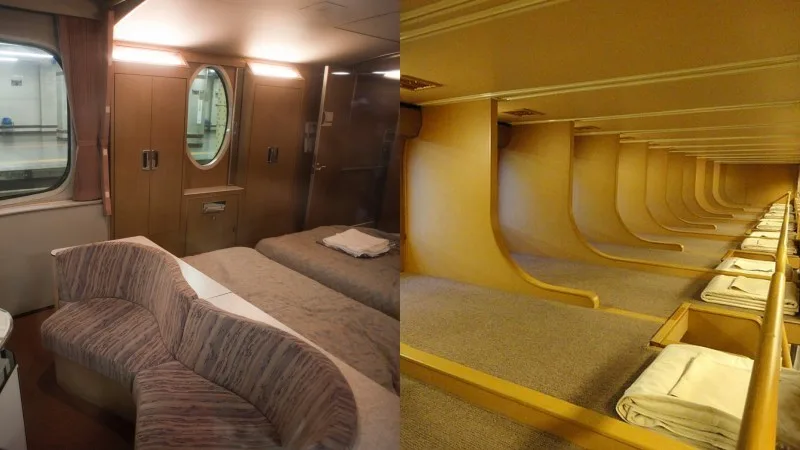
Night transport is not accommodation in the usual sense, but it can replace one hotel night on the right route. Compare comfort, arrival time, and the cost of onward transport before choosing it. A sleeper service or overnight bus makes more sense when it supports the itinerary, not only because it looks cheaper.
20. Doya and kiyado
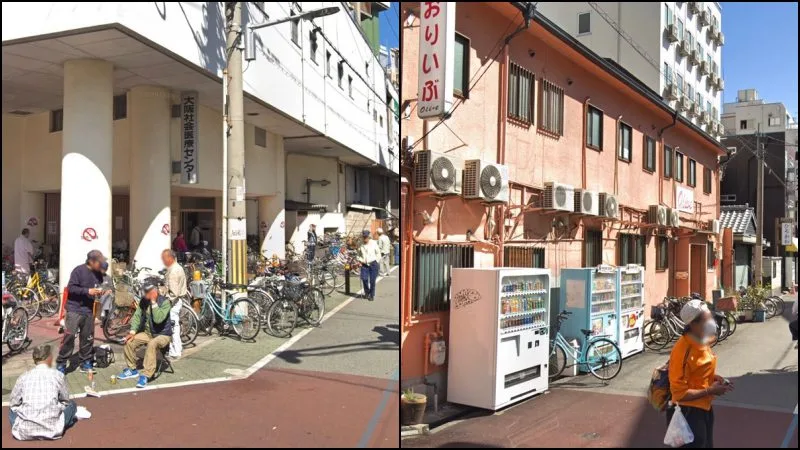
Doya and kiyado are historical terms connected with inexpensive lodging and laboring districts. They help explain the history of certain neighborhoods, but they are not a category to choose casually from an old travel list. If you are researching Osaka’s Airin area, start with our article on Kamagasaki and use current local information for practical plans.
Make the final choice by trip style
Choose a business hotel, city hotel, or capsule for a fast urban stop; a ryokan, minshuku, or shukubo for a stay shaped by place and routine; a guesthouse for shared travel; and a vacation rental or monthly apartment for space and longer stays. Japan’s range is the advantage. Once you know how you want to spend the evening and wake up the next morning, the right type becomes much easier to find.
For a closer look at a traditional inn, read our ryokan guide. If your route includes small towns, this guide to small towns in Japan can help you plan where a rural stay makes sense.



Community
Comments
0 comments
There are no published comments in this language yet.
Send comment