
The Samurai Museum in Kabukicho, Shinjuku, is closed. The site has been shut since 2025 and no reopening has been announced. Anyone travelling for the armour and the costume photos will find a locked door. Tokyo still has two good addresses for the same interest.
Contents 6
What it used to offer
It was a small private museum on two floors. Armour, helmets and swords filled the rooms, part of it replica. A guide explained the history in short blocks, and sword-fighting shows ran on a small stage. Entry cost about 1,800 yen.
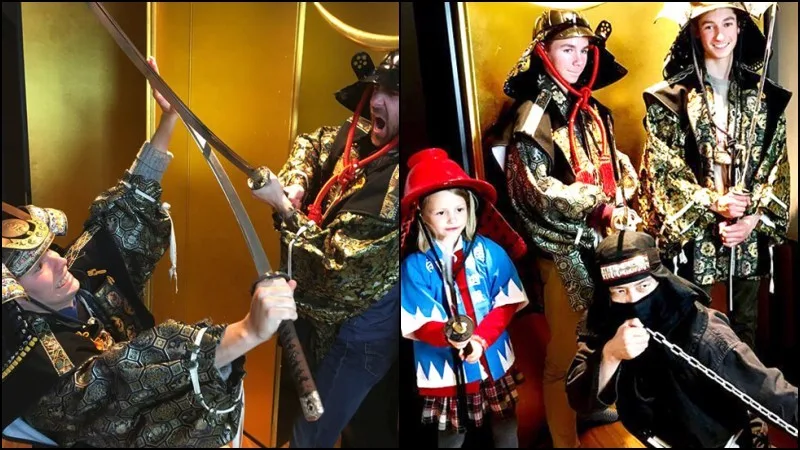
The shop sold miniature armour and swords. Children liked it, parents worried about the luggage. All of that is now a memory.

Private museums depend on visitor numbers. Rent and wages rise while the collection stays the same, so small houses close more often. Travel guides and blogs rarely keep up with that change.
First alternative: Tokyo National Museum
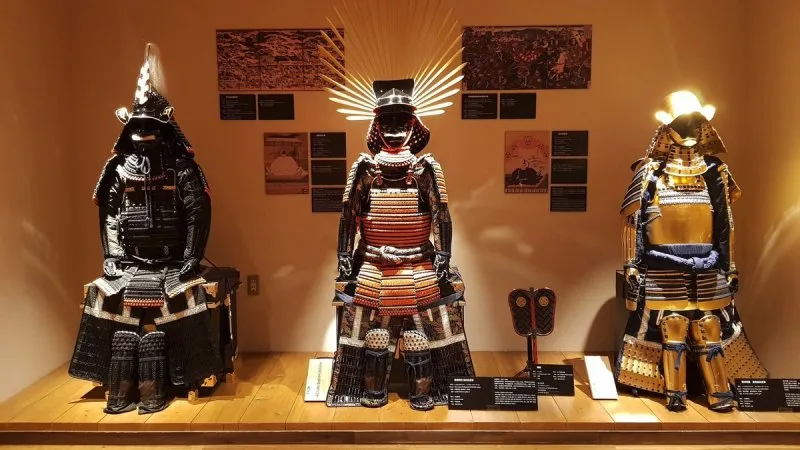
It sits inside Ueno Park. The main building holds swords and armour in the permanent collection, arranged by period, which makes the sequence easy to follow. The number of pieces and their quality are not comparable to a private house.
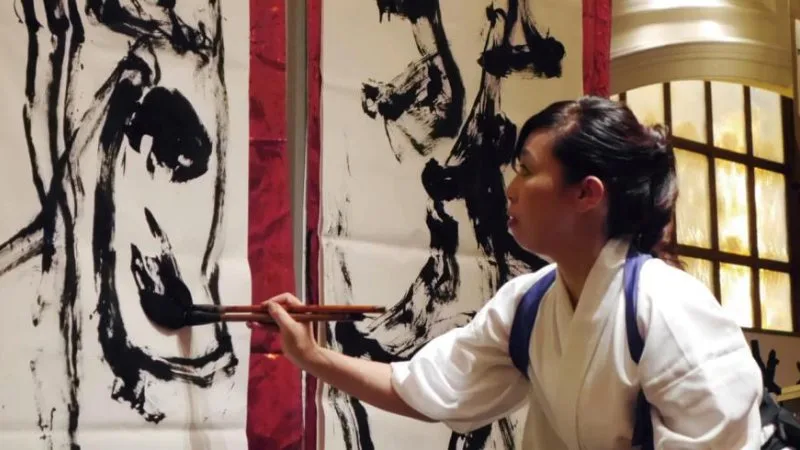
One day is not enough for the whole museum. With little time, head straight for the sword and armour rooms in the main building. Opening hours and admission are on the official site.
Second alternative: the Sword Museum in Ryogoku
The house deals only with the Japanese sword. It opened in Yoyogi in 1968 and moved to Ryogoku in Sumida in 2018. Adults pay 1,000 yen, students 500, children up to junior high nothing. It closes on Mondays, opens from 9.30 to 17.00, with the last entry at 16.30.

Labels explain how a blade is built and polished, so a beginner can follow. The same building looks over the Sumida river and an old garden, which stretches the visit pleasantly.
On a blade, look at two things: the wave of the hardening line and the curve of the whole shape. Blades of the same period differ in both. On a helmet, the ornament at the front and the way the sides are joined hint at the date.
The two houses explain differently. The national museum orders by period, the sword museum by craft. Seen together, the same objects read differently.
When time is short
Ueno and Ryogoku are close by train. The national museum in the morning and the sword museum in the afternoon is a realistic plan. With a single day, choose the sword museum if you want blades up close.
For special exhibitions, buy the ticket ahead. On weekend afternoons people queue longer in front of the cases.
Ryogoku station is a few minutes on foot from the museum, and an old garden nearby is a good pause after the visit. In Ueno the park holds other museums, enough to fill a day.
Check before you go
Museums close and move. Checking the official site before leaving, and calling once more, is the safest route. Older travel blogs often carry information that no longer holds.
Bottom line
Anyone planning a trip to Shinjuku for the Samurai Museum should change the plan. For armour and blades, Ueno and Ryogoku are the practical choices.
For background, see the pieces on Kabukicho in Shinjuku, on the way of bushido and on the legendary katanas.


Community
Comments
0 comments
There are no published comments in this language yet.
Send comment