
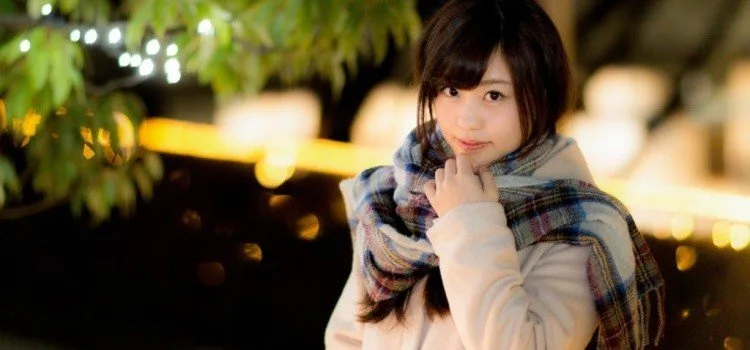
Body language is a form of non-verbal communication. It mainly encompasses gestures, posture, facial expressions, eye movement, and the proximity between people. If you spend time with Japanese people - at work, in a relationship, or while traveling - you quickly notice that this silent language carries more weight in Japan than in many Western countries: a smile, a lowered gaze, or the famous bow often says more than any spoken sentence.
This article is about exactly those signals. We will not go into the general gestures of everyday communication in Japan - we have already covered those in a separate piece. If, on the other hand, you want to know whether a person is romantically interested in you, we recommend reading How to know if a Japanese girl likes you as a companion read.

Contents 14
Why is Japanese body language important?
Gestures and facial expressions often say more than words. Even though body language is largely universal, it carries a tradition of movement that belongs to each culture. Knowing how Japanese people react in certain situations helps you make decisions, adjust your own behavior, and read the other person more accurately - in relationships, friendships, work, and travel.
If you can read Japanese body language, you pick up emotional signals and recognize signs of anxiety, anger, and threat. You also understand when someone is showing embarrassment, pride, or simple friendliness. Reading body language means watching the eyes, the posture, and the face. It is worth saying up front: this is not an easy skill, and you do not learn it in a day.
Another reason to study it is that Japan makes heavy use of facial expressions and gestures in daily life. Even in commercials and TV shows, you can feel lost if you do not understand the signals being shown. For that reason, mastering Japanese body language is just as important as mastering the spoken language itself.
What is Japanese body language like?
Japanese body language is quite different from the Western version. To understand it, you have to know how Japanese people tend to move and behave. The keys to what is often called Japanese elegance are movement, posture, and attitude.
Japanese people usually do not make abrupt movements or gestures when walking. They keep a clean posture, do not lean against walls, buildings, or light poles, do not hunch over tables in public, and tend to eat slowly, savoring each bite.
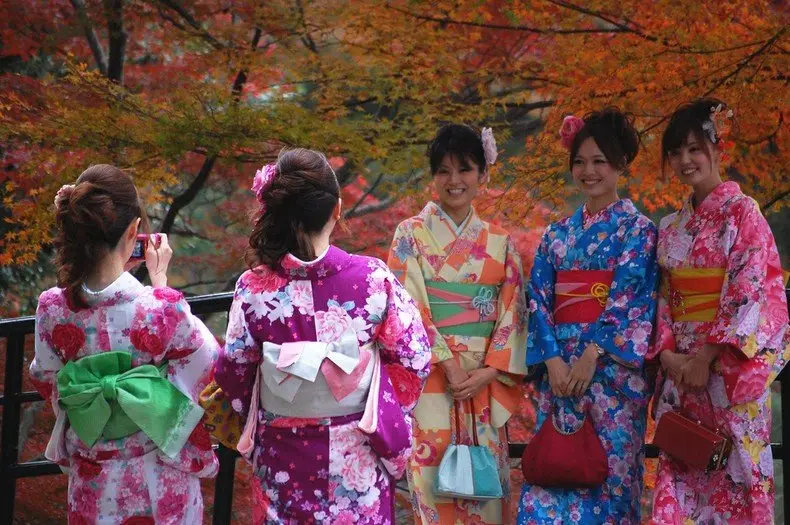
Good posture is a baseline expectation. It tells the person in front of you that you are respectful and attentive. As part of Japanese culture, bowing is an art form with several distinct meanings.
There are, of course, exceptions. Plenty of Japanese people do not care about these norms at all, and younger generations in particular tend to break some of them. The Japanese are discreet by default, which is exactly why their non-verbal signals can be hard to read.
Signs of Japanese body language
Some signals show up again and again in Japanese daily life. Here are the ones that come up most often in conversation and at work.
Smiling is not always joy
Japanese people smile to communicate a wide range of emotions: anger, embarrassment, sadness, and disappointment, depending on the context. When in doubt, do not read a smile as straightforward happiness; look at the eyes and the situation around it.
Silence as an answer
Silence in Japan is golden, and is often used as a negotiation tactic. In the middle of a conversation, it can mean agreement, disagreement, shock, challenge, stubbornness, or shyness. Letting a silence sit is part of the rhythm of a Japanese exchange.
Crossed arms
A person with crossed arms and a lowered gaze is usually deep in thought. If the same person crosses their arms while holding eye contact, the meaning flips: it tends to signal disagreement or challenge.

Universal body language
No matter the culture, if you want to know whether someone is showing interest, watch the face, the small hair touches, the open posture, and the proximity. Most of these gestures happen without the person being aware of them, so it helps to have a basic universal vocabulary of body language to read them with.
How to tell if a person is interested
Shyness as a clue
Watching for shyness is one of the simplest ways to gauge interest. If someone becomes visibly shy around you, chances are that they are interested.
Reactions to your own moves
If you are trying to read body language to win someone over, you have to take action and make the first move. A simple example: take the person's hand while crossing a busy street and watch the reaction (of course, only with someone you already know). If they resist or pull away afterwards, they are not interested. The point is that the reaction to your move tells you more than the move itself, and with that information they may start showing more signs of interest.
I want to talk
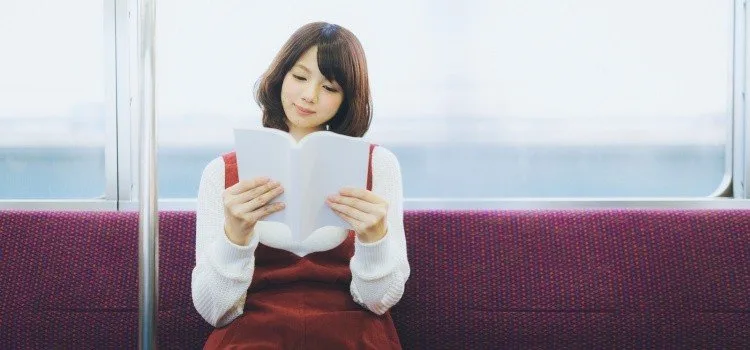
Japanese people are shy and rarely start a conversation with a stranger. In that context, if someone of the opposite sex smiles at you, it can be an opening. Some go a little further: if you are on a train and the person next to you picks up an English book and starts reading, they are effectively saying: hi, how are you, and where are you from?
When the person does not want to talk
An open hand behind the head or neck usually signals embarrassment and a wish to leave the situation. Sometimes they will say something like do kana (how will it be?). If you are drinking together and you say something and they stay silent for more than three seconds before taking a slow, deliberate sip, they may be signaling that the conversation is over. When someone waves a hand at you as if swatting a fly, the message is the same: please stop talking to me.
Gestures to avoid in Japan
Some gestures can mark you as suspicious or rude. Making direct eye contact, for example, is considered impolite, can create discomfort, and is sometimes read as aggression. If someone looks away from you, it does not mean they are interested or uninterested; it is simply not common to hold eye contact, especially with strangers.
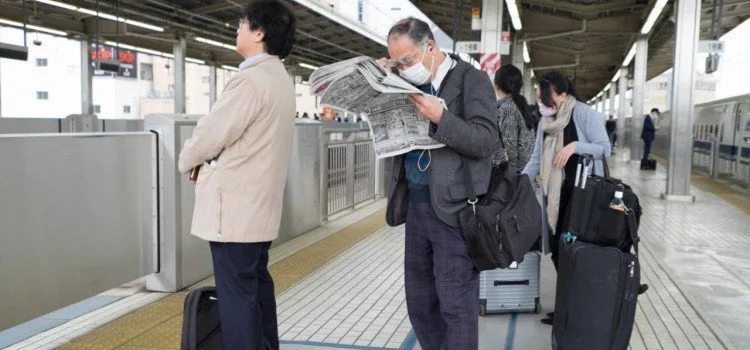
If you are in a restaurant, stay quiet and do not scan the room with your chin up; it can make you look like you are about to start a fight, or worse, like a security threat. Biting your nails, chewing on pens, or chewing on pencils is also not done in Japan and is generally frowned upon. Putting your hands in your pockets gives the impression of bad intentions. Hands in pockets combined with leaning against a wall, especially with the feet pushed forward, is an image that Japanese people often associate with the yakuza (mafia). And never point with your finger: if you want to point at something, use your whole open hand instead.
Showing anger through facial expressions, gestures, or crossed arms is also considered quite rude. If you are losing your temper, it is better to leave the place and come back when you have calmed down. Japanese people also value space, and being too close to others or touching them in public can be read as a real violation.
Two final points to keep in mind: do not sneeze or blow your nose in public, which is one of the reasons masks are so common in Japan. And whenever you receive a business card, take it with both hands as a sign of respect. Used together, these small gestures are part of the same silent language that the rest of the article is about.
Final thoughts
Japanese body language is not a separate code to crack: it is the same set of signals - eyes, posture, hands, distance, silence - that everyone uses, only weighted a little differently. The bow (ojigi) is the most famous of these signals, but the everyday details matter at least as much: how long you hold eye contact, how close you stand, whether you keep your hands visible, whether you smile in a moment of embarrassment rather than explain it. Once you start noticing them, you stop reading Japanese interactions as cold or unreadable and start seeing them as a quiet, well-practiced way of being polite.




Community
Comments
0 comments
There are no published comments in this language yet.
Send comment