
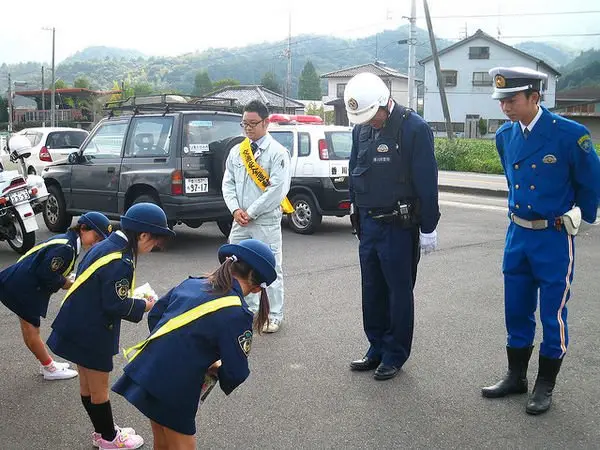
Sometimes, understanding the difference between some Japanese words can feel like a maze, right? You've probably seen people ask about onegai and kudasai, but another pair trips learners just as often: sumimasen and gomennasai. Both show up in subtitles as “sorry,” yet they don’t cover the same social ground.
Right off the bat, sumimasen (すみません) and gomennasai (ごめんなさい) can translate as “sorry,” “excuse me,” “I’m sorry,” or even “forgive me.” They are not interchangeable in every situation. One is a versatile public courtesy word; the other is a clearer admission that you did something wrong.
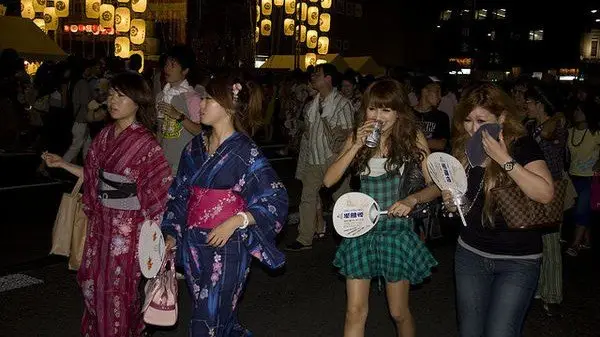
A simple picture helps. In a crowded train, you say sumimasen to slip past someone (like “excuse me”). If you step on their foot, gomennasai is the “sorry!” that owns the mistake. The rest of this page unpacks when each form fits, how casual variants sound, and what to use when a light apology is not enough.
Contents 4
What does sumimasen mean?
Sumimasen is one of the most flexible words in everyday Japanese. It works as “excuse me,” “sorry,” and, in many real situations, a humble “thank you.” Whenever you cause a small inconvenience, interrupt, or need someone’s attention, sumimasen is usually safe.
It is more formal than gomennasai and carries respect. Speakers use it with strangers, older people, and people above them at work or school. Adults often prefer it in public, while younger people may switch to shorter casual forms with friends. Because it acknowledges the other person’s trouble, it can also thank someone for going out of their way — closer to “sorry for the bother, and thank you” in one breath than a plain arigatou.
Common moments for sumimasen:
- Getting a server’s attention in a restaurant
- Asking someone to let you pass on a train or sidewalk
- Asking a stranger to repeat something: “Sumimasen, mō ichido onegai shimasu”
- Being a little late for a minor appointment (light apology)
- Receiving help that put someone out — said with gratitude, not only guilt
For something already done that still needs a more careful apology, sumimasen deshita (すみませんでした) adds past tense weight: you are owning a finished inconvenience more clearly.
Informal versions exist too: suman (すまん) and sumanai (すまない). They sound rough or friendly depending on the speaker and work among close friends — not with customers, teachers, or strangers. You may also hear the spoken shortening suimasen (すいません); learners are usually safer sticking with the standard sumimasen.
What does gomennasai mean?
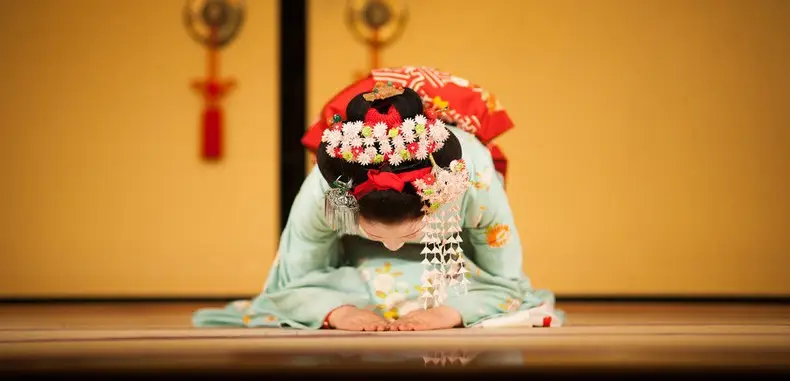
Gomennasai is a more direct apology. You use it when you actually did something wrong or caused real discomfort — especially with friends, family, classmates, or colleagues in informal settings. It does not double as “thank you.” Its job is to admit fault and ask for forgiveness.
Among young people and close relationships, shortened forms are everywhere: gomen ne (ごめんね) softens the tone with warmth or playfulness, and gomen (ごめん) is the shortest casual “sorry.” Kids and teens use them all day for small slips. Gomen ne can sound light or even flippant if the mistake is serious, so match the form to how big the problem is.
Typical gomennasai territory:
- Breaking or damaging something that belongs to someone else
- Being late to a personal meetup and owning the delay
- Hurting a friend’s feelings after a quarrel
- Stepping on someone’s foot, spilling a drink, or a similar direct mishap with people you know
For serious or formal situations, step up to mōshiwake arimasen (申し訳ありません) or mōshiwake gozaimasen (申し訳ございません). These fit workplaces, customer service, and public apologies, often with a deeper bow. They are the default when gomennasai would sound too casual or even rude.
Quick rule of thumb: with strangers and public manners, reach for sumimasen. When you clearly messed up with someone close, use gomennasai. In business for real mistakes, prefer mōshiwake arimasen over both.
Sumimasen vs gomennasai at a glance
| Point | Sumimasen | Gomennasai |
|---|---|---|
| Core feel | Excuse me / soft apology / humble thanks | Sorry for what I did wrong |
| Relationship | Strangers, superiors, public life | Friends, family, informal circles |
| Business | OK for light friction; not for major failures | Usually avoid — too casual |
| Can mean thank you? | Yes, when someone was troubled for your sake | No |
| Casual forms | suman, sumanai, suimasen | gomen, gomen ne |
| Stronger formal option | sumimasen deshita; mōshiwake… | mōshiwake arimasen / gozaimasen |
One nuance learners miss: sumimasen can still apologize sincerely for real mistakes with people you are not close to. The contrast is not “sumimasen is fake and gomennasai is real.” It is that gomennasai points more squarely at personal wrongdoing and is socially closer, while sumimasen covers attention, passage, small public friction, and that Japanese blend of apology-plus-thanks.
Practical summary
- Use sumimasen when you cause a slight inconvenience, need permission or attention, pass through a crowd, or thank someone who went out of their way.
- Use gomennasai when you made a clear mistake or caused discomfort, especially with people you know well.
- Do not lean on gomennasai in formal business; reach for mōshiwake arimasen or mōshiwake gozaimasen when the stakes are high.
- Match casual shortenings to the relationship — gomen with a close friend is natural; the same word to a customer is not.
If the pair still feels fuzzy, start safe: sumimasen with people you do not know well, gomennasai with close friends when you are clearly at fault, and formal keigo-style apologies at work. For a wider map of apology phrases beyond these two, see 23 ways to apologize in Japanese.





Community
Comments
0 comments
There are no published comments in this language yet.
Send comment