
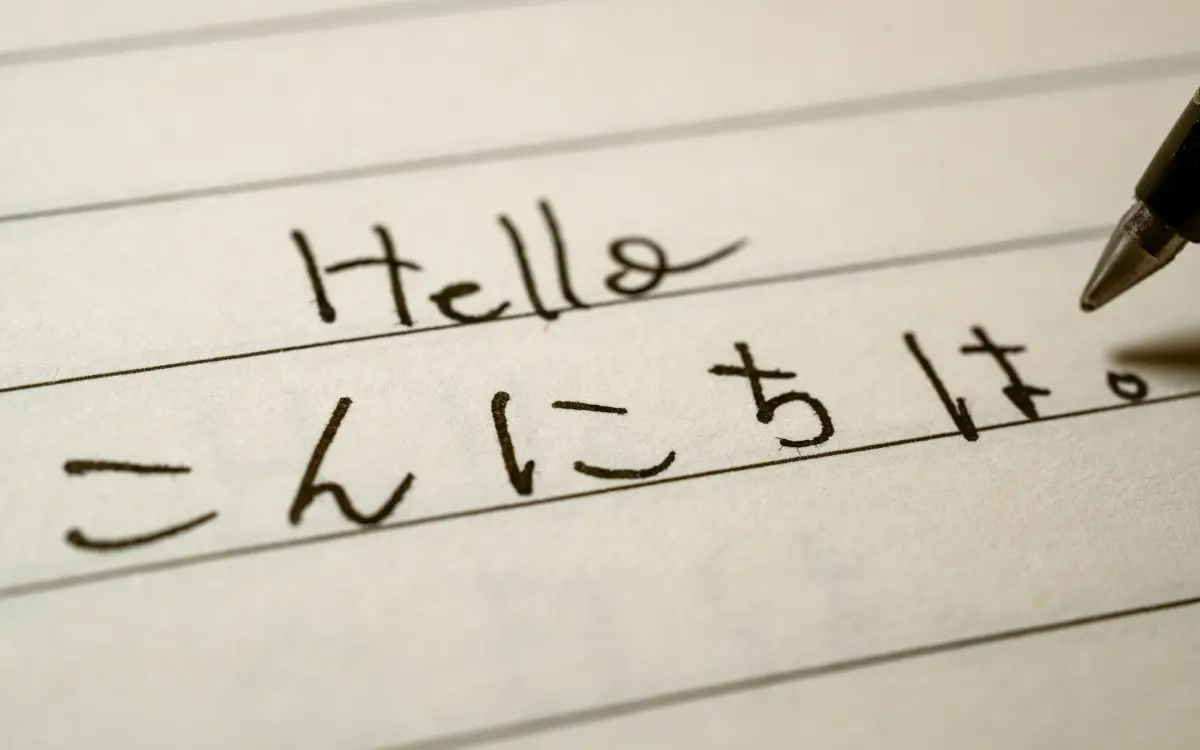
You may have heard the word gozaimasu [ございます] in expressions like ohayou, omedetou, and arigatou gozaimasu. So what the hell does the expression gozaimasu mean? Many claim it means "very" as in thank you very much (arigatou gozaimashita), but does it really mean that?
The word go-za-i-ma-su (御座います) is composed of the ideograms honorable [御] and position [御] and is usually written only in hiragana. The main meaning of the word is to be, to exist, or to have. This word is mainly used in keigo, instead of arimasu [あります] or desu [です].
Its appearance in expressions like thank you very much or congratulations gives a strong impression, but in reality, it expresses humility and politeness. Using these expressions without gozaimasu is common when we are among friends or close people where we do not need to use formality.

Gozaru - The origin of Gozaimasu
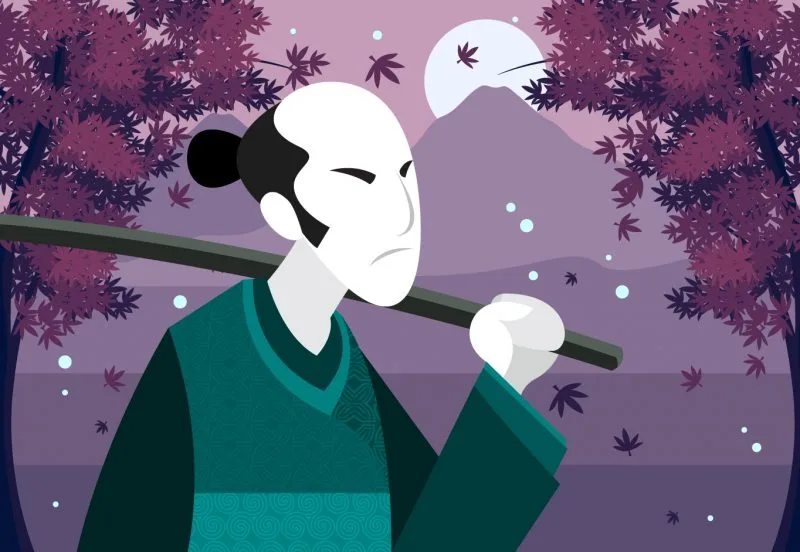
To understand the true meaning of gozaimasu (ございます), we must first understand its origin. The word gozaimasu is nothing more than a formal version of the verb gozaru [御座る], which is the verb to be (in English, the famous verb to be). If you have watched anime or samurai movies, you must have heard phrases ending in gozaru repeatedly.
In the past, gozaru was literally the polite form of aru;iru [ある;いる], but it was used for both people and inanimate objects. Currently, gozaru is only used in Japanese in the forms gozaimasu, gozaimashita, gozaimashitara, and the famous desu, which is a contraction of degozaru (でござる).
Sometimes when we talk about the verb to be in Japanese, some have misconceptions. To try to simplify the being of the verb gozaru and its derivatives, we can compare it to the sign of [=] in sentences where we are saying things like [My name = Kevin]. I think I don't even need to mention that gozaimashita is the past form of gozaru in the masu form.

Using the expression gozaimasu
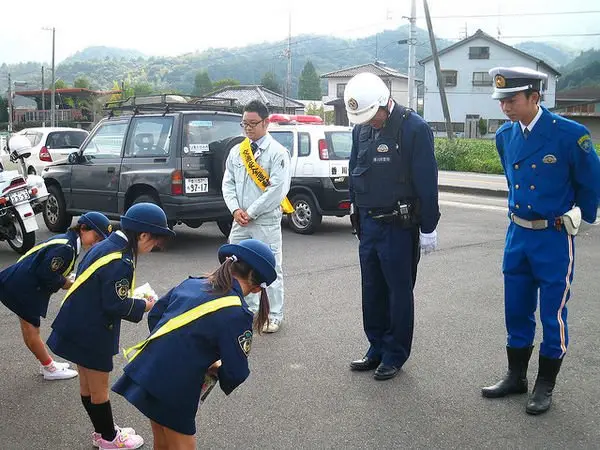
You won't hear the verb gozaimasu only when saying good morning, thank you, or congratulations. If you go to a restaurant, the employees there will probably use keigo and say gozaimasu instead of aru. To conclude the article, we will leave some example sentences for you to understand more about this subject:
Responsive Table: Scroll the table sideways with your finger >>
| Portuguese | Japanese | Romaji |
| We have something special for you, sir. (dish) | 特別料理がございますが。 | Tokubetsu ryōri ga gozaimasuga. |
| Do you have any particular style in mind? | 特にお望みの型はございますか。 | Tokuni o nozomi no kata wagozaimasuka. |
| This is an operator. | 交換台でございます | Kōkandai degozaimasu |
| Do you have any message? | 何かご伝言はございますか。 | Nanika go dengon wagozaimasuka. |
| We have safes | セーフティーボックスがございます。 | Sēfutībokkusu gagozaimasu. |
| How many pieces of luggage do you have? | お荷物はいくつございますか。 | O nimotsu wa ikutsu gozaimasuka. |
| We also have some local wines. | いくつかこの土地のワインもございます。 | Ikutsu ka kono tochi no wain mogozaimasu. |



Community
Comments
0 comments
There are no published comments in this language yet.
Send comment