
The immigration counter in Japan is short—and that is exactly why it feels intense. After a long flight, it often comes down to passport out, fingers on the scanner, and one calm question in English or Japanese that suddenly matters more than your whole itinerary.
Many nationalities can enter for short stays without applying for a visa in advance. That does not mean free passage: officers can still ask about the purpose of the trip, how long you will stay, and where you will sleep. Below are common questions with useful Japanese answers, plus what actually helps at the desk today—including Visit Japan Web.
Contents 7
What happens at the immigration desk?
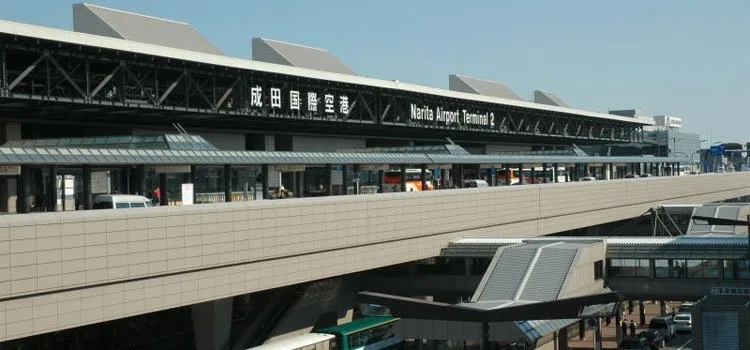
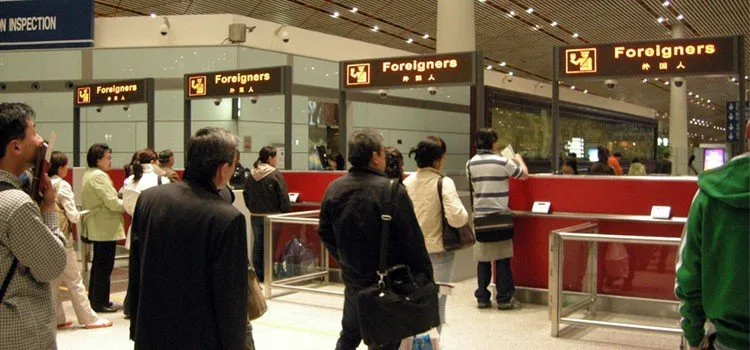
At major airports such as Narita, Haneda, or Kansai, follow the signs for foreign passport control. You will usually need your passport, your first address in Japan, and—if you prepared it—the QR code from Visit Japan Web. Completing the online forms is not mandatory for every traveler, but it often replaces paper arrival and customs cards and speeds up the line.
Fingerprints and a photo are standard for most foreign arrivals (with limited exceptions such as children under 16). Clear, polite, consistent answers land better than a memorized speech. If the officer switches to Japanese, the phrases below keep you from freezing.
What is the purpose of your trip?
The officer may ask: What is the purpose of your trip?
なにをするために来ましたか?
Nani o suru tame ni kimashita ka?
You can answer:
- 観光目的です。 (Kankou mokuteki desu.) — I am here for tourism.
- ビジネスで来ました。 (Bijinesu de kimashita.) — I came for business.
- 留学生として来ました。 (Ryuugakusei toshite kimashita.) — I came as an international student.
- 友達や家族を訪ねに来ました。 (Tomodachi ya kazoku o tazune ni kimashita.) — I am visiting friends or family.
Other tourism wording:
- 観光で来ました。 (Kankou de kimashita.)
- 観光客として訪れています。 (Kankoukyaku toshite otozureteimasu.)
Your stated purpose should match your documents and the length of stay you request. Paid work, long-term study, or residency paths are not the same as a short tourist visit—those usually need the correct status arranged before travel. For a broader map of categories, see the guide to types of Japanese visas.
How long will you stay?
The officer may ask: How long will you stay?
どのくらい滞在しますか?
Dono kurai taizai shimasu ka?
Useful answers:
- 約 [日数/週間/月数] 滞在予定です。 (Yaku [nissuu/shuukan/gessuu] taizai yotei desu.) — I plan to stay about [duration].
- 観光で [日数/週間/月数] 滞在します。 (Kankou de [nissuu/shuukan/gessuu] taizai shimasu.) — I will stay for tourism for about [duration].
- 滞在期間は[期間]です。 (Taizai kikan wa [kikan] desu.) — My period of stay is [period].
If you mean about 90 days or three months:
- 90日間滞在する予定です。 (Kyuujuu nichi kan taizai suru yotei desu.)
- 3ヶ月間滞在します。 (Sankagetsu kan taizai shimasu.)
Many visa-exempt visitors receive Temporary Visitor status for up to 90 days. That permission is decided at landing; it is not an automatic extension later. If you are thinking about staying longer, read how extending a stay in Japan actually works before you rely on it.
Where will you stay?
The officer may ask: Where do you plan to stay?
どこに滞在予定ですか?
Doko ni taizai yotei desu ka?
- ホテル [ホテルの名前] に宿泊予定です。 (Hoteru [hoteru no namae] ni shukuhaku yotei desu.) — I plan to stay at Hotel [name].
- 友達の家に滞在します。 (Tomodachi no ie ni taizai shimasu.) — I will stay at a friend’s house.
- ユースホステルやゲストハウスに泊まります。 (Yuusu hosuteru ya gesuto hausu ni tomarimasu.) — I will stay in hostels or guesthouses.
Have the first address ready: hotel name, city, and a booking confirmation or host address if asked. Those details also go on the arrival form or in Visit Japan Web, so the counter conversation should match what you already submitted.
Other questions you may hear
Officers may also ask shorter checks—or customs may follow with luggage-related questions:
どちらから来ましたか?
Dochira kara kimashita ka?
Where are you coming from?
どのくらいの予算を持っていますか?
Dono kurai no yosan o motteimasu ka?
How much money do you have for this trip?
どこに行く予定ですか?
Doko ni iku yotei desu ka?
Where do you plan to go?
日本での滞在先はどこですか?
Nihon de no taizai-saki wa doko desu ka?
Where will you stay in Japan?
荷物に何か申告すべきものはありますか?
Nimotsu ni nanika shinkoku subeki mono wa arimasu ka?
Is there anything you need to declare in your luggage?
職業は何ですか?
Shokugyou wa nan desu ka?
What is your occupation?
これは初めての日本訪問ですか?
Kore wa hajimete no Nihon houmon desu ka?
Is this your first visit to Japan?
Do you plan to visit other cities?
他の都市も訪れる予定ですか?
Hoka no toshi mo otozureru yotei desu ka?
Answers:
はい、他の都市も訪れるつもりです。
Hai, hoka no toshi mo otozureru tsumori desu.
Yes, I intend to visit other cities.
今のところは具体的には決まっていません。
Ima no tokoro wa gutaiteki ni wa kimatteimasen.
I do not have specific plans at the moment.
What to keep ready before you reach the officer
You do not need a dramatic story—just consistency. Helpful items often include:
- Passport valid for the whole trip
- Return or onward ticket when asked
- First hotel booking or host address (name, city, phone if available)
- Visit Japan Web QR codes for immigration and customs if you registered online
- Proof of funds only if the officer digs deeper (cash, cards, or bank access you can explain calmly)
Answer briefly, match English and Japanese versions of the same facts, and stay polite even if the line is slow. Temporary visitors cannot take paid work; if your real plan is work, study, or long residence, fix the status before you fly rather than improvising at the counter.
Remember: speak clearly, keep documents handy, and treat every answer as something that should still make sense if the officer asks a follow-up. That is usually enough to turn a tense thirty seconds into a normal landing.



Community
Comments
0 comments
There are no published comments in this language yet.
Send comment