
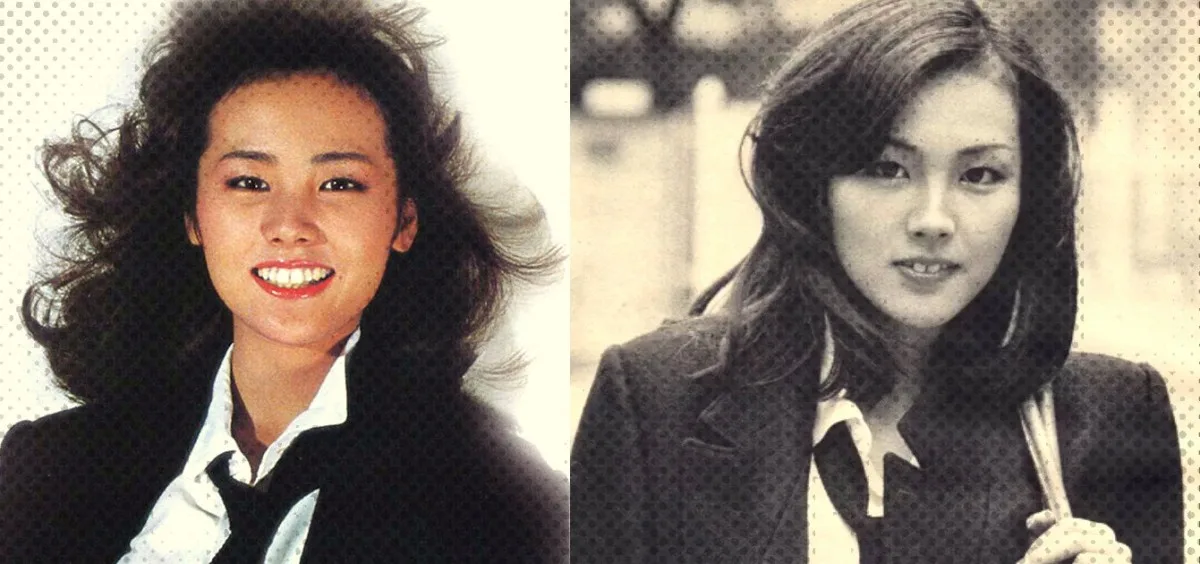
In diesem Artikel lernst du Miki Matsubara kennen, eine der bekanntesten Stimmen des japanischen Pop. Sie starb leider viel zu jung, doch ihr größter Hit Stay With Me lebt bis heute weiter.
Stay With Me machte Miki Matsubara weltweit bekannt. Der Song wurde zu einem Klassiker des japanischen Pop und erlebte durch TikTok eine neue Welle der Aufmerksamkeit.
Wenn du japanische Musik besser einordnen möchtest, lohnt sich auch unser Artikel über die Unterschiede zwischen K-Pop und J-Pop. Und wer sich generell für Musik aus Japan interessiert, kann auch Enka-Musik entdecken.
Contents 7
Biografie von Miki Matsubara
Miki Matsubara wurde 1959 in Kishiwada bei Osaka geboren. Schon früh kam sie durch ihre Mutter mit Musik in Kontakt, die bereits bei Jazzauftritten mitgewirkt hatte. Aus diesem Umfeld heraus begann Miki schon als Kind, eigene Songs zu entwickeln.
Der große Wendepunkt ihrer Karriere war jedoch Stay With Me (japanisch Mayonaka no Door). Der Song wurde zur wichtigsten Aufnahme ihrer Laufbahn und machte ihren Namen weit über Japan hinaus bekannt.
Karriere und Diskografie
Miki Matsubara war eine talentierte Sängerin mit starker Ausstrahlung, markantem Stil und einer sehr besonderen Stimme. Vor allem in den frühen 1980er-Jahren war sie in Japan äußerst aktiv und veröffentlichte zahlreiche Songs und Alben.
Zwischen 1979 und 1985 brachte sie rund 14 Singles und 9 Studioalben heraus. Auch in den späten 1980er-Jahren blieb sie musikalisch präsent und erfolgreich.
Ihre Diskografie:
Studioalben
- [21. Januar 1980] POCKET PARK
- [21. September 1980] Who are you?
- [21. April 1981] -Cupid-
- [21. März 1982] Myself
- [5. Dezember 1982] Aya (彩)
- [21. September 1983] REVUE
- [21. Mai 1984] Cool Cut
- [21. Juni 1985] LADY BOUNCE
- [21. Mai 1988] WiNK
Coveralbum
- [21. Oktober 1984] BLUE EYES
Singles
- [5. November 1979] Mayonaka no Door ~Stay With Me (真夜中のドア~Stay With Me)
- [5. Dezember 1979] Ai wa Energy (愛はエネルギー)
- [21. April 1980] Hello Today (ハロー・トゥデイ~Hello Today)
- [5. September 1980] Aitsu no Brown Shoes (あいつのブラウンシューズ)
- [5. Februar 1981] Neat na Gogo Sanji (ニートな午後3時)
- [5. Juli 1981] Shiawase ni Bonsoir/ Bonsoir L'amour (倖せにボンソワール Bonsoir L'amour)
- [5. Dezember 1981] Jazzy Night
- [21. Februar 1982] SEE-SAW LOVE
- [21. September 1982] Yogen (予言)
- [25. April 1983] Paradise Beach (Sophie no Theme) (Paradise Beach(ソフィーのテーマ))
- [21. September 1983] Sweet Surrender (Sweet サレンダー)
- [21. Mai 1984] Knock, Knock, My Heart
- [21. Juni 1985] Koisuru Season ~Irokoi koi~ (恋するセゾン ~色恋来い~)
- [21. Februar 1987] SAFARI EYES (サファリ アイズ SAFARI EYES)
- [21. Mai 1988] IN THE ROOM
- [21. Januar 1991] THE WINNER
Quelle: Wikipedia
STAY WITH ME - Liedtext auf Japanisch
Hier ist ein kurzer Ausschnitt mit Romaji und japanischem Original.
ROMAJI (LATEINISCHES ALPHABET)

To you
Yes, my love
To you
Yes, my love
To you, you
To you

Watashi wa watashi anata wa anata to
yuube itteta sonna ki mo suru wa
Gray no jaketto ni
mioboe ga aru koohii no shimi
aikawarazu na no ne
shoouindou ni futari utsureba

Stay with me
mayonakano doa o tataki
kaeranaide to naita
ano kisetsu ga ima me no mae

Stay with me
kuchiguse o iinagara
futari no toki wo daite
mada wasurezu daiji ni shiteita

koi to ai to wa chigau mono da yo to
yuube iwareta sonna ki mo suru wa
nidome no fuyu ga kite
hanareteitta anata no kokoro
furikaereba itsumo
soko ni anata wo kanjiteita no

Stay with me
mayonakano doa o tataki
Kokoro ni ana ga aita
ano kisetsu ga ima me no mae

Stay with me
samishisa magirawashite
oita record no hari
onaji melody kurikaeshiteita
JAPANISCHES ORIGINAL

To you…yes my love to you
yes my love to you you… to you...

私は私 貴方は貴方と
昨夜言ってたそんな気もするわ
グレイのジャケットに見覚えがあるコーヒーのしみ
相変らずなのね ショーウィンドウに二人映れば

stay with me…真夜中のドアをたたき
帰らないでと泣いたあの季節が 今 目の前
stay with me…口ぐせを言いながら
二人の瞬間を抱いてまだ忘れず
大事にしていた

恋と愛とは違うものだよと
昨夜言われたそんな気もするわ
二度目の冬が来て離れていった貴方の心
ふり返ればいつもそこに貴方を感じていたの

stay with me…真夜中のドアをたたき
心に穴があいたあの季節が 今 目の前
stay with me…淋しさまぎらわして
置いたレコードの針同じメロディ繰り返していた
stay with me…真夜中のドアをたたき
帰らないでと泣いたあの季節が 今 目の前
stay with me…口ぐせを言いながら
二人の瞬間を抱いてまだ忘れず 暖めてた
Abschied
2001 wurde öffentlich bekannt, dass Miki an Gebärmutterhalskrebs erkrankt war. Drei Jahre später, 2004, starb sie im Alter von nur 44 Jahren.
Hat dir der Artikel gefallen? Dann lies auch unsere Beiträge über K-Pop und J-Pop sowie über japanische Musikinstrumente.




Community
Comments
0 comments
There are no published comments in this language yet.
Send comment