We already know that Japan is totally different from the West, which results in different beauty tastes. What is considered beautiful in Japan is completely different from what is considered in Brazil or other countries. The ikemen on a magazine cover and the man who clocks into a dark-suit office are rarely the same person.
I don't even need to make it clear that taste is something personal! So just because I'm mentioning something in the article, it doesn't mean it's 100% like that, especially with the westernization of the country, things are changing quickly and diversifying even more. For example, even sumo wrestlers in the past were considered sexy, they had beautiful wives. Nowadays, many young girls like boys who look like girls.
Contents3
How is a man considered handsome in Japan?
The word people actually use is ikemen (イケメン). It comes from iketeru (“cool”) plus menzu (“men”): a good-looking guy who looks put together, not a walking muscle contest. Some women find attractive those men with narrow eyes, thin lips, a narrow chin, and well-defined Asian features. Others like men who are somewhat Western, with round eyes and long eyelashes resembling Europeans. In Japan, there is no single macho mold; many Japanese women prefer gentle men.
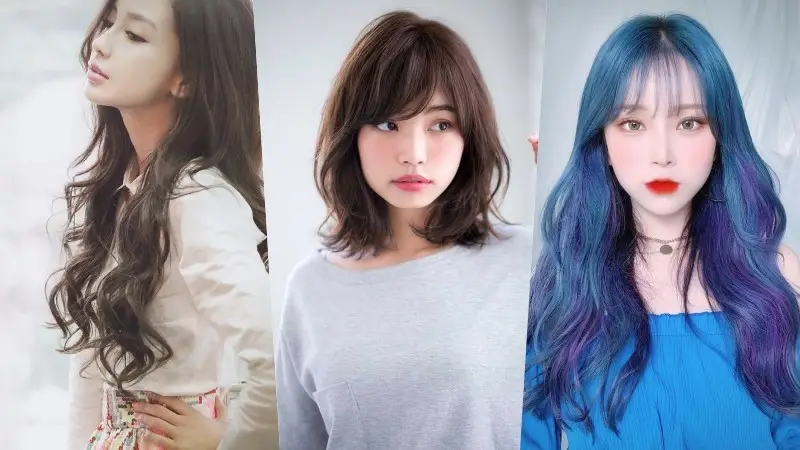
Women find men with smooth skin, androgynous looks, and elaborate dyed hair cute. One just needs to notice this style in the bands popular among young people. Some even claim that their hair should float! Even cooking skills have become a highlight that women notice in men. Today's women expect men to be sensitive, clean, and sexy, rather than rich.
In Japan, some men spend more money on cosmetics than women. They are increasingly obsessed with their skin. While in the past, samurai and sumo wrestlers shaved at least half of their heads, nowadays Japanese men dealing with baldness reach for products, medications, and even wigs. Beards, mustaches, and facial hair are not common. Facial hair often does not grow much on Japanese men, and it is also discouraged in workplaces. In a way, there are prohibitions and complaints about people with beards in various areas of Japan. Some resort to fake beards and mustaches to wear outside of work. Nowadays, more and more men are using bags, jewelry, and accessories.
A 2024 survey by Intage, with 5,000 people aged 15 to 79, found that about 60% viewed men's skincare and makeup favorably. Negative answers stayed under 10%, across age groups and genders. That is a long way from “makeup is only for women.” It is also not proof that half the country walks to the office in full makeup.
Salons, herbivore men, and what the look changed
This masculine idea of beauty has brought about various strange results, at least if you grew up on a Western macho script. Nowadays, there are men's beauty salons that offer body hair removal, skin cleansing, manicures, and even makeup classes. Among the most popular are facial treatments with mud, leg hair removal, and eyebrow shaping.
The same current got a name in 2006. Writer Maki Fukasawa coined sōshoku-kei (草食系), “herbivore type,” for young men who were not aggressive about romance and sex. She was not saying they had no relationships. She was pointing at a cooler, less pushy stance toward “desires of the flesh.” Magazines later flattened the word into “girly, no dating, no career.” Philosopher Masahiro Morioka describes herbivore men as kind and uninterested in hurting or being hurt.
This concept of male fashion has also been tied to herbivore men who do not like to drink, do not date and have sex as often, and are somewhat effeminate. Some men even buy bras and say they feel more relaxed. Others dress in women's clothing, even without being interested in men. Some even date and share clothes with their girlfriends, a look Japan calls osoroi. Even famous singers appear on stage wearing high-heeled shoes, sequined pants, and carrying teddy bears. That is a scene. It is not the commute.
In general, it is true that Japanese girls tend to like an androgynous figure in the style of visual kei. This concept of beauty is not something new, but also has cultural roots. We can observe this in kabuki theater. In the past, daimyos and famous masters were praised for their beautiful faces and makeup. So we can conclude that masculinity in Japan is not defined by physical bulk. And remember! This does not mean that all Japanese women like somewhat androgynous men, who are not the majority.
The look on stage and the man on the street
It is true that in Japan, large muscles and a tall, macho appearance are not necessary. But that does not mean that Japanese men do not possess aggressive and dominant attitudes. The long history of Japan and the samurai clearly shows how Japanese people are full of devotion, disciplined, confident, and hardworking. The problem is that some attitudes common in the West can be seen as rudeness. Japanese women do like bold and confident men, but they first look for sensitive, attentive, and elegant men.
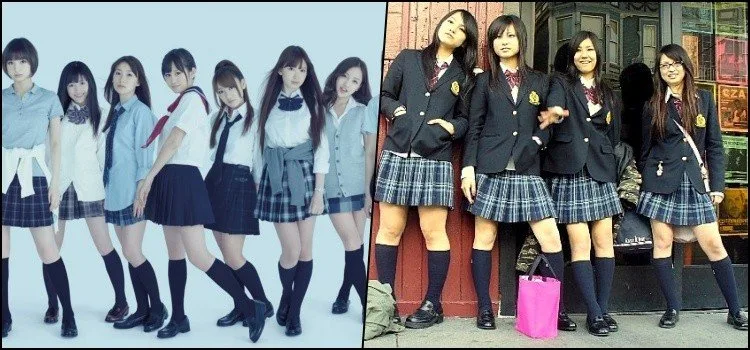
Even though this is the ideal man for many Japanese women, most men care little about a dramatic appearance. It is much more common to find Japanese men with neat hair and formal clothing than the concept we discussed in this article. Even young people in school are guided to follow a beauty standard, and this standard continues into adulthood at work. Most men that women consider beautiful and elegant are found more in the fashion, music, and dance areas with singers and idols. Since these men end up being unattainable for some women, they go to host clubs — male hosts for female customers, not hostess bars for men — where they sit with someone who actually dresses the part.
Japanese women and women in general look at a man's personality first and then his appearance. So it doesn't matter if we are handsome, have huge blonde hair, or wear colorful clothes that stand out. As long as we are well-groomed, we will be considered beautiful, even if it is just by one Japanese woman. Did you like the article? We would love to hear your comments. xD
Kevin Henrique has written about the Japanese language, culture, anime, games, and travel since founding Suki Desu in 2014. He first visited Japan in 2016.
Community
Comments
0 comments
There are no published comments in this language yet.

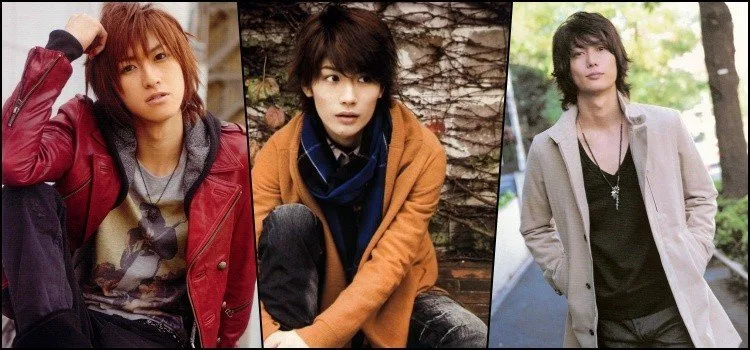
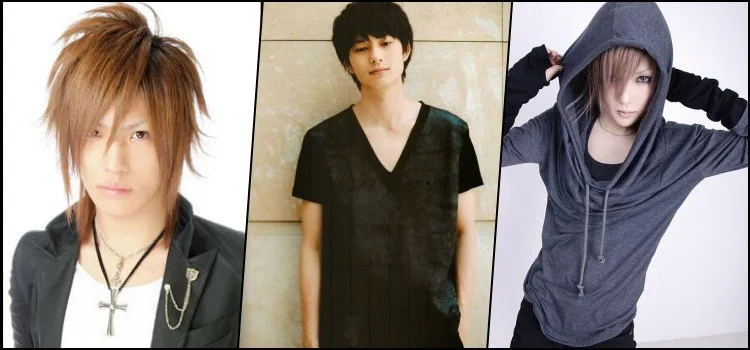 Women find men with smooth skin, androgynous looks, and elaborate dyed hair cute. One just needs to notice this style in the bands popular among young people. Some even claim that their hair should float! Even cooking skills have become a highlight that women notice in men. Today's women expect men to be sensitive, clean, and sexy, rather than rich.
In Japan, some men spend more money on cosmetics than women. They are increasingly obsessed with their skin. While in the past, samurai and sumo wrestlers shaved at least half of their heads, nowadays Japanese men dealing with baldness reach for products, medications, and even wigs. Beards, mustaches, and facial hair are not common. Facial hair often does not grow much on Japanese men, and it is also discouraged in workplaces. In a way, there are prohibitions and complaints about people with beards in various areas of Japan. Some resort to fake beards and mustaches to wear outside of work. Nowadays, more and more men are using bags, jewelry, and accessories.
A 2024 survey by Intage, with 5,000 people aged 15 to 79, found that about 60% viewed men's skincare and makeup favorably. Negative answers stayed under 10%, across age groups and genders. That is a long way from “makeup is only for women.” It is also not proof that half the country walks to the office in full makeup.
Women find men with smooth skin, androgynous looks, and elaborate dyed hair cute. One just needs to notice this style in the bands popular among young people. Some even claim that their hair should float! Even cooking skills have become a highlight that women notice in men. Today's women expect men to be sensitive, clean, and sexy, rather than rich.
In Japan, some men spend more money on cosmetics than women. They are increasingly obsessed with their skin. While in the past, samurai and sumo wrestlers shaved at least half of their heads, nowadays Japanese men dealing with baldness reach for products, medications, and even wigs. Beards, mustaches, and facial hair are not common. Facial hair often does not grow much on Japanese men, and it is also discouraged in workplaces. In a way, there are prohibitions and complaints about people with beards in various areas of Japan. Some resort to fake beards and mustaches to wear outside of work. Nowadays, more and more men are using bags, jewelry, and accessories.
A 2024 survey by Intage, with 5,000 people aged 15 to 79, found that about 60% viewed men's skincare and makeup favorably. Negative answers stayed under 10%, across age groups and genders. That is a long way from “makeup is only for women.” It is also not proof that half the country walks to the office in full makeup.
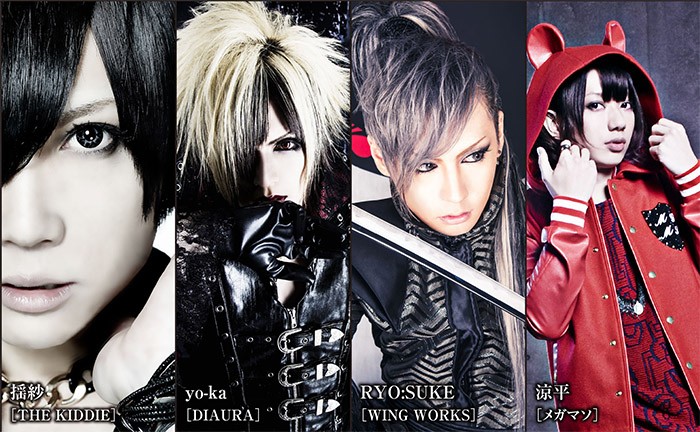
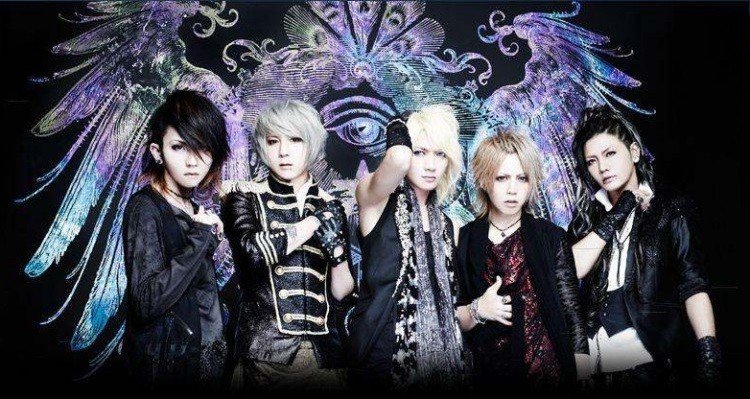 In general, it is true that Japanese girls tend to like an androgynous figure in the style of visual kei. This concept of beauty is not something new, but also has cultural roots. We can observe this in kabuki theater. In the past, daimyos and famous masters were praised for their beautiful faces and makeup. So we can conclude that masculinity in Japan is not defined by physical bulk. And remember! This does not mean that all Japanese women like somewhat androgynous men, who are not the majority.
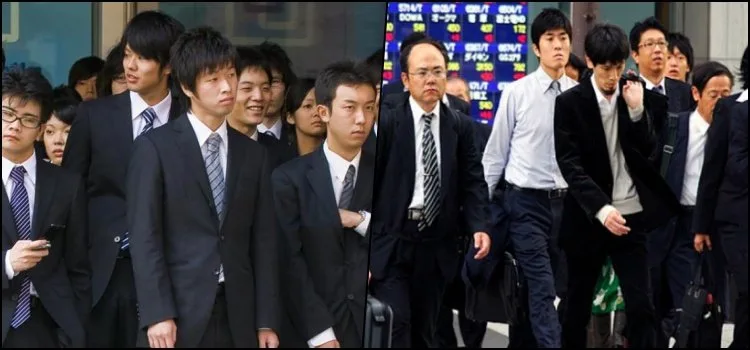 Even though this is the ideal man for many Japanese women, most men care little about a dramatic appearance. It is much more common to find Japanese men with neat hair and formal clothing than the concept we discussed in this article. Even young people in school are guided to follow a beauty standard, and this standard continues into adulthood at work. Most men that women consider beautiful and elegant are found more in the fashion, music, and dance areas with singers and idols. Since these men end up being unattainable for some women, they go to host clubs — male hosts for female customers, not hostess bars for men — where they sit with someone who actually dresses the part.
Japanese women and women in general look at a man's personality first and then his appearance. So it doesn't matter if we are handsome, have huge blonde hair, or wear colorful clothes that stand out. As long as we are well-groomed, we will be considered beautiful, even if it is just by one Japanese woman. Did you like the article? We would love to hear your comments. xD
Even though this is the ideal man for many Japanese women, most men care little about a dramatic appearance. It is much more common to find Japanese men with neat hair and formal clothing than the concept we discussed in this article. Even young people in school are guided to follow a beauty standard, and this standard continues into adulthood at work. Most men that women consider beautiful and elegant are found more in the fashion, music, and dance areas with singers and idols. Since these men end up being unattainable for some women, they go to host clubs — male hosts for female customers, not hostess bars for men — where they sit with someone who actually dresses the part.
Japanese women and women in general look at a man's personality first and then his appearance. So it doesn't matter if we are handsome, have huge blonde hair, or wear colorful clothes that stand out. As long as we are well-groomed, we will be considered beautiful, even if it is just by one Japanese woman. Did you like the article? We would love to hear your comments. xD


Community
Comments
0 comments
There are no published comments in this language yet.
Send comment