

At first glance, otokonoko can look like a simple Japanese word. Then the writing changes by one character, and the meaning starts to play tricks on the reader. That small switch is part of why 男の娘 has become so recognizable in manga, anime, and online fan culture.
The term is often translated too quickly. Its pop-culture use has a particular context, while a real person's identity belongs to that person. Keeping those two ideas apart makes the word easier to understand—and makes the conversation around it more respectful.
Contents 6
What does otokonoko (男の娘) mean?
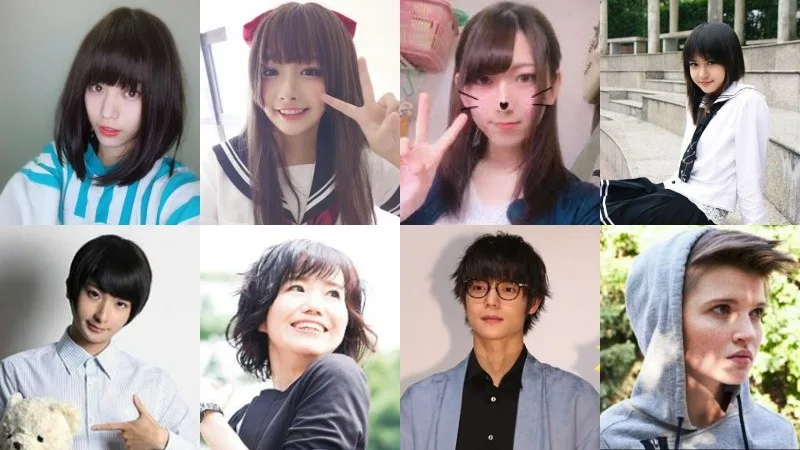
Otokonoko (男の娘) is a Japanese term used especially in pop culture for a male character, or sometimes a person, presented with a conventionally feminine appearance. The image may involve clothing, hairstyle, mannerisms, or a deliberately feminine character design. In fiction, the contrast between appearance and the information the story gives the audience is often part of the character's appeal.
English words such as femboy may overlap in some conversations, but they are not automatic one-for-one translations. The setting matters: a tag on a manga, a discussion of a character, and the language a real person chooses for themself are not the same thing.
The wordplay: 男の娘 and 男の子
The joke works because two expressions can be read as otokonoko. The ordinary word 男の子 means “boy”: 男 is “man” or “male,” の connects the words, and 子 means “child.” In 男の娘, 子 is replaced by 娘, a character associated with “daughter” or “girl.” The pronunciation stays close enough for the visual swap to do the work.
That is why the term is so at home in a medium where readers can see the kanji. Spoken aloud, the distinction can disappear; on a page, the changed character signals a playful reversal. It is a wordplay, not a clinical category and not a shortcut for deciding how somebody understands their own gender.
Otokonoko, cross-dressing, sexuality, and identity
Several ideas are often folded together when they should be separated. Josō (女装) refers to dressing in clothing conventionally associated with women. An otokonoko character may cross-dress, but the term in fan culture often puts more weight on the overall feminine presentation than on one outfit.
Gender expression, gender identity, and sexual orientation are also different things. Clothes and appearance do not reveal a person's identity or whom they are attracted to. A fictional label cannot answer those questions either. When the subject is a real person, the most accurate choice is to use the words and pronouns that person uses for themself.
This distinction also keeps a useful boundary between fiction and life. A trope may be built around surprise, costume, or a character's visual ambiguity; a real person's presentation is not a puzzle for strangers to solve.
Why the term is common in anime and manga
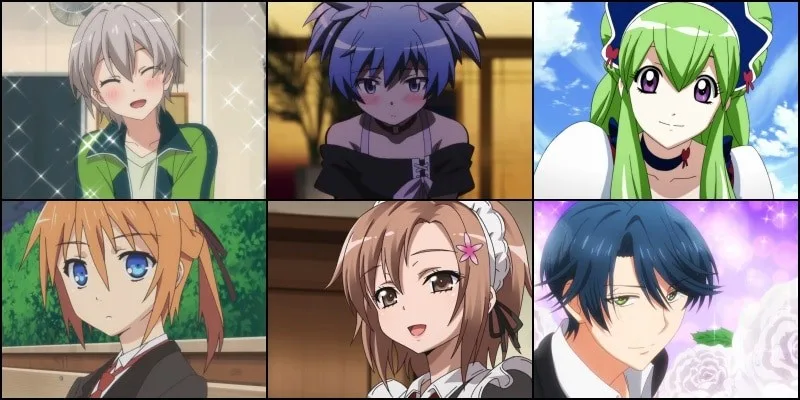
In anime, manga, visual novels, and games, otokonoko often functions as a character type. Writers may use it for comedy, romance, a school setting, a disguise, or a story about self-expression. The term became closely associated with otaku culture because illustrations and character designs make the visual side of the wordplay immediately legible.
That does not make every feminine male character an otokonoko, nor does it make every otokonoko story identical. Some works focus on fashion, some on a character's private confidence, and some on a romantic premise. Context is more useful than forcing every example into a single Western label.
Words that deserve extra care
Older fan discussions sometimes use labels that carry baggage outside their original niche. If you encounter them while reading about anime characters, treat the context carefully instead of carrying the label over to real people. Respectful language becomes especially important when a conversation shifts from a fictional trope to someone’s actual life.
A similar caution applies to broad statements about Japan. Fashion, performance, fandom, sexuality, and gender identity do not form one single attitude shared by everyone. Japan has a long history of staged gendered roles; kabuki theatre, for example, has its own traditions and vocabulary. The modern word otokonoko belongs to a much more specific pop-culture conversation.
For readers who run into older anime terminology, it also helps to distinguish a historical fandom label from the person or character being discussed. Our guide to the meaning of “anime trap” provides that narrower media context; it should never be treated as a label for transgender people.
A useful way to read the term
Read 男の娘 first as a piece of Japanese wordplay shaped by manga and fan culture. Notice the kanji, look at the work's context, and avoid assuming that appearance tells you a person's identity or sexuality. That approach preserves the fun of the term without flattening real people into a trope.
For Japanese learners, the pair 男の子 and 男の娘 is also a memorable example of how a single kanji can change tone, meaning, and cultural context at once. The sound may be familiar; the writing tells the fuller story.


Community
Comments
0 comments
There are no published comments in this language yet.
Send comment