
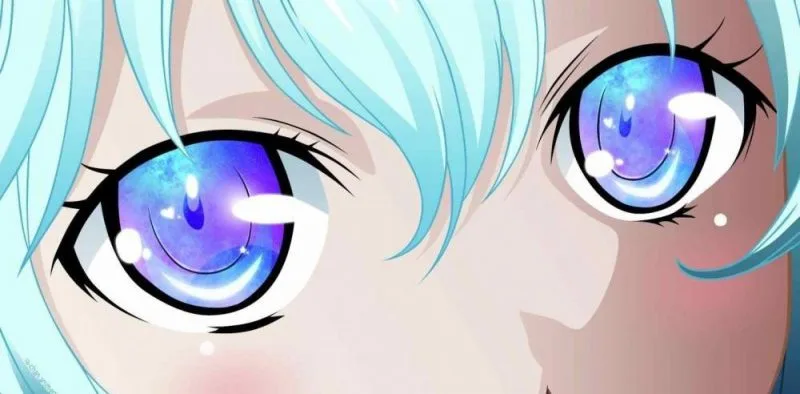
If you spend any time around anime, you have probably seen the word "trap" at least once. In the community it usually describes a male character with a very feminine or androgynous look that catches other characters (and the audience) off guard. There is also a less common "reverse trap", where a female character dresses or behaves in a stereotypically male way. This article walks through what the term really means, where it came from, the characters usually associated with it, and how the conversation around it has changed in recent years.
The word itself is just the English noun "trap". It started showing up on anime forums and imageboards like 4chan in the late 1990s and early 2000s, then spread through the international otaku scene in the 2000s. Outside of anime, though, the term is widely seen as hurtful and transphobic, because it reduces a person's identity to a "trick". In this article we use the word only in its historical, in-fiction sense, and pair it with the more neutral vocabulary the community has moved toward over the last few years.
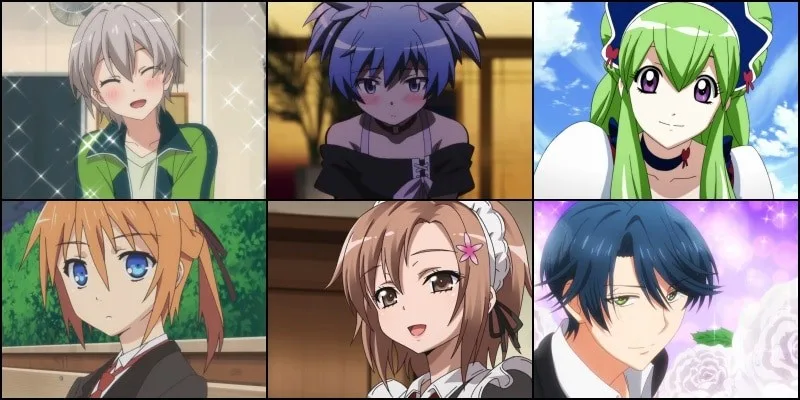
Today, the more common English-language term is femboy: a male character with feminine traits. For female characters with a masculine look, the fandom usually says tomboy. Both words describe how a character looks and feels on screen, without the mocking overtones of the older label.
Contents 18
What is an anime "trap" character?
Classic "trap" characters in anime are biologically male, but read as female at first glance: a small frame, a soft face, a high voice, a feminine outfit, or a particularly sweet vibe. The trope often shows up as a running gag, a playful twist, or the spark for a romantic mix-up. The point of the archetype is the surprise, not the character's sexual orientation.
A "trap" is not automatically gay, trans, or interested in romance at all. It is about looks and presence, not identity. Most anime use these characters as sympathetic or comedic figures rather than as sexual objects, and many of them end up quietly questioning gender clichés that the rest of the cast takes for granted.
Origin and history of the term
The label has its roots in the early imageboard era. On 4chan, 2channel and similar spaces, fans used it from the late 1990s onward to describe characters that "trapped" other characters (and viewers) into misreading their gender. By the 2010s the term had gone fully mainstream through memes, fan rankings and explainer articles like this one.
At the same time, a lot of pushback grew inside the community. Many fans argued that the word was disrespectful to trans people, because it frames gender expression as deception. On Reddit, Twitter/X, Discord servers and most major English anime forums, you'll now see the term moderated, and alternatives like femboy character or androgynous character are preferred. The shift is visible in Japan as well, where writers and editors are more careful with similar language than they were ten or fifteen years ago.
Famous "trap" characters in anime
Below is a selection of characters that fandom lists tend to bring up most often when this topic comes up. It is an entry point, not a definitive ranking, and it intentionally mixes classic and more recent examples.
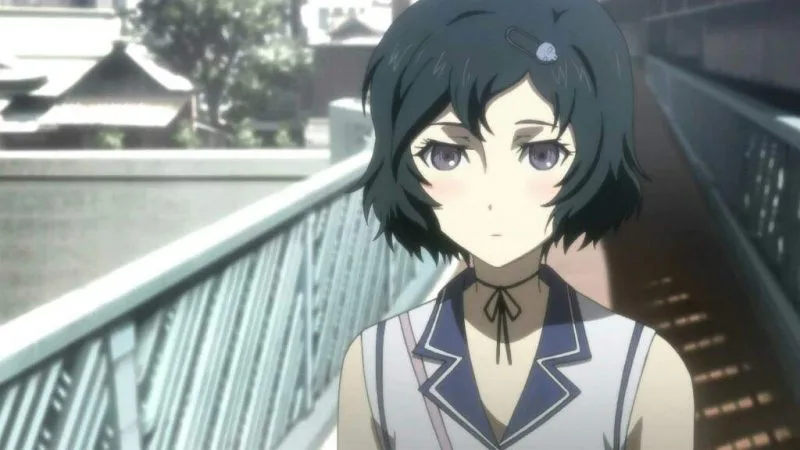
Ruka Urushibara – Steins;Gate
Ruka Urushibara from Steins;Gate is one of the most cited examples of the archetype. Okabe Rintarou makes it clear very early that Ruka is biologically male, but the character is so gentle and pretty that plenty of viewers still do a double take. In one of the series' most famous routes, the characters send a message back in time to Ruka's mother, and Ruka is born as a biological girl, one of the rare cases where the transformation is actually part of the plot.
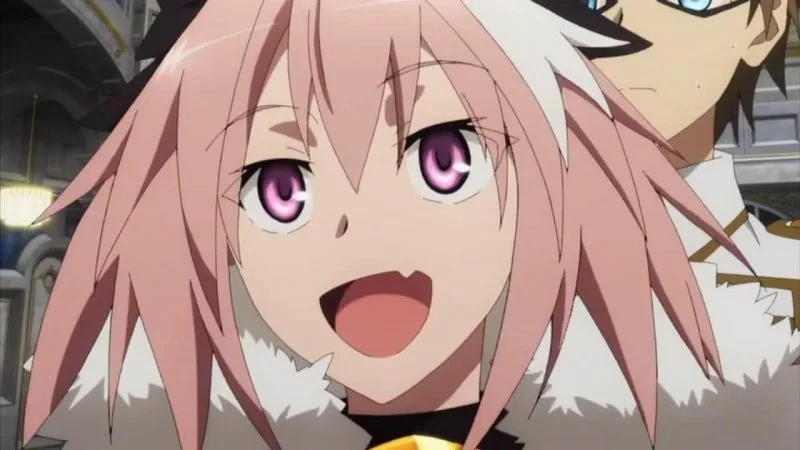
Astolfo – Fate/Apocrypha
Astolfo from Fate/Apocrypha is probably the most debated "best girl" of the Fate franchise. The character is biologically male, but Astolfo's bright pink hair, cheerful energy and rounded design have led fans to vote the character into top spots in several unofficial "Best Girl" rankings, which is exactly the kind of playful confusion the archetype is built for.
Felix Argyle – Re:Zero
Felix Argyle (known as Ferris in the Japanese original) from Re:Zero is one of the most iconic androgynous characters of the 2010s. Felix wears a blue dress, a ribbon and cat ears, and is so convincingly feminine that a lot of viewers did not realize the character was male until well into the series.

Hideyoshi Kinoshita – Baka and Test
Hideyoshi Kinoshita from Baka to Test to Shoukanjuu is so androgynous that other characters regularly mistake him for a girl, even when he is wearing a standard school uniform. He is the brother of Yuuko Kinoshita and one of the most popular characters in his series, mostly because of how often this joke pays off.
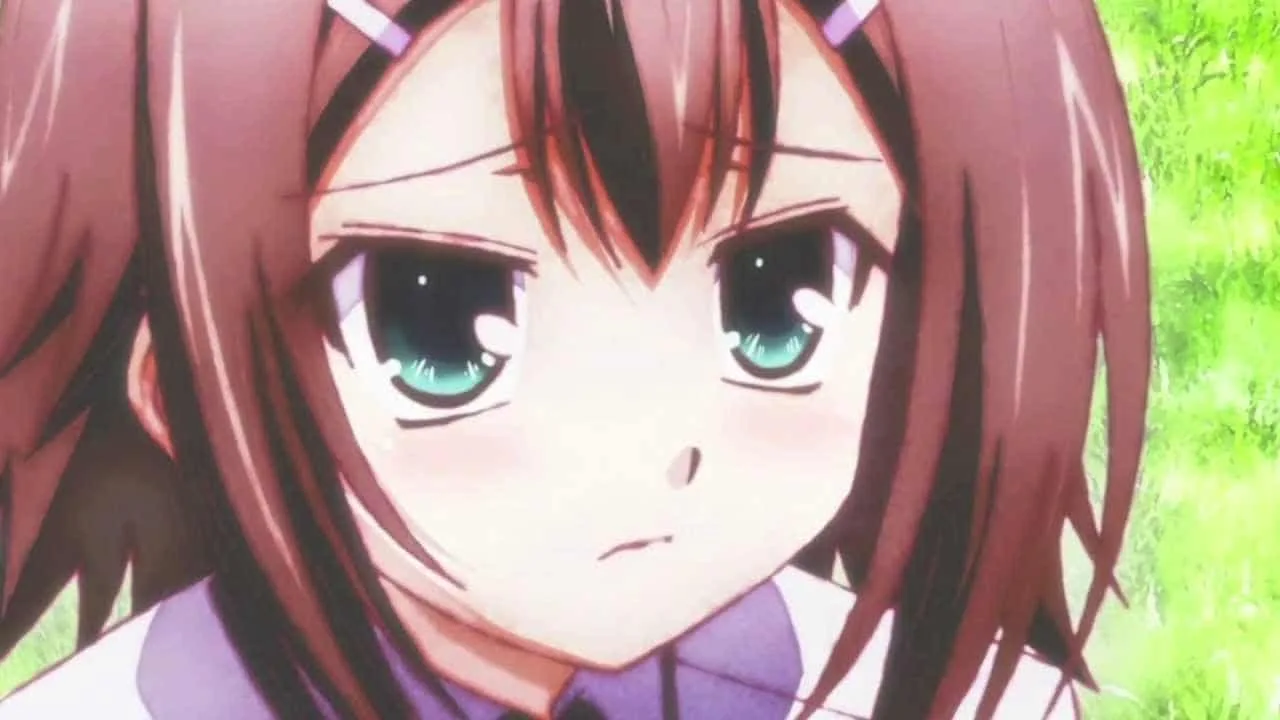
Hideri Kanzaki – Blend S
Hideri Kanzaki from Blend S is a more recent example that came up a lot in 2010s fan discussions. Hideri wants to be an idol, dresses and presents as female, and runs a café as part of the show. The whole series plays with the gap between Hideri's male biology and very feminine day-to-day life, and most of the comedy comes from the cast reacting to that gap.
Seiko Kotobuki – Lovely Complex
Seiko Kotobuki from Lovely Complex looks so feminine that even the male lead of the series does not realize at first that Seiko is a boy. One of the show's most talked-about scenes is a stolen kiss, which still shows up in "best anime moments" lists years after the show aired.

More male characters with a feminine presentation
Beyond the headline examples above, there is a long list of characters that fans usually group under this label. The following list is a curated sample, not a complete database:
- Airi Hatsuse – Stella Women's Academy
- Amane Nishiki – BlazBlue
- Aoi Hyoudou – Maid-Sama
- Armin Arlert – Attack on Titan
- Astolfo – Fate/Apocrypha
- Chihiro Fujisaki – Danganronpa
- Ciel Phantomhive – Black Butler
- Felix Argyle – Re:Zero
- Gasper Vladi – High School DxD
- Haku – Naruto
- Hideri Kanzaki – Blend S
- Hideyoshi Kinoshita – Baka and Test
- Hime Arikawa – Himegoto
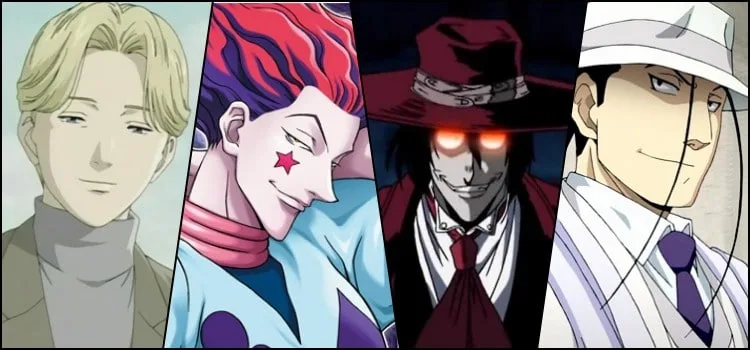
- Kalluto Zoldyck – Hunter x Hunter
- Kuranosuke Koibuchi – Princess Jellyfish
- Kurapika – Hunter x Hunter
- Mare Bello Fiore – Overlord
- Nagisa Shiota – Assassination Classroom
- Pico – Boku no Pico
- Saika Totsuka – My Teen Romantic Comedy SNAFU
Reverse traps: female characters with a masculine look
The mirror image of the "trap" is the "reverse trap": a female character who dresses in stereotypically male clothes, keeps her hair short, and gives off a boyish impression. As with the male version, the label is about appearance and energy, not sexual orientation.
Kikuchi Makoto – The iDOLM@STER
Makoto from The iDOLM@STER reads as a young man at first glance and uses that masculine energy to win over the other girls in the cast, even though Makoto is female. The contrast between the tomboyish look and the character's softer side is a big part of why Makoto is so popular with fans.
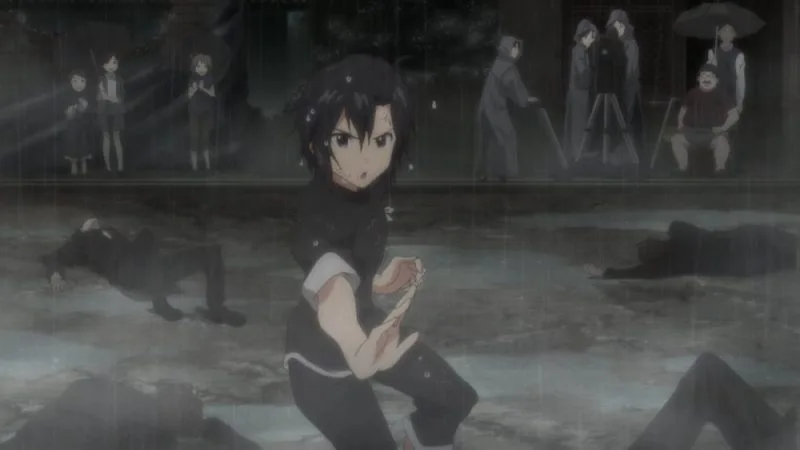
Ayuzawa Misaki – Maid-Sama
Misaki from Maid-Sama works at a maid café in a frilly outfit, but at school she is the strict, boyish student council president. The series leans hard on the gap between the two versions of her, and it is one of the reasons the show has stayed popular for so long.
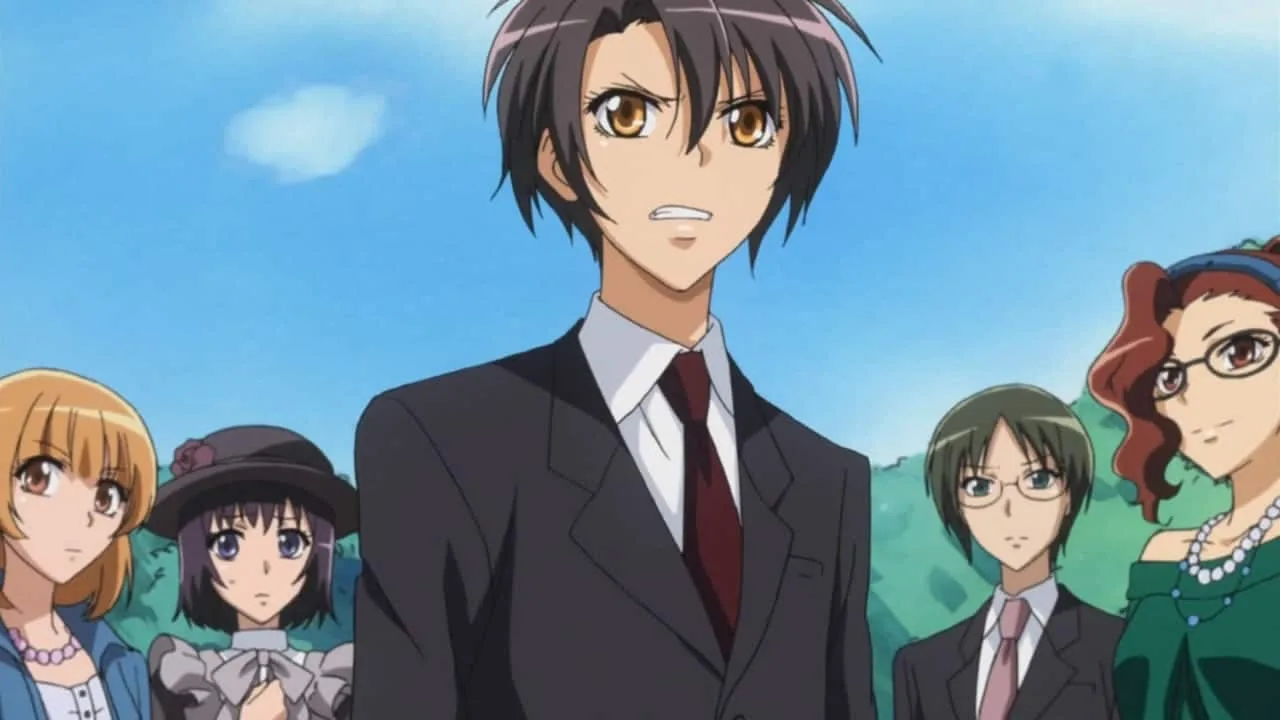
Tachibana Hotaru – Aoharu x Kikanjuu
Hotaru from Aoharu x Kikanjuu has short hair, sharp eyes, a masculine school uniform and a real love of airsoft competitions. As the series goes on, her more feminine side shows up naturally, without making the character feel inconsistent.
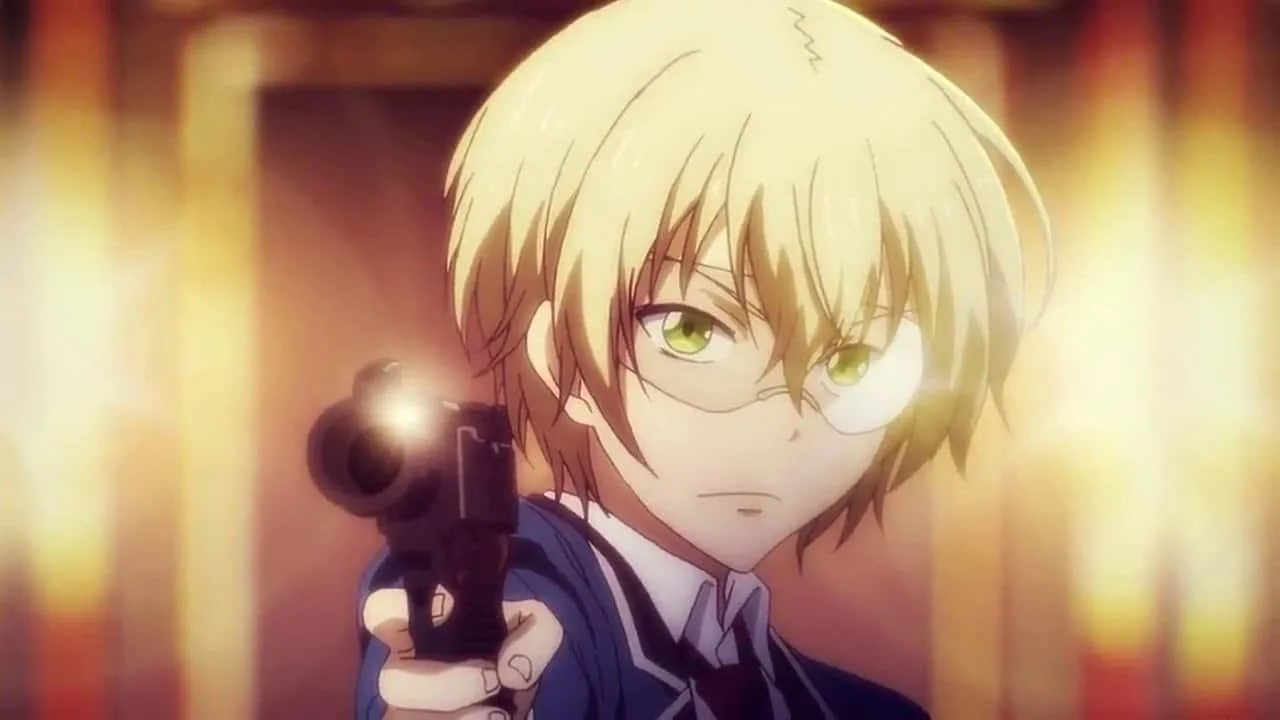
More well-known reverse traps
Other reverse-trap characters that come up often in fan lists include Subaru Konoe from Mayo Chiki, Naoto Shirogane from Persona 4, Yuu Kashima from Gekkan Shoujo Nozaki-kun, Haruhi Fujioka from Ouran High School Host Club, Haruka Tenoh from Sailor Moon, Kino from Kino's Journey, and Ukyo Kuonji from Ranma ½.
Androgynous characters and edge cases
Not every character that fans tag as a "trap" really fits the bill. A lot of the time the character is simply androgynous, neither classically male nor classically female in design. Good examples are Crona from Soul Eater, Envy from Fullmetal Alchemist, young Griffith from Berserk, Hange Zoë from Attack on Titan, Naoto Shirogane from Persona 4, and Haku from Naruto. The community generally treats these characters as their own archetype today, separate from the "trap" discussion.
How the community talks about this today
The way this topic is handled has changed a lot in the last few years. Many anime fans now use the word "trap" much less often, and prefer the more neutral terms mentioned above. Reddit, Discord and the bigger English-language anime forums actively moderate the older label, and even in Japan the language around gender expression in anime has become noticeably more careful.
Three things are driving that shift. The characters themselves are usually written with more nuance than they used to be. Awareness of real-world issues like gender identity and discrimination is much higher. And the conversation inside the fandom has matured: a thoughtful, respectful tone tends to go over better now than a sensationalist or mocking one. If you are new to the topic, that is probably the most useful thing to take away.
Final thoughts
"Trap" is a real part of anime and manga history, and it has produced some genuinely memorable characters. At the same time, the conversation around it is still moving, and the words the community uses to talk about it are moving with it. If you want to follow along without stepping on anyone's toes, the safest move today is to default to femboy, tomboy or simply androgynous character, and to let the characters themselves do the talking. Which androgynous character has left the strongest impression on you?

Community
Comments
0 comments
There are no published comments in this language yet.
Send comment