
The expression ohayou gozaimasu [おはようございます] is routinely translated as "good morning." Most dictionaries give this exact equivalent, which reflects how the phrase functions in daily conversation. We have previously explored this standard usage in our guide to greetings and good morning in Japanese. Yet the literal structure of the phrase points to a different idea.
Contents 4
What does Ohayou mean?
The core word ohayou [おはよう] derives from the adjective hayai [早い], which means "early." The homophone hayai [速い] means "fast," but that belongs to a different kanji character entirely. In classical Japanese, the polite adverbial form of hayai was o-hayaku [お早く]. Through a standard phonological shift known as u-onbin, hayaku softened over time into hayou, producing the familiar greeting.
Historical dictionaries confirm this path. In the Seisenban Nihon Kokugo Daijiten, the earliest recorded instance of o-hayou appears in a 1699 jōruri puppet theater text as a greeting addressed to someone who arrived early. By 1836, nineteenth-century literature records its established role as a morning greeting exchanged upon the first meeting of the day.
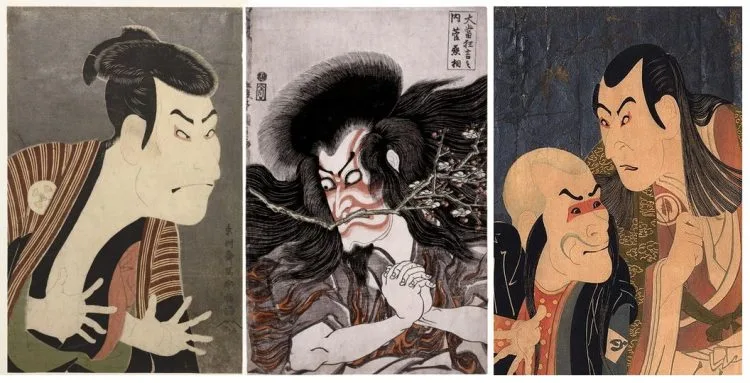
A widespread cultural account traces this habit to Edo-period Kabuki theater. Preparing for a performance required hours of intricate makeup, wig fitting, and costume changes. Actors and backstage staff arrived long before showtime, greeting those already present with o-hayai o-tsuki de gozaimasu [お早いお着きでございます], meaning "you have arrived early." While this theatrical ritual popularized the custom, linguists trace the grammatical foundation directly to o-hayaku.
In written form, the greeting appears almost exclusively in hiragana. The kanji spellings [お早う] and [御早う] exist, yet they are rarely seen in modern daily life, appearing primarily in formal calligraphy, literature, or specialized signage. In the standard romanization ohayou, the letters ou represent a long "o" sound.
What does Gozaimasu mean?
The ending of the phrase is detailed further in our article on the meaning of Gozaimasu. Gozaimasu [ございます] comes from the polite verb gozaru [ござる], an older honorific equivalent of aru (to exist or to be). Attaching it to ohayou adds respectful distance and formal polish. The familiar copula desu [です] developed historically as a later contraction from this polite speech stratum.
This grammatical distinction determines who receives which greeting. Close friends, family members, schoolmates, and familiar peers exchange the casual ohayou. When speaking to teachers, supervisors, clients, elders, or people you do not know well, ohayou gozaimasu is the proper choice. When in doubt about social hierarchy or familiarity, opting for the longer, respectful greeting is always safe.
Can Ohayou be used at night?
If you look up ohayou on Jisho, the entry notes that the greeting is used at any time of day in certain industries and workplaces. This occurs because the phrase fundamentally marks the first greeting of the work shift, regardless of the clock. In broadcasting, television studios, theaters, restaurants, and factory night shifts, workers greeting coworkers at the start of their shift regularly say ohayou gozaimasu, even at seven in the evening.
In standard civilian life, however, the greeting remains tied to the morning. Most people switch to konnichiwa [こんにちは] as the morning progresses, typically around 10:00 or 11:00 AM, and move to konbanwa [こんばんは] once dusk falls. Outside of a shared workplace shift, greeting an acquaintance with ohayou at night would sound unusual.
Ohayou in other dialects
Japan comprises 47 prefectures, and regional speech often reflects local phrasing rather than standard Tokyo Japanese. Many areas use casual variations like ohayoo [おはよー], while others retain phrases derived from hayai or ask whether someone has woken up. The following verified regional examples illustrate this diversity across different parts of the country.
| Region | Greeting | Note |
|---|---|---|
| Kansai, plus parts of Mie, Shiga, Shimane, and Oita | おはよーさん | Retains the early root, softened by the polite suffix -san. |
| Parts of Fukui, Mie, Kagawa, and Oita | はやいのう | Directly derived from hayai, remarking on early arrival. |
| Parts of Shimane | おきさしたか | A traditional inquiry asking if someone has risen. |
| Parts of Kumamoto | おきあがったけえ | Another regional inquiry asking whether the person has gotten up. |
| Parts of Kochi | おひるなりやした | A localized expression asking whether someone is awake for the day. |
For daily communication, the rule remains straightforward. Among friends and family, ohayou is sufficient. Whenever social distance or professional respect enters the conversation, choose ohayou gozaimasu. Regional dialects enrich the language, showing how a greeting rooted in early arrival evolved into Japan's most recognizable start to the day.




Community
Comments
0 comments
There are no published comments in this language yet.
Send comment