
![What does Tamaranai [たまらない] mean in Japanese?](https://cdn.skdesu.com/uploads/2025/07/yamanashi.webp)
In Japanese, the word tamaranai (たまらない) is one of those versatile expressions, full of nuance, that can cause a huge confusion if you try to translate it literally. Literally, it comes from the verb tamaru (たまる), which means “to accumulate” or “to endure.” The “-nai” at the end is a negation, that is: cannot endure, cannot stand. But the real magic lies in the context.
Yes, depending on the situation, tamaranai can express unbearable pain… or a pleasure so intense that you can hardly hold back a smile.
Contents 3
When “tamaranai” means something very good
In many cases, tamaranai is used to express emotions so strong that they overflow. And this can be totally positive. You know that ice cream on a scorching summer day that makes you close your eyes and let out a “wow, how delicious”? That’s the vibe.
このチーズケーキ、うますぎてたまらない!
Kono chīzukēki, umasugite tamaranai!
"This cheesecake is so good, I can't take it!"
Here, “I can't take it” is in the sense of it's irresistible. It can express ideas like “it's too good,” “it's out of this world,” “it's killing me how good it is.”
When “tamaranai” indicates suffering or discomfort
Not everything is rosy. When the tone changes, tamaranai can carry an emotional weight, a physical or mental pain that the person cannot bear. It’s the kind of word that appears in scenes of heartbreak, dramatic movies, or when the new shoes really hurt.
頭が痛くてたまらない。
Atama ga itakute tamaranai.
"My head hurts too much, I can't take it."
Do you notice how the tone changes completely? It all depends on the adjective or verb that comes before tamaranai.
How to use it correctly?
Tamaranai is a very informal word. Do not use it with bosses, in serious meetings, or in formal contexts. There, it would be more appropriate to seek more neutral forms like 我慢できない (gaman dekinai, “I cannot endure”) or とても~です (totemo... desu, “very...”)
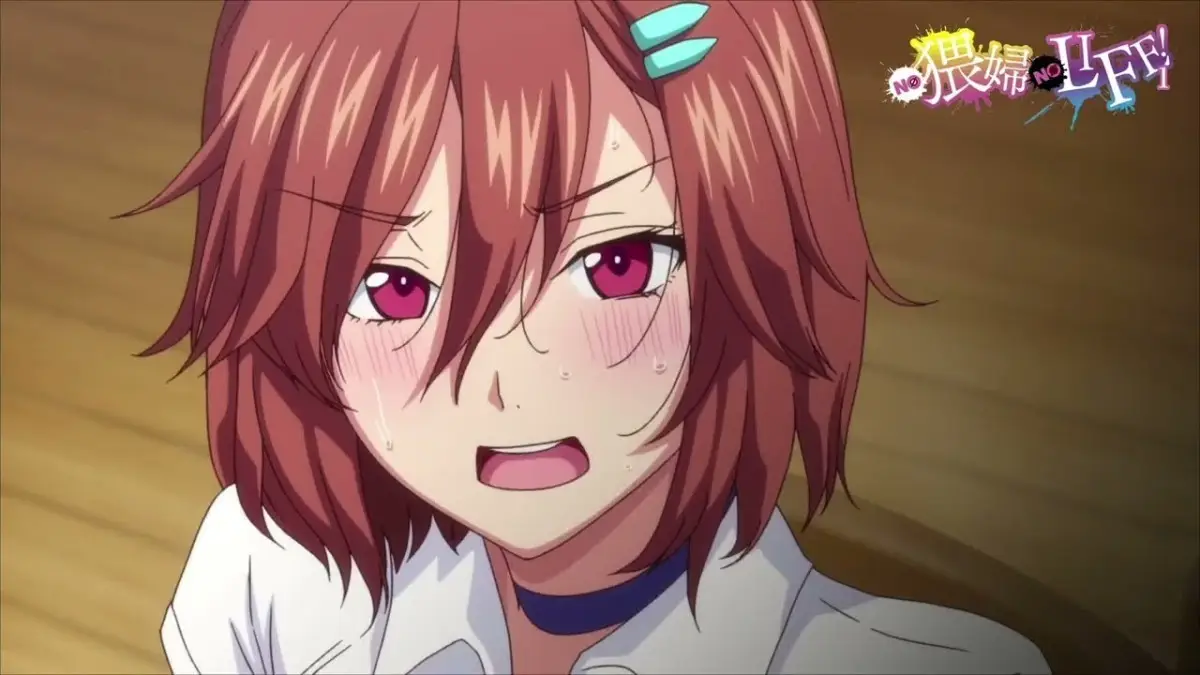
It’s a strong expression that carries emotional intensity, whether positive or negative. You will find tamaranai in songs, anime, Japanese dramas, soap operas, and even commercials. Especially when the goal is to move the audience's emotions.




Community
Comments
0 comments
There are no published comments in this language yet.
Send comment