
The Japanese language has specific words to designate stepmother and stepfather, but their use may be a bit different from Western languages. While in some cultures these words carry a neutral tone, in Japan there are certain cultural nuances that affect how they are used.
In addition to the literal meaning, understanding how these terms are used in everyday Japanese helps us better understand family relationships in Japan. After all, the way they refer to relatives directly influences communication and social interactions in the country.
Contents 7
How to Say Stepmother and Stepfather in Japanese?
In Japanese, the terms for stepmother and stepfather are:
- Stepmother: 継母 (ままはは, mamahaha)
- Stepfather: 継父 (ままちち, mamachichi)
Both words use the kanji 継 (けい, kei), which means "to inherit" or "to succeed," indicating that these parents "succeed" the biological ones in the family structure. However, Japanese people rarely use these words in everyday life, as they may sound distant or even cold.
Use in Conversation
In informal contexts, many people prefer to avoid mamahaha and mamachichi as they seem impersonal. Instead, they use other friendlier forms, such as:
- Direct address: in many families, stepfathers and stepmothers are called by their names or by affectionate terms, such as お父さん (otōsan, father) and お母さん (okāsan, mother), if the relationship is close.
- Context adaptation: in formal cases or documents, the terms 義理の母 (giri no haha) and 義理の父 (giri no chichi) can be used, literally meaning "mother/father by obligation" or "mother/father by consideration."
The Perception of Stepmothers and Stepfathers in Japan
Family relationships in Japan tend to be more reserved than in some Western cultures. The traditional concept of the Japanese family values blood ties, and this can influence how stepmothers and stepfathers are viewed.
Culture and Acceptance
- Emotional distance: as mentioned, terms like mamahaha and mamachichi are not used frequently, as they can carry a formal or distant tone.
- Media influence: in Japanese pop culture, stepmothers and stepfathers are not always portrayed positively. Many animes and doramas explore family conflicts when one of the parents remarries.
- Social change: currently, there is greater acceptance of blended families, especially in urban areas, but Japan still maintains a certain conservatism regarding the topic.
Relation to Traditional Tales
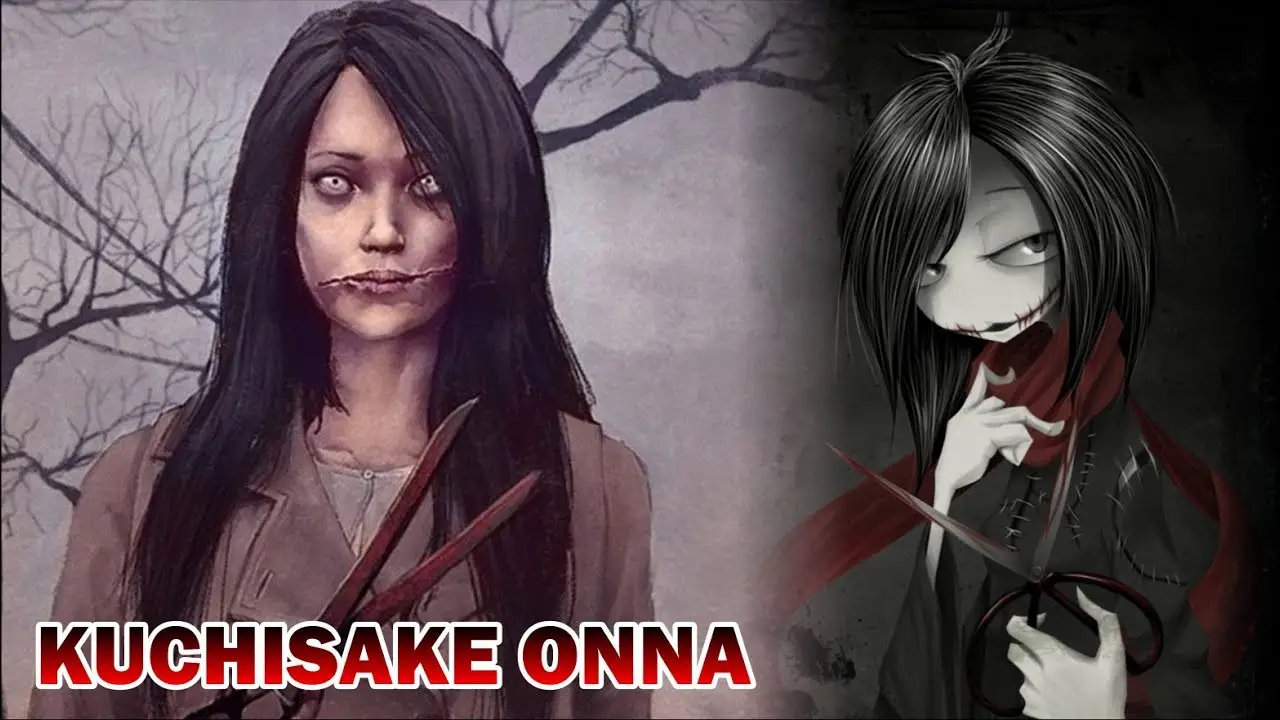
Just like in the West, Japanese fairy tales also portray stepmothers negatively. A famous example is "The Boy with the Cut Mouth" (Kuchisake-onna), where a jealous stepmother scars her stepdaughter's face. These stories reinforce stereotypes and help explain why some words related to stepfathers and stepmothers may have a negative connotation.
How to Refer to a Stepfather or Stepmother Respectfully?
If you need to talk about your stepfather or stepmother in Japanese and want to avoid direct terms, some polite alternatives include:
- 義理の父 / 義理の母 (giri no chichi / giri no haha) – More formal, used in polite contexts.
- お父さん / お母さん (otōsan / okāsan) – If there is a close emotional bond.
- Name + さん (-san) – Simple and respectful, without the need for family labels.
Conclusion
Although the terms mamahaha and mamachichi exist in Japanese, their use is not so common in everyday life due to cultural implications. Often, Japanese families prefer more neutral or respectful forms of address, reflecting the formality and social structure of the country.
If you are learning Japanese or are curious about the culture, understanding these linguistic subtleties can greatly help in better interpreting family dynamics in Japan.




Community
Comments
0 comments
There are no published comments in this language yet.
Send comment