
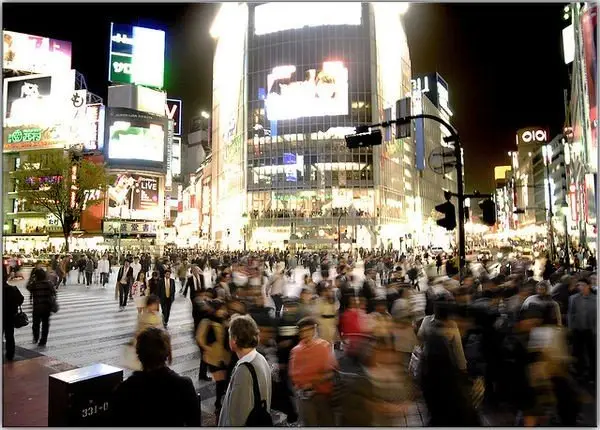
Tokyo can feel confusing on a first trip because people use Tokyo to mean different things at once: the metropolis, the 23 special wards, and dozens of neighborhoods spread across the wider urban area. This guide starts with the 23 wards, then moves to the districts and neighborhoods travelers usually look for when planning where to stay, shop, eat, or wander.
That distinction matters. Some of the best-known places on a Tokyo itinerary are entire wards, such as Shibuya or Shinjuku, while others are smaller neighborhoods inside a ward, such as Omotesando, Jimbocho, or Kagurazaka. A few places people casually lump into “Tokyo neighborhoods,” such as Kichijoji, are actually outside the 23 wards but are still easy to reach and absolutely worth the detour.
Contents 42
Understanding Tokyo's 23 special wards
Tokyo is not just one city hall covering a single urban core. Officially, Tokyo Metropolis includes 23 special wards, 26 cities, 5 towns, and 8 villages. The 23 wards are the historic heart of the capital and the part most visitors mean when they say they are going to Tokyo. Each ward has its own local government, but together they form the dense urban center that most travelers experience first.
One useful way to read the city is this: wards are the administrative map, while neighborhoods are the on-the-ground experience. You sleep in Shinjuku, cross at Shibuya, browse in Ginza, eat in Ebisu, and slow down in Yanaka or Kagurazaka, even though those places belong to different wards and have very different personalities.
| Ward | Japanese |
| Adachi | 足立区 |
| Arakawa | 荒川区 |
| Bunkyo | 文京区 |
| Chiyoda | 千代田区 |
| Chuo | 中央区 |
| Edogawa | 江戸川区 |
| Itabashi | 板橋区 |
| Katsushika | 葛飾区 |
| Kita | 北区 |
| Koto | 江東区 |
| Meguro | 目黒区 |
| Minato | 港区 |
| Nakano | 中野区 |
| Nerima | 練馬区 |
| Ota | 大田区 |
| Setagaya | 世田谷区 |
| Shibuya | 渋谷区 |
| Shinagawa | 品川区 |
| Shinjuku | 新宿区 |
| Suginami | 杉並区 |
| Sumida | 墨田区 |
| Taito | 台東区 |
| Toshima | 豊島区 |
Tokyo City itself was abolished in 1943, when Tokyo Prefecture and Tokyo City were reorganized into Tokyo Metropolis. That is why maps, station names, and travel guides often focus less on one “city center” and more on clusters of neighborhoods with distinct identities.
Shibuya
Shibuya is the district many travelers picture first: the scramble crossing, Hachiko, bright signs, department stores, and a crowd that never seems to thin out. It is ideal if you want a fast introduction to contemporary Tokyo and easy access to Harajuku, Omotesando, and Yoyogi Park.
We recommend reading:
Shinjuku
Shinjuku works well for first-time visitors because it bundles shopping, restaurants, nightlife, hotels, and one of the busiest rail hubs in the world into one area. West Shinjuku feels corporate and vertical, while the east side leads toward entertainment zones such as Kabukicho and smaller backstreets lined with bars and late-night food.
Read more: Kabukicho – largest red-light district in Japan
Ginza
Ginza is polished, expensive, and easy to browse even if you are not planning to buy anything. The appeal is not only luxury shopping but also old department stores, basement food halls, side streets with coffee shops, and the contrast between flagship boutiques and long-running restaurants.
Omotesando
Omotesando is the elegant side of western Tokyo, with a broad avenue, designer storefronts, architecture worth looking up at, and a calmer rhythm than nearby Shibuya. It is a good stop if you like fashion, cafes, and streets that reward walking without a fixed plan.
Odaiba
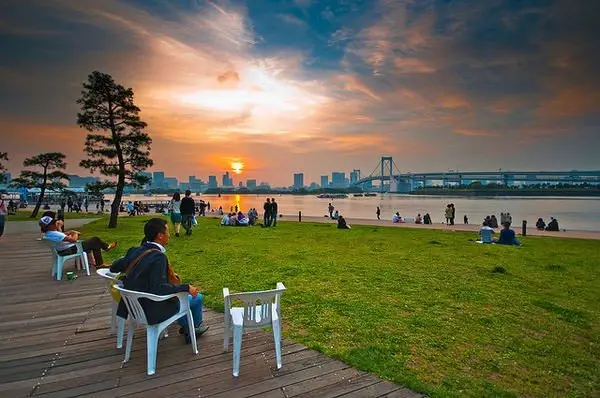
Odaiba is a man-made island in Tokyo Bay known for waterfront views, large commercial complexes, event spaces, and family-friendly attractions. It makes more sense as a half-day outing than as a place to understand old Tokyo, but it is a strong choice if you want open space, bay scenery, and easy indoor entertainment.
Also read: Odaiba – famous artificial island of Tokyo
Akihabara
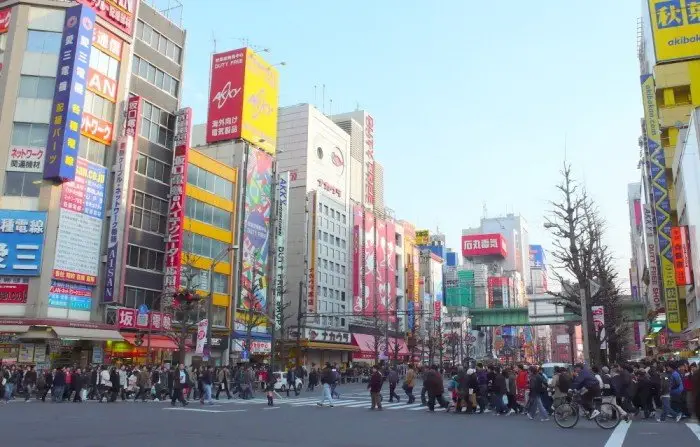
Akihabara still earns its reputation as Tokyo’s pop culture and electronics stronghold. Even travelers who are not deeply into anime, figures, retro games, or hobby shops usually end up enjoying the density of the area, especially when they explore side streets rather than stopping at the first main-road store.
Keep exploring:
Asakusa
Asakusa is one of the easiest places to feel a more traditional side of the capital without leaving central Tokyo. Senso-ji, older shopping streets, river views, and rickshaw-lined lanes give the district a different pace from the flashier western hubs.
Harajuku
Harajuku shifts dramatically depending on which street you choose. One side gives you youth fashion, sweets, and dense foot traffic, while the nearby Meiji Jingu and Yoyogi Park side feels greener and quieter. That split is part of what keeps the area interesting.
Shimbashi
Shimbashi is often treated as a business district, but that description misses its evening energy. Under the tracks and in the backstreets, you find compact restaurants, izakaya, and a lived-in after-work atmosphere that feels less curated than nearby Ginza.
Ikebukuro
Ikebukuro is one of Tokyo’s biggest commercial hubs, with department stores, anime and game shops, casual dining, and transport links that make it practical as a base. It tends to feel less polished than Shibuya or Ginza, which is exactly why many visitors find it easier to settle into.
Shimokitazawa
Shimokitazawa is the neighborhood people choose when they want independent shops, vintage clothing, small music venues, and a looser, more local rhythm. It has changed over the years, but it still rewards wandering, especially if you like cafe stops and side-street browsing more than landmark chasing.
Marunouchi
Marunouchi sits beside Tokyo Station and feels ordered, businesslike, and convenient. It is a good area for travelers who value transport access, polished shopping, and quick connections to the Imperial Palace area, Ginza, and the train lines that structure so much of a Tokyo itinerary.
Gaienmae
Gaienmae blends offices, boutiques, galleries, and broad avenues in a way that feels more understated than Omotesando. It is best explored slowly, especially if you enjoy architecture, design stores, or a quieter walk between bigger headline districts.
Ebisu
Ebisu is an easy neighborhood to recommend because it is stylish without feeling exhausting. The area has strong dining options, cafes, bars, and a more relaxed night scene than the larger entertainment zones nearby.
Yoyogi
Yoyogi usually means two different experiences: the station area and the park side. If your goal is green space, picnics, or an easy walk after Meiji Jingu, Yoyogi Park is the draw. If your goal is convenience, the station links make the area practical rather than scenic.
Kichijoji
Kichijoji lies outside the 23 wards in Musashino, but many Tokyo itineraries include it because it feels approachable and lived-in. Inokashira Park, local shopping streets, cafes, and a slower neighborhood rhythm make it one of the easiest areas to enjoy without chasing major landmarks.
Ueno
Ueno is one of the best value districts for travelers who want museums, a major park, everyday market energy, and easier budget accommodation than the city’s trendier west-side hubs. It works well for people who want full sightseeing days without paying to stay in the busiest nightlife zones.
Koenji
Koenji has long appealed to visitors who prefer secondhand shops, live houses, small bars, and a neighborhood that still feels independent. It is not built around one giant sight, which is exactly why it works for an afternoon of casual exploration.
Yurakucho
Yurakucho is compact but memorable, especially for the restaurant alleys under the train tracks. It is a strong area for a casual dinner stop after Ginza or Marunouchi, particularly if you prefer busy food streets over formal dining rooms.
Nakameguro
Nakameguro is most famous during cherry blossom season, when the Meguro River becomes one of the city’s best-known sakura walks. Outside spring, it still works well for cafes, boutiques, and a quieter riverside atmosphere than the larger commercial districts.
Kasumigaseki
Kasumigaseki is the administrative heart of Japan, with government ministries and a more formal atmosphere than most sightseeing districts. It is not where people usually base themselves, but it helps explain how close the capital’s political core is to districts such as Hibiya, Ginza, and the Imperial Palace.
Nagatacho
Nagatacho is another political center, known for the National Diet Building and a concentration of state institutions. Visit if government architecture and modern political history interest you; otherwise, most travelers encounter it more as a neighboring area than a destination in itself.
Shinagawa
Shinagawa is often chosen for convenience rather than atmosphere. The station is a major transport node, especially for shinkansen users, and the area can be a practical base for short stays, airport connections, or travelers who prioritize smooth logistics over nightlife.
Akasaka-Mitsuke
Akasaka-Mitsuke balances offices, hotels, restaurants, and nightlife without the scale of Shinjuku or Shibuya. It is useful for travelers who want a central base with late dining options and good rail connections in several directions.
Meguro
Meguro feels more residential than nearby hubs, but that is part of its appeal. It is a comfortable area for cafe hopping, quieter evenings, and seasonal walks near the river, especially if you want a break from Tokyo’s denser commercial corridors.
Shiodome
Shiodome is a modern business district of towers, offices, hotels, and elevated walkways. It is more functional than charming, but it can be useful as a base for visitors who want quick access to Ginza, Shimbashi, and the bay-facing side of central Tokyo.
Jimbocho
Jimbocho stands out for used bookstores, university energy, coffee shops, and one of the most distinctive browsing cultures in Tokyo. It is the kind of area that rewards people who enjoy niche stores and long, unhurried walks more than checklist tourism.
Takebashi
Takebashi sits close to the Imperial Palace and works as a quieter stop between museums, office districts, and palace-adjacent walks. It is not flashy, but it makes sense if you want a break from crowded commercial areas without leaving central Tokyo.
Sugamo
Sugamo is sometimes nicknamed “grandma’s Harajuku,” but the label only tells part of the story. The area is approachable, traditional in feel, and anchored by a shopping street that shows a more everyday side of the city.
Hibiya
Hibiya connects business Tokyo, theatergoing, hotels, and park space in one compact area. It is especially convenient if you want to stay near Ginza while keeping easy access to gardens, transport, and polished but not overwhelming streets.
Jiyugaoka
Jiyugaoka is usually recommended to travelers who like cafes, bakeries, small shops, and a residential feel. It is not essential for every first trip, but it can be a very pleasant detour if you prefer strolling neighborhoods over headline attractions.
Kyobashi
Kyobashi sits near Ginza and Tokyo Station, so it often gets overshadowed by bigger names. Even so, it is useful to know as part of the central cluster where business streets, galleries, and transport-friendly hotels overlap.
Toranomon
Toranomon is a business district that has become more visible to travelers thanks to large redevelopment projects and new towers. It makes the most sense for visitors interested in newer urban Tokyo rather than older shopping streets or nightlife-focused areas.
Aoyama Itchome
Aoyama Itchome is a polished central area with offices, broad roads, and easy links to nearby design and fashion districts. It is less about one iconic sight and more about being strategically placed between some of Tokyo’s most walkable neighborhoods.
Daikanyama
Daikanyama is one of Tokyo’s easiest upscale neighborhoods to enjoy without an agenda. Stylish shops, bookshops, and relaxed cafes give it a reputation for taste rather than spectacle, which makes it a good counterweight to busier districts nearby.
Fukagawa
Fukagawa offers a calmer look at eastern Tokyo, with temple culture, local streets, and a history tied to the old low city. It is a good name to remember if you want to go beyond the usual west-side circuit.
Denenchofu
Denenchofu is known as one of Tokyo’s classic upscale residential areas. Travelers rarely prioritize it on a first itinerary, but it is interesting as an example of a planned suburban district with a very different feel from the dense center.
Hiroo
Hiroo feels international, residential, and quietly refined. Embassies, cafes, and low-key dining give it a comfortable atmosphere that appeals more to long-stay visitors and repeat travelers than to people chasing iconic Tokyo landmarks.
Kagurazaka
Kagurazaka combines sloping streets, back alleys, older Tokyo atmosphere, and a strong food scene in a way that feels both traditional and current. It is one of the best neighborhoods for travelers who want to wander, eat well, and find a district that reveals itself gradually.
Futako Tamagawa
Futako Tamagawa sits on the southwestern side of the metropolis and feels more spacious than central Tokyo. The Tama River, shopping complexes, and suburban comfort make it a solid choice for a slower day, especially for families or repeat visitors who want to step outside the usual central circuit.
How to choose the right Tokyo area
If you want the classic first-trip experience, start with Shibuya, Shinjuku, Asakusa, Ueno, Ginza, and Akihabara. If you prefer cafes, side streets, and neighborhoods with more breathing room, look at Ebisu, Daikanyama, Shimokitazawa, Kagurazaka, Nakameguro, or Kichijoji. And if your priority is practicality, areas around Tokyo Station, Marunouchi, Shinagawa, or Ikebukuro can make daily transit much easier.
The best Tokyo itinerary usually mixes both scales of the city: a few big hubs for orientation and a few smaller neighborhoods for texture. That is when Tokyo stops feeling like a blur of stations and starts feeling like a collection of places with their own rhythm.

Community
Comments
0 comments
There are no published comments in this language yet.
Send comment