
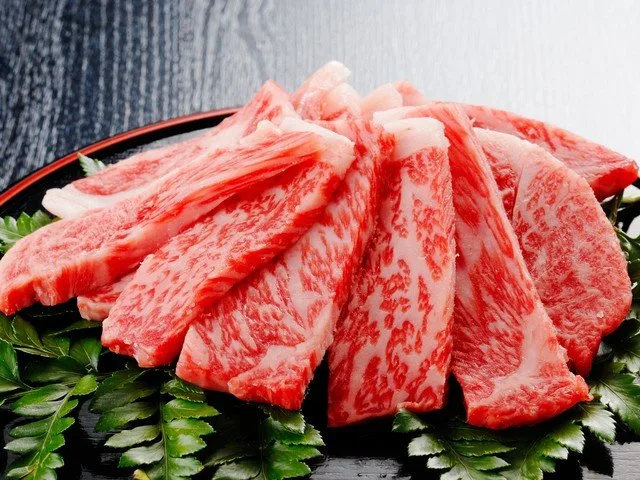
The media often shows extreme prices for meat from Japan, and that makes a lot of people think meat there is always expensive. That is not really true. Premium cuts like Kobe and Wagyu can be pricey, but regular beef, pork and chicken are still part of everyday life in Japan.
Japan is small, but its cuisine is far more varied than many outsiders expect. Fish is obviously important, but meat also plays a major role in daily meals.
Contents 4
Meat in Japan
Japan is known for some of the world's most expensive premium meats, especially Kobe beef. Because of that, many people imagine that every cut of meat in Japan costs a fortune. In practice, regular beef, pork and poultry are widely available.
We do not need to dwell on fish here because everyone knows seafood is part of Japanese cuisine. But it is wrong to assume Japanese people only eat fish. I spent 30 days in Japan and only ate fish twice.
I was amazed by the huge variety of food in Japan. Beef is eaten in more moderate amounts, while chicken and pork appear in many recipes.
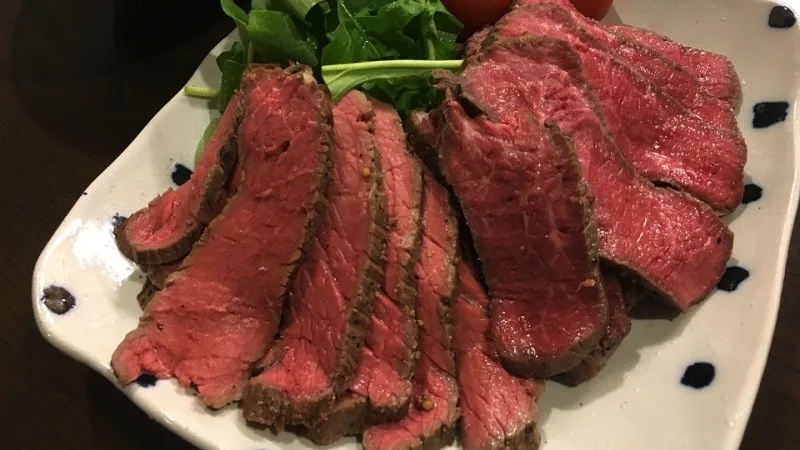
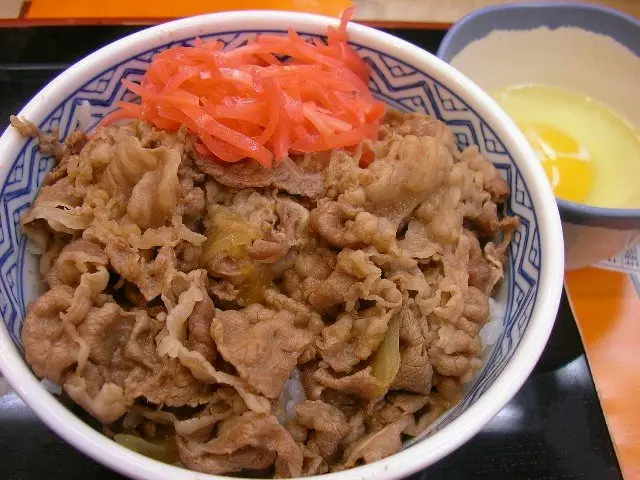
Price is not the only reason people think meat sales are lower in Japan. Many Japanese people eat lunch in restaurants or buy a bento box, which gives them a chance to try different dishes every day. If they want to, they can eat gyudon, or meat udon and soba, every day.
There is no reason to think you cannot eat meat in Japan. Meat is very accessible there. I went to a Yakiniku restaurant where you pay about 1,000 yen and spend two hours eating meat and other dishes, a kind of all-you-can-eat deal. During my trip, I also saw several barbecues run by Brazilians.
The simple reason Japanese people do not eat meat the way Brazilians do is that Japanese cuisine is already rich and varied enough that meat is not needed at every meal.
How much does meat cost in Japan?
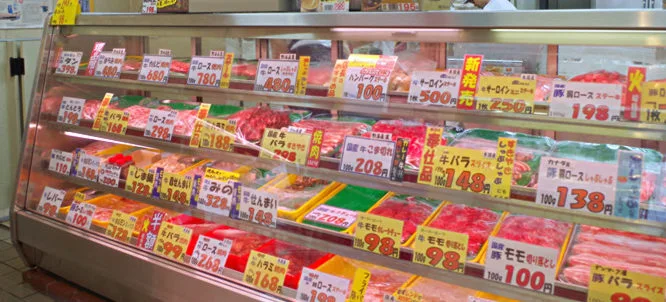
Meat in Japan is often sold in 100-gram portions. Prices vary a lot depending on the cut, and chicken or pork are usually cheaper than high-end beef.
Butchers also cut meat differently. In Japan, meat is often sold chopped or packaged in trays, and that does not mean people consume less of it. Smaller packaging is simply normal because many people eat out more often.
Another common detail is the mix of beef and pork in products like ground meat. To get a better sense of the price differences, see the image below:
Is meat expensive in Japan and eaten less often?
From a Brazilian point of view, the prices can look high, but for many people in Japan they are still manageable. What matters most is the local income level and the country's eating habits.
Imported meat in Japan is often cheaper than high-quality Japanese meat. That is one reason people imagine everything is expensive. In the kitchen itself, though, meat is still used a lot, just in different forms than in Brazil.
Meat appears in many Japanese recipes, including gyudon, a very popular dish.
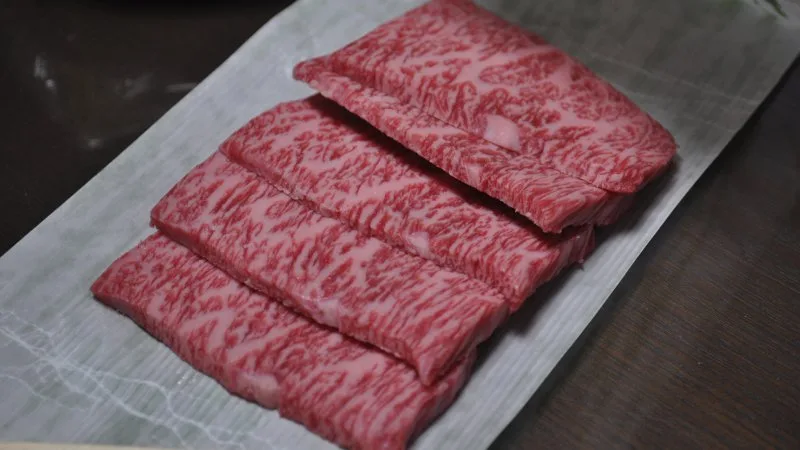
In my own experience in Japan, I ate more meat dishes than fish dishes. Among the recipes I tried, I would highlight:
- Nikuman - Steamed bun filled with meat.
- Gyudon - Rice with meat.
- Niku udon - Udon with meat;
- Niku soba - Soba with meat;
- Yakitori - Skewered chicken or poultry.
- Tonkatsu - breaded pork.
- Gyoza, yakisoba, and various other recipes contain meat;
So we can conclude:
- Meat in Japan is cheaper than many people think;
- Meat is easy to find in everyday life;
- Japanese people often eat out and try many different dishes;
- Meat is usually just one part of a larger recipe;
- Imported meat is often cheaper than high-end Japanese meat;
- Meat is often sold in 100-gram portions;
- Meat is a regular part of Japanese cuisine;
Names of Meat Cuts in Japanese
Below is a list with the names of the main cuts of meat in Japanese.
| Chuck | 肩ロース | kata roosu |
| Meat around the rib | バラ | bara |
| Sirloin | サーロイン | saaroin |
| Rib and ribeye | リブロース | ribu roosu |
| Bone-in rib | 骨付バラ肉 | honetsuki baraniku |
| Round | 外もも | sotomomo |
| Inside round | 内もも | uchimomo |
| Brisket | コブ肉 | kobu niku |
| Filet mignon | ヒレ | hire |
| Top sirloin | ランプ | ranpu |
| Shank | すね | sune |
| Flank and flank steak | しんたま | shintama |
| Brisket | ミスジ | misuji |
| Neck | ネック | necku |
| Picanha | イチボ | ichibo |
| Tail | テール | teeru |
| Racket | トンビ | tonbi |



Community
Comments
0 comments
There are no published comments in this language yet.
Send comment