
Thin frames, tiny packaged snacks, and tourist sticker shock at the cheese aisle: that cocktail makes a lot of people decide Japan is a place where you barely eat — or go broke if you try. The picture is tidy. Real life at the table is messier, and more generous than the myth allows.
What looks like “eating little” is often a different rhythm of portions, packaging, and multi-dish meals. What looks “impossibly expensive” is often a tourist comparing beef and imported dairy to home prices, while locals build everyday meals around fish, pork, rice bowls, and corner options that stay firmly in everyday budgets.
Contents 4
Is food expensive in Japan?
Price only makes sense next to income and what people actually buy. Comparing a Tokyo supermarket sticker to a hometown supermarket without that context is how the “Japan is absurdly expensive” story keeps getting retold.
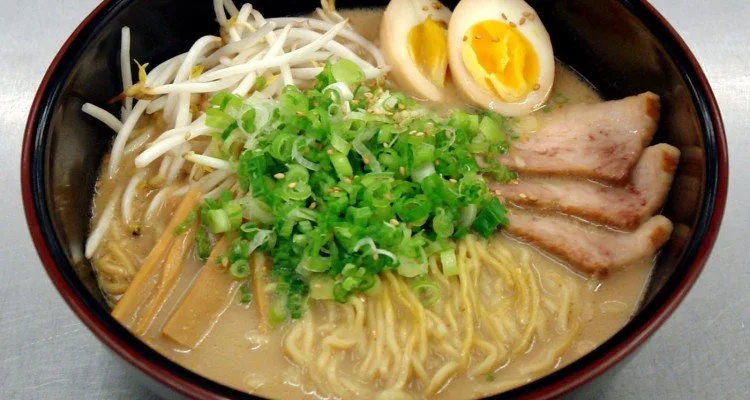
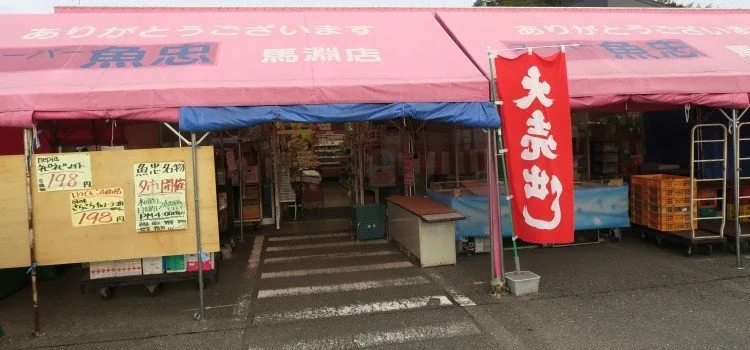
For residents, food spending usually tracks wages: some items cost more, others less, and the daily menu adapts. Beef and many cheeses can feel steep. Everyday meals do not have to. Lunch chains, set meals (teishoku), bowls of ramen, and rice bowls keep ordinary dining within reach. Travelers often land in the same band when they eat like locals rather than only at high-end sushi counters.
Rough ranges that show up again and again for casual eating (yen, approximate, and location-dependent):
- convenience-store meal or supermarket takeout: often under ¥1,000;
- ramen or a simple set meal: commonly around ¥600–¥1,500;
- budget day of food while traveling: often around ¥3,500–¥6,000 if you mix konbini, lunch spots, and one modest sit-down meal.
Restaurants cluster on nearly every busy street, from polished rooms to counters where lunch is deliberately cheap. All-you-can-eat yakiniku (Japanese barbecue) can still surprise visitors who expected only luxury pricing. A traditional Japanese breakfast — rice, fish, vegetables, maybe egg or ham — is not a “minimal” plate either; it is a full start to the day, even when individual bowls look small.
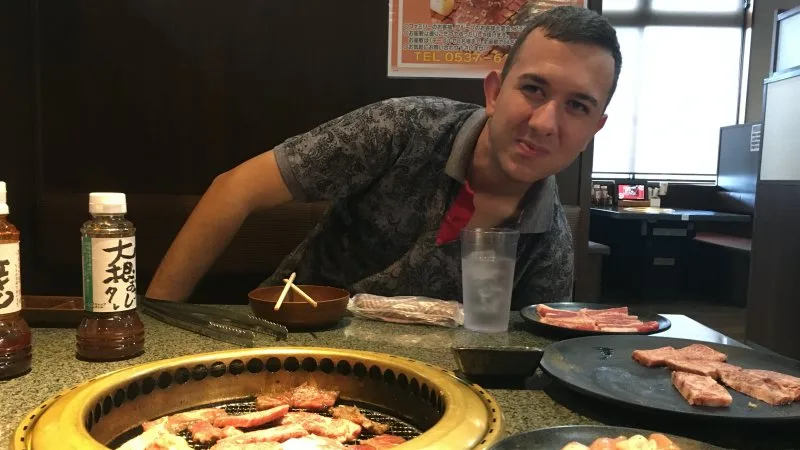
Tourists feel sticker shock first on imported products, wagyu, and dinner in tourist-heavy districts. Locals absorb the same economy with different shopping lists. Once you weigh portion style and protein choice, “everything is expensive” stops being a clean verdict.
Smaller portions: culture, not scarcity
Many products really are packed in smaller units. That is usually convenience and waste-control, not a sign that the country is short on food. People snack and graze through the day — coffee from a machine, a rice ball between trains — instead of loading one oversized plate once and calling it done.
Konbini (convenience stores) and vending machines make that rhythm easy: meals, snacks, iced tea, hot coffee, always nearby. Packaging stays small so food stays fresher and less is thrown out. The household fridge does not need to hold an American-style bulk load for the week.
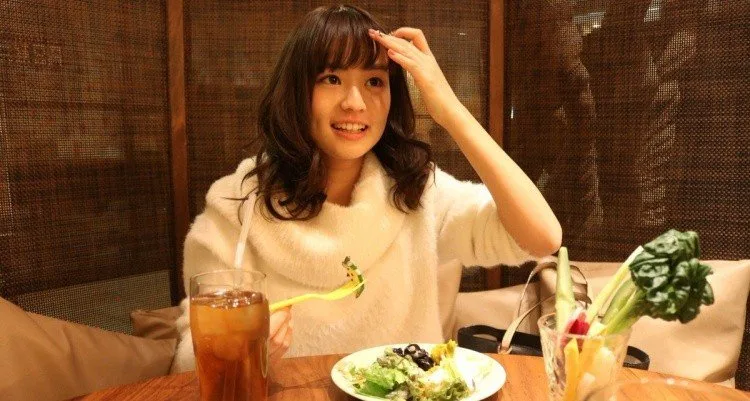
Presentation multiplies the illusion. A classic home-style layout may put rice, soup, a vegetable side, and a protein each in its own bowl or dish. Eyes used to one heaping plate read “little.” Taste and volume tell another story: several flavors, more chewing, less of a single heavy pile. The old saying hara hachi bu — stop around eight-tenths full — also shapes how people leave the table, without turning every meal into a starvation ritual.
So “Japanese people eat little” is half-true only if you measure by Western portion theater. Measure by variety across the day, and the picture flips: frequent bites, balanced plates, and less automatic overeating — not empty stomachs by default.
Meat, fish, and what “eating well” looks like
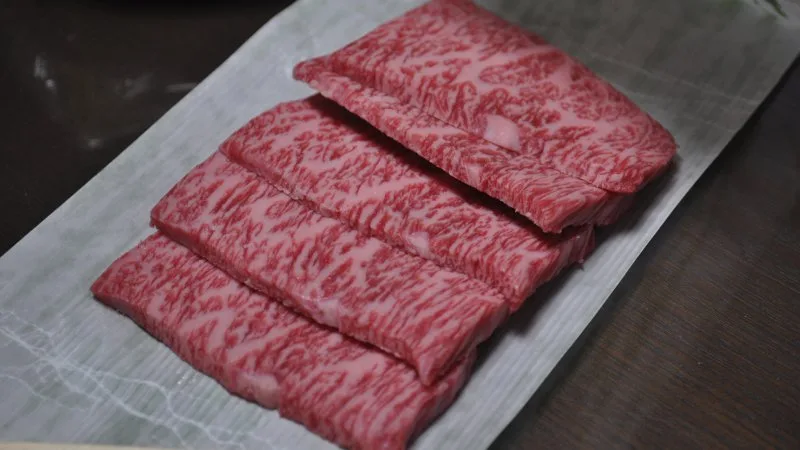
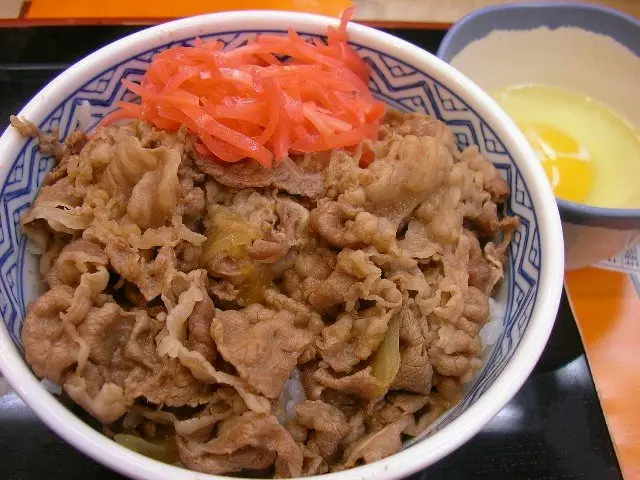
Meat prices matter, but they do not define the whole diet. Beef is often costly; the historical backbone of many meals is fish, seafood, and more affordable pork. That shows up in everyday plates: sushi when the budget allows, grilled fish at home, tonkatsu (breaded pork cutlet), bowls built on rice and sauce rather than a thick steak.
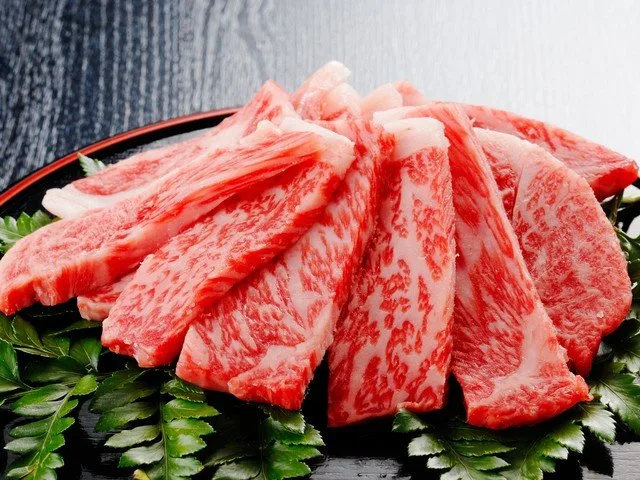
Even so, yakiniku nights and special cuts still happen. The point is not that Japan avoids meat; it is that “expensive beef” never meant “no protein.” Accessible fish and plant-heavy sides fill the gap that tourists miss when they only price wagyu.
Obesity is not magically zero — processed food and changing habits show up among some children and young people — but the traditional pattern still leans on vegetables, fish, and lighter cooking fats. Looking lean is less about perpetual hunger and more about how meals are built, paced, and portioned.
So do Japanese people eat little?
They often eat in smaller units and multiple dishes, and they rarely treat a single giant plate as the only “real” meal. That is not the same as eating poorly or barely enough. Food can feel expensive on a tourist path or at the beef counter, yet everyday options — from konbini shelves to lunch chains — keep ordinary eating realistic for local wallets.
Strip away the myth, and Japan looks less like a country of tiny, costly bites and more like a place that packages, prices, and paces food on its own terms. Once you shop and order with that logic, both questions answer themselves: not little by default, and not expensive at every table.

Community
Comments
0 comments
There are no published comments in this language yet.
Send comment