
The media today is full of misinformation, and a lot of people swallow a report as if it described a whole country. A simple clip of Chinese people eating dog at a festival in one city was enough to plant the idea that the Chinese eat dog, even though most Chinese people have never eaten a dog in their lives.
Because of reports like that, people build a cartoon of a nationality and never notice that Brazil has its own list of foods that would shock someone from another table: rabbits, frogs, armadillos, bull testicles, mocotó, chouriço, sarapatel, and other dishes some visitors find disgusting. It was already enough for some to decide that Japanese people eat live seafood. Now the claim is that Japanese people eat dolphins. Let's look at what actually happens, and who is doing it, instead of treating a whole nation as the hunter.
Contents 3
Yes, they kill dolphins
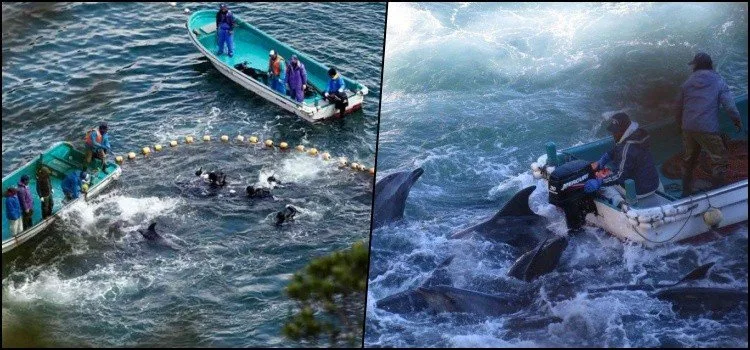
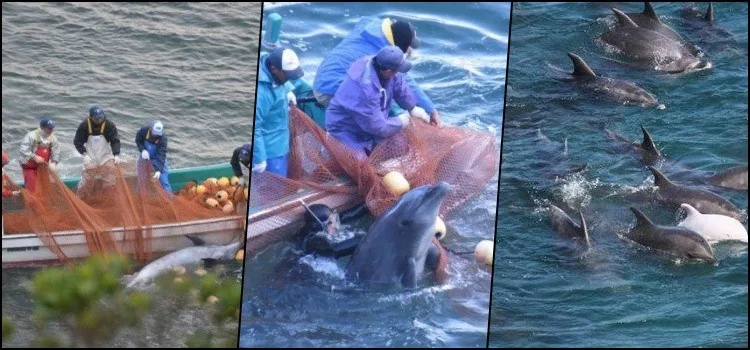
Just like with the whale hunting, catching dolphins has other purposes besides meat. Some of the small cetaceans taken in these fisheries sit far from global extinction lists, and people often say the same of the whale stocks Japan still hunts. Criticizing the consumption of an animal just because it is cute is nothing but hypocrisy. What is truly concerning is the way dolphins are captured and killed: boats herd a pod with a wall of sound, close a cove with nets, and kill animals with a metal spike while other dolphins are still in the water.
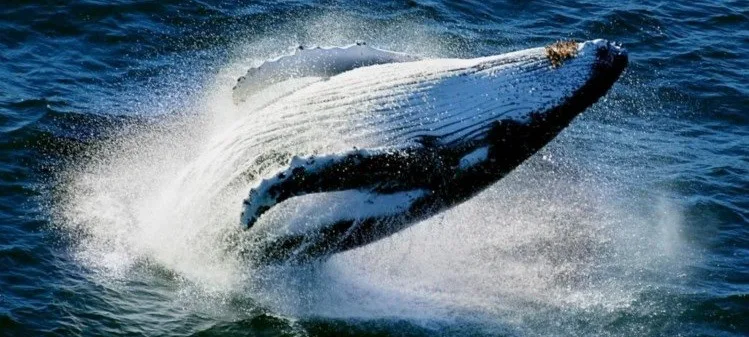
The images that went around the world, especially after the documentary The Cove, come from one small town in Wakayama called Taiji. Fishermen there say eating this meat is a local custom. Some sites still write 20,000 dolphins a year. Taiji's drive-hunt quota sits around 1,800 animals a season; independent counts in recent seasons put the number slaughtered in the low hundreds, plus dozens taken alive for marine parks. Japan as a whole also licenses harpoon hunting of small cetaceans, and the largest slice of that quota is Dall's porpoise in the north, especially Iwate. Taiji is the remaining large-scale drive hunt, the one with the cove, not the only dolphin fishery in the country.
Killing for meat is the smaller payday. A live bottlenose sold to an aquarium can bring tens of thousands of dollars, while the meat from one animal is worth well under a thousand. The meat does not travel the country as everyday protein. Some reports treat it as a national dish; it shows up mainly in Taiji and a handful of other coastal pockets, and most Japanese people have never tasted it. Many who know about the hunt campaign against it. Live animals are the product that still travels: in 2015 the Japanese Association of Zoos and Aquariums banned members from buying drive-hunt dolphins, so sales shifted toward parks outside that network, including in China.
Curiosities about dolphin slaughter
Let's see some information, data, and details so you can examine them calmly.
- Dolphins are also hunted in places such as the Solomon Islands, the Faroe Islands, and Peru;
- Dolphin meat carries health risks because mercury and other pollutants accumulate in the animals;
- Taiji in Wakayama is the remaining large-scale drive hunt in Japan; harpoon fisheries, especially for Dall's porpoise, still operate in other prefectures;
- The current official killing method drives a metal pin into the neck to sever the spinal cord. Hunters say death is almost instant; a 2013 veterinary analysis of footage found an animal still dying after more than four minutes;
- Countries such as Taiwan have hunted dolphins, and so have Hawaii and Washington in the past. In Peru, where the hunt is illegal, estimates still run near 2,000 animals a year;
- In recent Taiji seasons, independent monitors have counted a few hundred animals slaughtered and several dozen taken alive, well below the local quota of about 1,800;
- In 2015 the Japanese Association of Zoos and Aquariums banned its members from buying dolphins caught in the Taiji drive hunt;
- Several veterinarians and scientists have argued that the killing method should be prohibited;
- Taiji's organized commercial whaling dates to 1606 under Wada Chūbei. The modern dolphin drive hunt, aimed at live capture for the town's whale museum, started in 1969;
- The main drive season usually runs from September 1 to the end of February, with a Taiji quota near 1,800 animals. Japan's nationwide small-cetacean quota is much larger and is dominated by Dall's porpoise.
Where do we want to get?
The simple fact that the news spreads in a generalized manner, or with wrong numbers, makes people draw conclusions or hold absurd ideas about what really happens. We are not defending this practice; any act of violence and cruelty against animals is condemnable. But what happens is not so severe as to justify idiotic people creating hatred against an entire nation that does not even know what is going on. Especially when our nation and all other nations are responsible for similar and repugnant acts.
The truth is that this tradition in Taiji is also a lucrative business: selling live dolphins to parks, and selling a little meat at high prices to a tiny number of people. Of course I do not blame anyone who eats the meat of this animal; there are many other animals that die cruelly and that people eat daily. I will not criticize the practice just because they are cute and intelligent little creatures. But I believe that the method used could be a little different and less cruel. Then again, don't we fish with hooks and let fish die from lack of water?

And what is the government's position on this? When it comes to money, every government is flawed, and practitioners end up using loopholes in the laws to carry out their lucrative businesses. Prostitution is prohibited in Japan, and yet it is not difficult to find; understand that the law is always flawed and there is no perfect governmental system. If you research deeply into things that happen in the dark in any country, you will be shocked. So do not let generalized information harden your mind to the point of generating hatred for people who have no relation to the subject. We can hate the practice and the people who practice it, but not an entire nation that has nothing to do with it.




Community
Comments
0 comments
There are no published comments in this language yet.
Send comment