Want to learn Japanese online?
Email
Website
Articles about Japanese grammar
On Suki Desu, Japanese grammar brings together particles, verbs, the te-form, keigo and sentence order.
The three adjective forms explained in a simple way.
Polite forms, the nouns that take suru, and the uses that go past a plain to do.
The two verbs you have to memorize, and the godan and ichidan verbs that break only one form.
A practical comparison between physical locations, abstract points, and everyday grammatical patterns in Japanese.
A practical guide to polite suggestions, casual volitional forms, and natural ways to propose shared activities in Japanese.
たくさん sits before 食べる, 新しい becomes 新しく, and とにかく家へ帰る still means you are going home anyway.
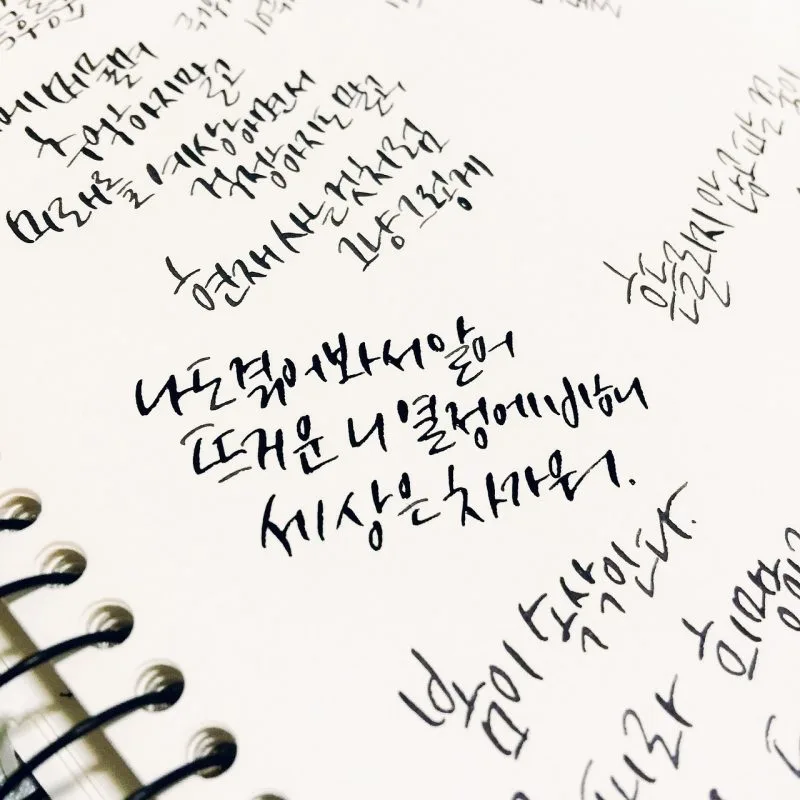
A quick guide for readers who prefer learning Korean with books.
What to say to a friend, what to write, and what to ask a boss who will not raise your salary.
A practical reference covering essential particles, verb forms, and sentence patterns required for the first level of the Japanese...
How to build te-aru, how it differs from te-iru and te-oku, and which particles matter in the sentence.
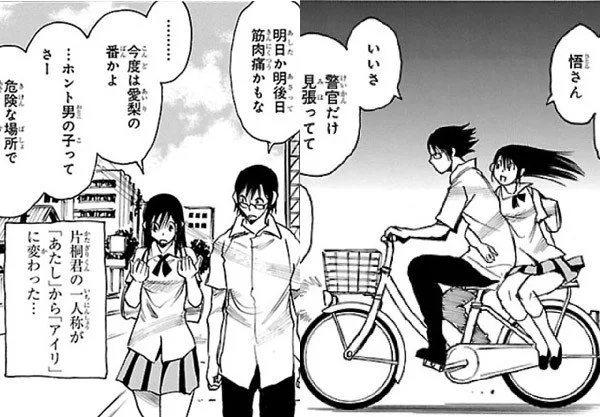
The split is real in endings and first-person words — and much quieter on the page than in anime.
How Japanese says maybe and probably without boxing anyone in.
The verb waits at the end. Particles tell you who did what.
Ten Japanese words for "everything" — from 全て and 全部 to みんな, 丸ごと, and 全然
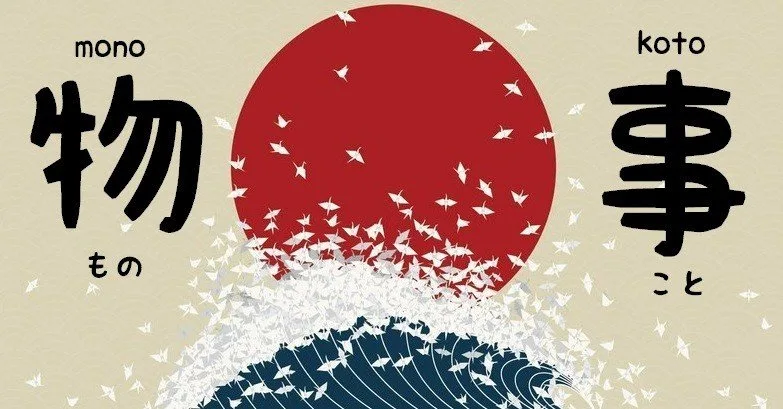
Concrete mono, abstract koto, and the shade of meaning in phrases like anata no koto ga suki.
From textbook anata to anime-level temee: how second-person words really work.
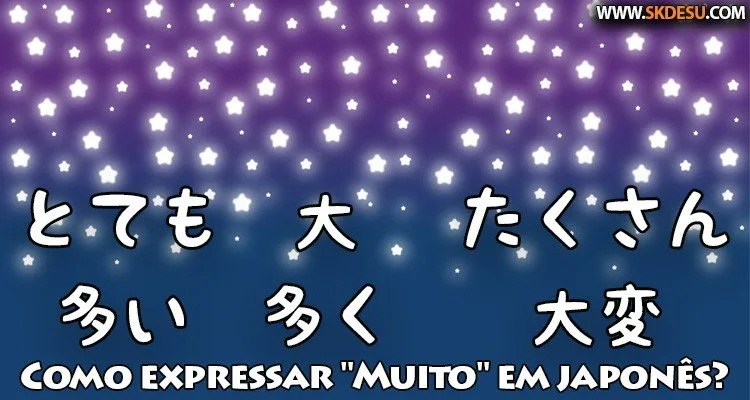
Intensity is not the same as quantity: totemo, takusan, ooi, ippai, and the casual boosters.
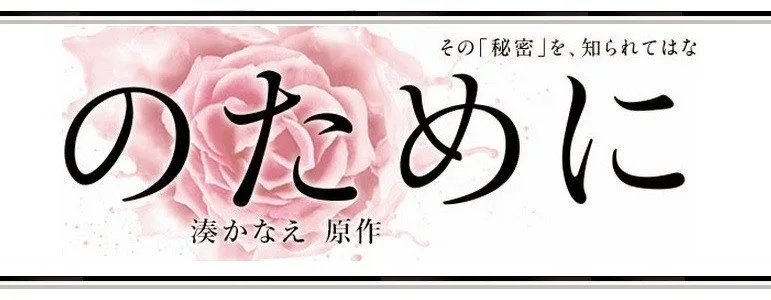
Purpose, benefit, and “because of” with ために — plus ための and a quick contrast with ように
Street, passage, and the pattern “just as said” — with readings and examples
Verb stem + やすい / にくい, plus when づらい sounds more natural
One verb for taking out, sending, serving food—and starting an action all at once
にくい, づらい, and がたい: where the difficulty sits
Verb て-form + も for reverse conditions, いくら〜ても, and everyday てもいい permission phrases.
Make equality comparisons in Japanese with ように and ような.