

In this guide, you will find a comprehensive overview of the essential grammar rules and structures required for the JLPT N5 examination. This compilation covers the foundational building blocks of the Japanese language, including indispensable particles, auxiliary verbs, conjunctions, and core sentence patterns that form the prerequisite knowledge for beginner fluency.
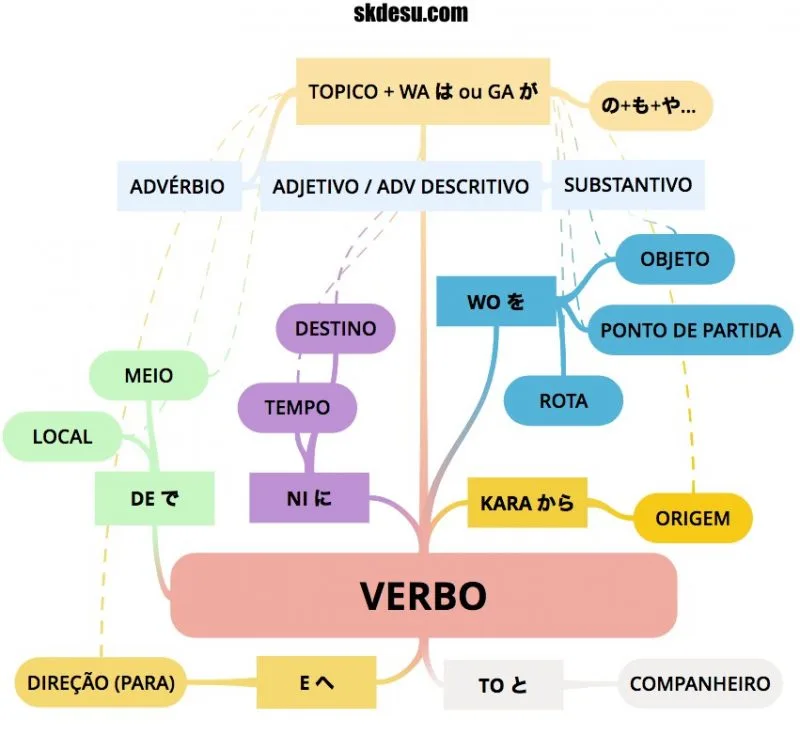
Japanese Grammar Rules of N5 JLPT
When studying for the JLPT N5, reviewing grammar points in structured patterns helps consolidate how words connect in everyday sentences. The reference list below outlines the 80 core grammatical structures you should master, complete with their Japanese written forms, romaji transcriptions, and primary grammatical functions.
Responsive Table: Scroll the table sideways with your finger >>
| い-adjectives | i-adjectives | Japanese adjectives ending in -i that conjugate directly (e.g., takai, yasui) |
| いつも | itsumo | always; generally; habitually |
| お / ご | o / go | polite marker; honorific prefix particle |
| か | ka | question particle |
| が | ga | subject marker; however; but ~ |
| か~か | ka~ka | or |
| があります | ga arimasu | there is; it is (non-living things) |
| がいます | ga imasu | there is; to be; it is (living things) |
| がほしい | ga hoshii | want something |
| から | kara | because; from; of |
| けど | kedo | but; however; although ~ |
| けれども | keredo mo | but; however; although ~ |
| しかし | shikashi | but; however ~ |
| じゃない・ではない | janai / dewa nai | negative copula (to not be; informal and formal negative forms of da and desu) |
| すぎる | sugiru | too much |
| そして | soshite | and; and then; therefore; and now ~ |
| それから | sore kara | and; and then; after that; since then |
| だ・です | da / desu | to be (I am, it is, they are, were, used to) |
| たい | tai | want to do something |
| だけ | dake | only; just; as much as ~ |
| たことがある | ta koto ga aru | have done something before |
| たり~たり | tari~tari | doing things like a and b |
| だろう | darou | I think; seems; probably; right? |
| ちゃいけない・じゃいけない | cha ikenai / ja ikenai | must not do (spoken Japanese) |
| つもり | tsumori | plan to ~; intend to ~ |
| で | de | at; in; by; with; through |
| てある | te aru | is / was done (resulting state) |
| ている | te iru | ongoing action or current state |
| てから | te kara | after doing ~ |
| てください | te kudasai | please do |
| でしょう | deshou | I think; seems; probably; right? |
| てはいけない | te wa ikenai | must not; should not; you cannot |
| でも | demo | but; however; although ~ |
| てもいいです | temo ii desu | it's okay to..; it's all right to..; can I..? |
| と | to | and; with; as; connection particle |
| どうして | doushite | why; for what reason; how |
| どうやって | douyatte | how; in what way; by what means |
| とき | toki | when; at that moment |
| とても | totemo | very; very; extremely |
| どんな | donna | what kind of; what type of |
| な-adjectives | na-adjectives | Japanese adjectives requiring the particle na before nouns (e.g., kirei na, shizuka na) |
| なあ | naa | sentence-ending particle; confirmation; admiration, etc. |
| ないで | naide | without doing ~; to do [b] without doing [a] |
| ないでください | naide kudasai | please do not do |
| ないといけない | naito ikenai | must do; has to do |
| なくちゃ | nakucha | must do; need to; have to do |
| なくてはいけない | nakute wa ikenai | must do; necessary to do |
| なくてはならない | nakute wa naranai | must do; necessary to do |
| なくてもいい | naku temo ii | does not have to |
| なる | naru | to become |
| に | ni | destination particle; at; in; to |
| に/へ | ni/e | to (indicates direction / destination) |
| にいく | ni iku | going to do |
| にする | ni suru | decide on |
| ね | ne | isn't it? right? huh? |
| の | no | possessive particle |
| のが上手(のがじょうず) | no ga jouzu | to be good at |
| のが下手(のがへた) | no ga heta | to be bad at doing something |
| のが好き(のがすき) | no ga suki | to like doing something |
| ので | node | because of; given that; since |
| のです | no desu | to explain something; show emphasis |
| の中で[a]が一番(のなかで[a]がいちばん) | no naka de [a] ga ichiban | out of this group, [a] is the best |
| は | wa | topic marker particle |
| は〜より・・・です | wa ~yori... desu | [a] is more ~ than [b] |
| はどうですか | wa dou desu ka | how about; how is |
| ほうがいい | hou ga ii | had better; would be better; should ~ |
| ましょう | mashou | let's ~; we should ~ |
| ましょうか | mashouka | should I ~; used to offer help to the listener |
| ませんか | masen ka | would you; do you want; should we ~ |
| まだ | mada | still; not yet |
| まだ~ていません | mada ~te imasen | not yet ~ |
| まで | made | until; as far as; to a certain extent; even ~ |
| も | mo | also; besides; too |
| もう | mou | already; no more; again; from others |
| や | ya | and; or; connection particle |
| よ | yo | you know; emphasis (final particle) |
| より~ほうが | yori ~hou ga | [a] is more than [b] |
| を | o / wo | object marker particle |
| をください | o kudasai | please give me ~ |
| んです | ndesu | to explain something; show emphasis |
| 一番(いちばん) | ichiban | the most; the best |
| 一緒に(いっしょに) | issho ni | together |
| 前に(まえに) | mae ni | before; in front of ~ |
| 方(かた) | kata | the way to do something; how to do |
Tips for Effectively Studying N5 Grammar
Memorizing isolated grammar points from a vocabulary list quickly reaches its limit when facing real reading comprehension questions. In Japanese, particles determine the grammatical relationships between words and dictate sentence nuance. Dedicate study time to comparing frequently confused pairs, particularly the difference between the particles wa and ga as well as the use of the particles kara and made for spatial and temporal ranges.
Equally essential is developing confidence with adjective conjugations, ensuring you can quickly identify Japanese i-adjectives and na-adjectives across affirmative, negative, past, and non-past contexts. Combining active sentence writing with spaced repetition tools like Anki ensures that these 80 core patterns become second nature before exam day.






Community
Comments
0 comments
There are no published comments in this language yet.
Send comment