

I have a hard time studying Japanese: I am a big procrastinator. I can't find the time to read and study the way I want, so the best way for me to do it without feeling bored is writing for the site. The same questions keep coming up:
- What are the benefits of learning Japanese by writing articles?
- What should you study and write about?
- How do you create content and study at the same time?
- How can you be sure that what you are writing is correct?
The goal of this article is to encourage you to be part of this community and to make progress in your Japanese at the same time. Research and write about the material you are studying: you learn in the process and, at the same time, you help other people learn Japanese.
By the time you finish reading, you will know how to build your own study material, and you can send what you produce to our team so it reaches other readers.
Contents 3
What to study and write about
Suki Desu encourages people to study freely, using the content they already enjoy. These are the materials we encourage you to start with:
Practically any material can be used to learn Japanese, including signs, messages and labels. Examine each sentence and each word of the text you chose. You can simply take a notebook or a document, write the sentences, and below them put the Japanese word, the reading and a detailed explanation of the meaning. Those notes become cards for Anki as you go.
How to create content and check that it is correct
Sentences from texts, songs or manga work well as the base for your own material. The song analyses on this site show how it looks in practice: we go through a Japanese song line by line. One example is Oto no Naru Hou E by Goose House, the ending theme of the second season of the anime Silver Spoon:
でももう平気 ひとりでは背負わないでいいんだよ
Demo mou heiki, hitori de wa seowanai de ii n da yo
But it's okay, you don't have to bear it alone
- でも: but, however
- もう: already, by now
- 平気: fine, okay, calm, unconcerned
- ひとり: alone, one person
- 背負う: to carry on one's back, to shoulder, to bear a burden or responsibility
- 背負わない: negative form
That is how a study entry should be built. When you choose your own sentences, pick ones with a single unknown element, so the context carries the rest. Now, how do you find the meaning of each word and understand the sentence as a whole? Do not rely on a single dictionary or translation tool. When I translate, I check the meaning in several places:
- I look the word up on Jisho, a Japanese-English dictionary;
- I search for the word on Google;
- I use Google Translate to get a first version;
- I study how the word is used in other sentences to understand the sense;
- I put the English definition into my own words to confirm that I really understood it.
No single entry gives you the whole picture. A word changes meaning with the sentence around it, and machine translators guess when the context is ambiguous. That is why I check several sources, read discussions about the meaning in forums and look at examples of use. If you throw the word into Google and take the first translation, you will run into errors; if you compare sources, it is very unlikely that you will get the meaning wrong. While you check, you are studying and memorizing the word without forcing it.
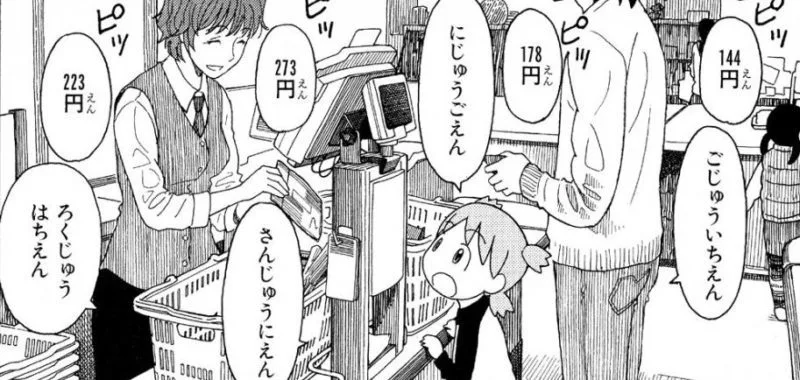
Benefits of learning by translating and writing
There are many benefits to translating texts and writing your own study material. These are the ones I notice most:
- You share what you learn and help other people study Japanese;
- Checking the meaning of words in several places sharpens your research skills and reinforces your memory, and you learn to tell which explanation really fits the sentence;
- Translating texts and songs is a good way to get around procrastination, because studying stops feeling boring;
- In my experience, sentences are the best foundation for learning a language; they do much more than memorizing vocabulary tables or filling in gaps on a worksheet;
- As you work through each sentence and each word, you also learn Japanese grammar;
- By studying sentences without worrying about writing, you end up memorizing many kanji without even noticing.
What you write does not have to stay with you. Send it to our team: we review the material, publish it and even help improve it. What you write also helps the site grow and reach other learners. Anything related to the Japanese language or to Japan can become an article, so you do not need to limit yourself to this method. xD





Community
Comments
0 comments
There are no published comments in this language yet.
Send comment