
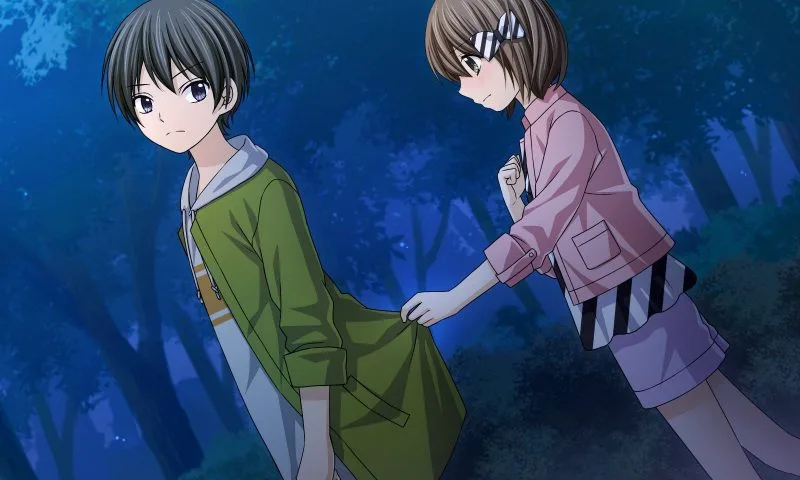
Have you noticed that across anime, manga, Japanese dramas, and romance films, there is a recurring scene that makes the viewer's heart flutter? A shy couple walks side by side, their conversation momentarily fades into an awkward silence, and the girl suddenly reaches out to grasp the hem of the boy's shirt or sleeve. In this article, we explore this iconic romantic Japanese gesture, uncovering its cultural roots, its emotional weight, and why it holds such an enduring place in modern Japanese pop culture.
In everyday Japanese, people refer to this gesture through several evocative phrases. Searching for fuku o tsukamu [服をつかむ], which translates literally to grabbing clothes, reveals thousands of illustrations depicting this tender interaction. Another widely recognized term is suso o tsukamu [裾をつかむ] or fuku no suso o hipparu [服の裾を引っ張る], specifically describing the act of tugging at the lower hem of a shirt or jacket. In romance narratives, writers also frequently showcase sode o hipparu [袖を引っ張る], where someone gently pulls on a sleeve cuff to catch another person's attention.

When examining Japanese courtship, one quickly realizes that indirect communication carries immense emotional weight. Public displays of affection are traditionally viewed with hesitation and modesty. Because walking hand in hand or sharing an embrace in public can feel overwhelmingly bold for reserved individuals, a delicate tug on cloth functions as an intimate bridge. Understanding this gesture reveals how Japanese characters and real couples convey deep tenderness without demanding a dramatic verbal confession.
Contents 4
Why Does Grabbing Clothing Make the Heart Race?
Gently tugging or clutching the hem or sleeve of a partner's clothing has enchanted observers for generations. This physical cue connects directly to universal memories of childhood. As young children, we instinctively pulled at an adult's coat or trousers whenever we wanted guidance, felt frightened in large crowds, or needed immediate reassurance. That subconscious association remains active into adulthood, prompting an immediate surge of care and tenderness in the person whose clothes are tugged.

In Japanese relationship psychology, this gentle pull awakens the masculine protective instinct known as Hogoyoku [庇護欲]. Simultaneously, it sparks the unmistakable chest-tightening sensation that Japanese fans call Kyun [キュン]. Because Japanese men can be hesitant to initiate physical contact on casual dates, a woman often uses this subtle touch to take the lead. She effectively closes the physical gap between them while remaining respectful of personal boundaries.
Modesty in public spaces remains a central concern in Japanese social life. Anyone learning about how society views kissing in public across Japan discovers that even straightforward handholding can feel intimidating during early dates. Grabbing a hem solves this dilemma with graceful subtlety. The gesture wordlessly communicates a heartfelt message: I want to hold your hand, but shyness holds me back. Furthermore, in crowded subway stations or busy shopping districts, this touch keeps partners closely connected without demanding awkward explanations.

What Does Grabbing the Hem of the Shirt Mean?
In manga and drama criticism, writers often say that clutching a boy's shirt is akin to holding onto his heart. By reaching for the fabric, a person reveals vulnerability while keeping their face downcast to hide blushing cheeks. The movement mirrors the hesitant longing of missed opportunities, transforming nervous hesitation into an unforgettable romantic milestone.
For dating advice in Japan, this gesture stands out as one of the most charming methods to win over a partner and kindle emotional closeness. Bolder individuals choose to grip the sleeve right near the wrist, clearly hinting at a desire to lace fingers together. Others might lean gently from behind during a quiet pause, creating a warmth that requires no spoken words.

Japanese illustrator kuro293939, known for sharing valuable tutorials on manga art and anatomy, systematically demonstrated how subtle posture adjustments alter the narrative subtext of this touch. His drawings outline four distinct variations:
- One foot placed forward with the other trailing back: This posture embodies gentle hesitation. The character desires physical contact but continues to second-guess their own boldness.
- A tense grip driven by fear or anxiety: This pose appears regularly during spooky scenes or during the traditional summer courage test known as Kimodameshi. Here, the character seeks shelter from frightening surroundings and anchors themselves to a dependable companion.
- Clinging tightly with both hands: A desperate two-handed clutch conveys an urgent plea not to be left behind. In high-stakes emotional moments, it wordlessly begs the other person to stay.
- One hand holding the fabric while the other forms a fist: The clenched fist signals the immense inner resolve needed to overcome shyness and initiate physical contact.
Cultural Background: Amae and the Language Without Words
To appreciate why this action resonates so deeply, one must look toward Japanese social psychology. Renowned psychoanalyst Takeo Doi introduced the foundational concept of Amae [甘え], which describes the human desire to depend upon a loved one's goodwill, warmth, and benevolence. Grabbing someone's shirt hem represents the physical embodiment of this concept. By holding the garment, the person allows themselves to display dependence, asking for protection in an atmosphere of mutual trust.
While Western romance often celebrates verbal affirmations and overt physical displays, Japanese romance prioritizes the art of Kuuki o yomu [空気を読む], or reading the atmosphere. Whether navigating celebrations like Valentine's Day in Japan or enjoying a quiet evening stroll, attuned partners pick up on subtle non-verbal signals long before formal romantic confessions take place. Recognizing these moments helps couples understand the gradual stages of intimacy, including finding the right time to kiss without rushing past necessary boundaries.
Why This Quiet Gesture Remains Timeless in Anime
Grabbing the hem or sleeve of a companion holds timeless appeal because it treats intimacy with patient reverence. Within anime and manga, this quiet moment almost always signals a pivotal turning point in the storyline. Immediately after someone holds onto the fabric, lingering misunderstandings clear up, barriers dissolve, and characters find the courage to reveal their authentic feelings before a formal confession [告白, kokuhaku].
For anime fans and cultural enthusiasts, this modest gesture offers an insightful window into Japanese emotional expression. It demonstrates that social restraint and quiet hesitation enrich romantic connection rather than diminish it. The next time you watch a story where a character silently grasps the hem of their companion's clothes, you will recognize the complex storm of affection, vulnerability, and devotion hidden inside that single, gentle motion.





Community
Comments
0 comments
There are no published comments in this language yet.
Send comment