
The prisons in Japan are called Keimusho [刑務所], and what hits first is not the concrete. It is the silence: a prescribed way to walk, sit, eat, and sleep, and workshops where one guard can watch forty inmates.
Unlike the idea many people bring from movies, Japan does not suffer from overcrowded or collapsing cells. Inmates wear the same uniform, receive the same ration of food, and live inside a clock of work and routine that leaves little room to improvise.
Fortunately, Japanese prisons have almost no violence among prisoners; no revenge killings and no rapes. Things are so orderly that there is usually only one guard to take care of 40 inmates.
Prisoners are classified according to gender, nationality, type of sentence, duration of the sentence, degree of criminality, and physical and mental health. The system splits adults, juveniles, and women into different facilities; historically there were also women’s guidance homes, which is not the same thing as a keimusho.
Prisoners wear uniforms and there is a prescribed way to walk, talk, eat, sit, and sleep. If a mistake is made, punishment is administered. The most common is the loss of privileges, such as recreation time, access to TV, and the more sought-after jobs.
Contents 10
What Happens When You Are Arrested in Japan?
Before talking about prisons, it helps to understand what happens at the moment of arrest. In Japan the investigation stage is long and the pressure to talk is real. That is not the same as “guilty until proven otherwise” written into the Constitution — but in a police station the difference can feel thin.
Prosecutors in Japan rarely take a weak case to trial. That is why the famous conviction rate above 99% refers to people who have already been indicted, not to everyone who is ever stopped by the kōban. Plenty of cases are dropped before that point. If you keep insisting you are innocent, investigators may read it as a lack of remorse. That pressure is exactly why the system is criticized as “hostage justice,” not a reason to sign a confession you do not understand.
The first hours can be harsh: long questioning, little rest, and food that is not meant to comfort anyone. A person can be held by the police for 48 hours, then sent to a prosecutor, who has 24 hours to ask a judge for detention. The judge can grant 10 days and then another 10. Added up, that is up to 23 days without an indictment. In some cases police re-arrest on a related charge and the clock starts again.
A foreigner can ask for the embassy to be notified; it does not always happen automatically. Court-appointed counsel exists, and a private lawyer in Japan is another story in cost and availability. If you are later convicted, books in your language may be allowed, depending on the prison and the censors.
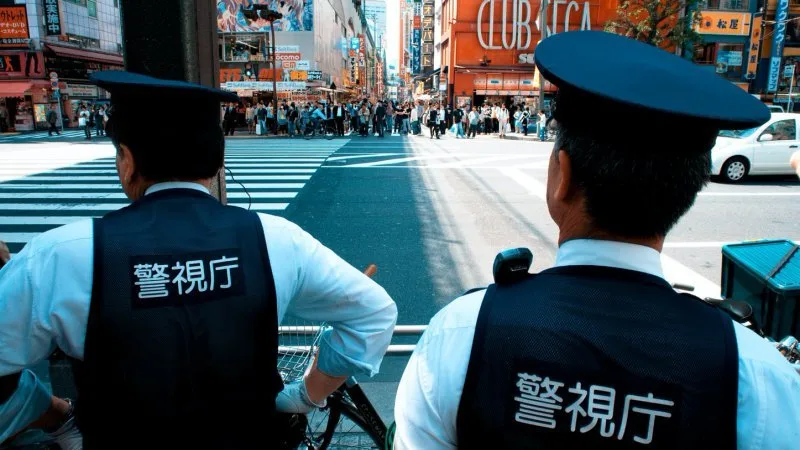
I Was Arrested in Japan, But I'm Innocent. Am I Screwed?
I have read comments from people who swallowed a frightening article online and packed it next to the usual things to know before traveling to Japan, as if a tourist were one wrong turn from a life sentence. Things are not quite like that. The facts need a little air.
First, people need to stop believing everything they read on the internet. Some of those pieces start from real rules and then stretch them into a horror story made to be shared.
In Japan, police and prosecutors usually build a file before they lock someone up. A person is typically arrested when caught in the act, identified clearly, or when investigators believe they already have the case. That is not a promise that mistakes never happen.
There have been cases where the investigation put innocents in a cell, and the apology came only after years. The best-known recent name is Iwao Hakamada: a former boxer sentenced to death, held for decades, and acquitted in a 2024 retrial after the court found the key evidence had been fabricated. He later received compensation measured in hundreds of millions of yen. He is not the only postwar retrial acquittal — just the one that finally became impossible to ignore.
These cases are rare, and they sit next to a system that still prefers a confession on paper. A tourist who bumps someone on a station stairs is not treated like a death-row file. Drug offenses, assault, and visa crimes are another conversation: those do put foreigners in detention, and the embassy will not rewrite Japanese law for you.
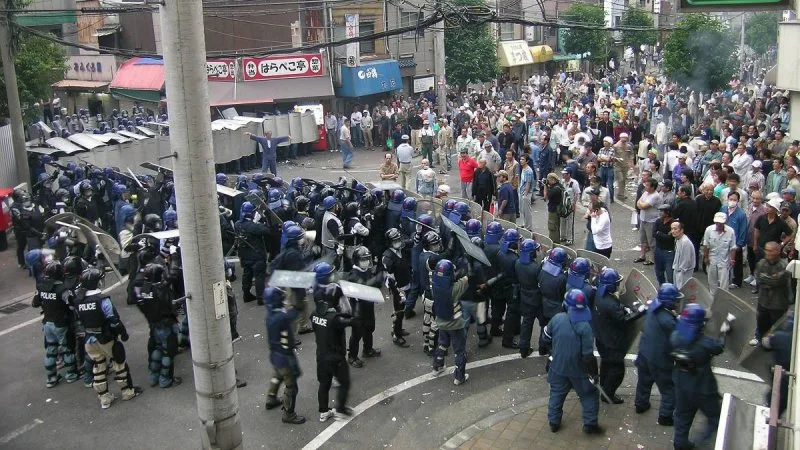
Types of Prisons in Japan
There are different types of prisons and detentions in Japan. In short:
Kōchisho [拘置所] — A Ministry of Justice facility that mainly houses unconvicted prisoners (criminal defendants) and people sentenced to death. A strict house: each person is usually placed in a cell in isolation.
Shōnen keimusho [少年刑務所] — It holds people who received a penal sanction as juveniles. Although it is intended for those under 20, it can accommodate inmates up to 26.
Joshi keimusho [女子刑務所] — Women’s prisons, run on the same disciplinary logic as the men’s houses. There is no separate juvenile prison for girls; they are housed in wings of a women’s prison.
Keiji shisetsu [刑事施設] — The legal umbrella for penal institutions: prisons, juvenile prisons, and detention houses that hold sentenced people, death-row inmates, and suspects in custody. Under the old penitentiary law, people simply said “prison.”
The law has changed more than once. It helps to keep detention, conviction, and rehabilitation in separate drawers. For a long time, sentenced people fell into these punishments:
Chōeki [懲役] — Imprisonment with labor. The classic sentence: you serve time and you work.
Kinkō [禁錮] — Imprisonment without a legal duty to work. In practice it was the smaller category, often associated with negligence or political cases.
Kōryū [拘留] — A short custodial penalty, also without a work obligation. Days, not years.
In June 2025 those two long sentences, chōeki and kinkō, were unified into a single penalty called kōkin-kei [拘禁刑]. For crimes committed after the change, labor is no longer automatic. The official line is rehabilitation and fewer repeat offenses; people already serving the old sentences stay under the old labels.
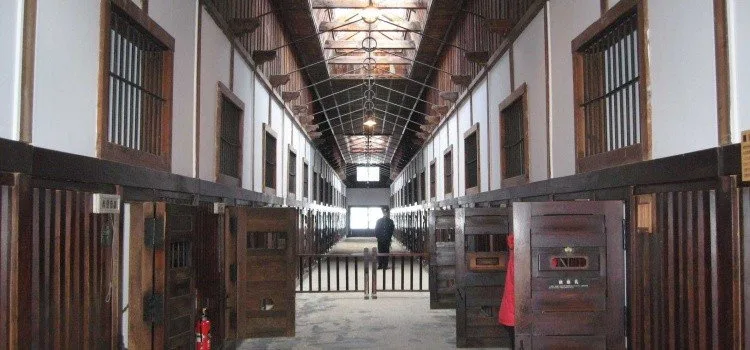
How Are Prisons in Japan?
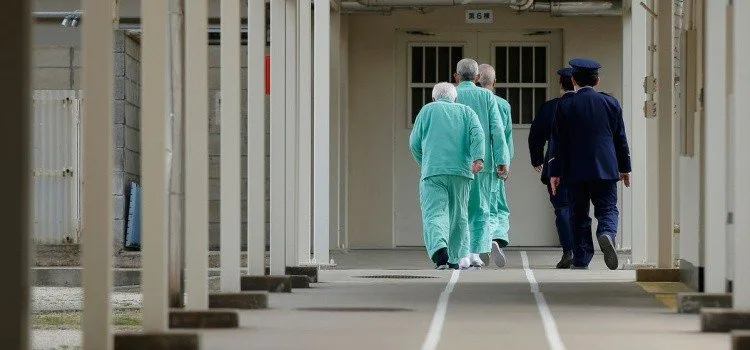
The jails and prisons in Japan are well regulated and strict. Upon arrival, you receive a thick manual on how to behave inside. That manual is a better explanation than high walls for why there is so little open violence, and why guards do not walk around with rifles.
The inmates wear uniforms, and there are rules for everything: walking, eating, sitting, standing, sleeping, and even talking. If the rules are not followed, punishment may be applied. You eat looking down. You sleep showing your face. Covering your head with a blanket can already be a problem.
Showers or communal baths are often allowed only a few times a week under the supervision of guards. At Fuchū, Japan’s largest prison, inmates typically bathe three times a week. The infirmary is used for what the staff treat as real emergencies; smaller pain is often endured, in part because doctors are not standing by in every corridor.
External Contact
Talking is allowed only for a limited time and during the day. There are no conjugal visits. Family visits are short — often between 5 and 30 minutes, with a floor of a couple of visits a month that can rise if you earn privileges. Visitors are usually close relatives or lawyers, not a girlfriend the prison has never recognized.
Letters are controlled, reviewed, and censored. Prisoners pay for postage and paper. There is usually a cap on how many letters you may send, not on how many you may receive. Visits are often expected to happen in Japanese unless special permission is granted. Foreign inmates at Fuchū can use an English-language library and consular visits, but that is an exception built for a specific house, not a right you carry from the airport.
Depending on the prison, prisoners work internally or for companies that contract with the government. The pay is small — on the order of a few thousand yen a month, not an hourly wage that looks like a job. For some, it is still the only window onto a workshop that is not a cell.
Meals in Japanese Prison
Meals follow a calorie limit. There are three a day: rice, vegetables, and a little meat or fish. Many people lose weight. The vast majority eat Japanese-style food.
Those with religious restrictions can request a diet through the bureaucracy. Foreigners can sometimes choose bread instead of rice at breakfast.
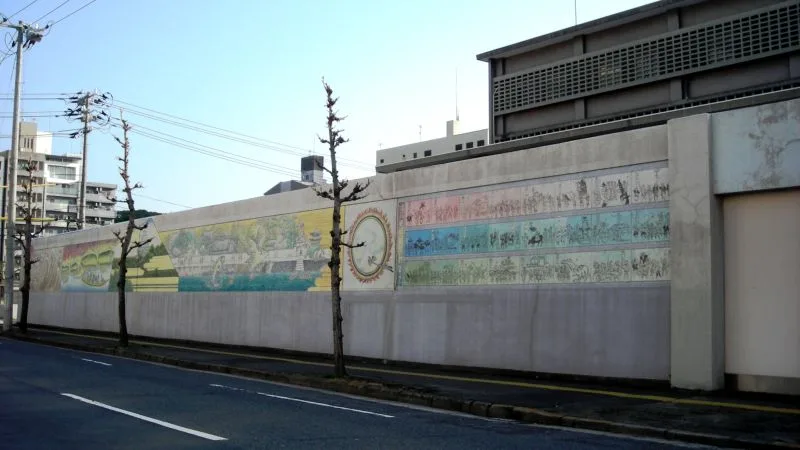
Good Things in Japanese Prison
Professional and formal education is emphasized, along with instruction in social values. Most convicts do some kind of labor, and a small allowance is reserved for use upon release.
Prisons in Japan run on incentives. Prisoners often start in a communal cell and then earn better accommodations and extra privileges through good behavior. There are grades: the higher the rank, the more letters, visits, and small comforts.
Although some young offenders are treated under the general penal system, most go to separate training schools. Those houses are more lenient than a keimusho and mix correctional education with regular schooling.
Volunteers also help supervise probation, while professional officers usually keep the people considered at high risk of coming back. The 2025 reform added more room for courses aimed at age, addiction, nationality, and health — including the awkward fact that some Japanese prisons now look a little like care homes.
Problems in Japanese Prisons
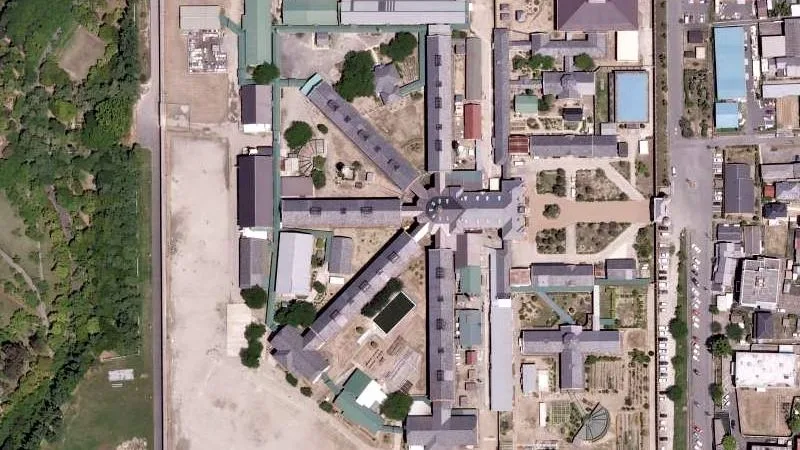
One of the hardest practical problems is winter. Many older buildings have little or no heating, and former inmates talk about extreme temperatures as much as they talk about the rulebook. Sanitation and access to a doctor are recurring complaints, even in houses that look spotless in a photograph.
The rules are also heavier for foreigners who cannot follow orders in Japanese. Silence during work and meals is not a suggestion. The official reason is order: if the guards cannot understand what is being said, they cannot stop a plan. The human cost is isolation on top of the sentence.
Many people call Japanese prisons too strict, cruel, inhumane, and draconian. From the inside, it can feel as if the staff are ready to make your day smaller for a folded blanket. Does this treatment really help anyone readjust?
The system offers a kind of personal restructuring, but that depends on the person. If there are laws inside, it is because someone broke them. People still fight over a TV program. Some take their own lives. Order is not the same thing as care, and the medical side of a prison is not a hospital.
Japanese Prisons vs. Prisons in Brazil
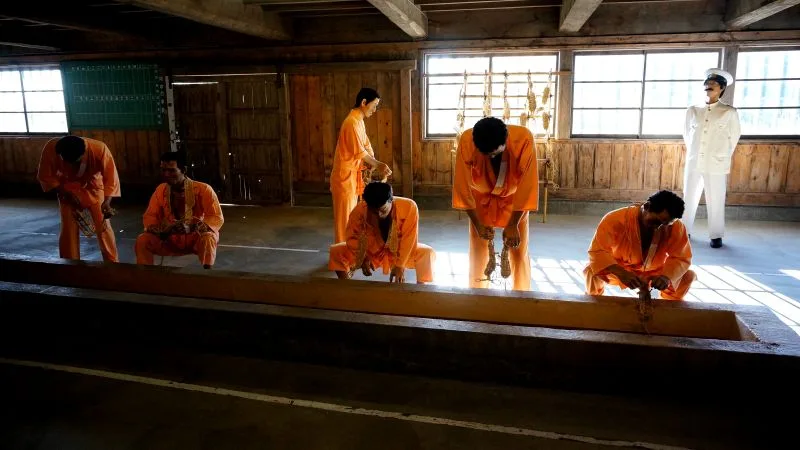
Some people question the strictness of Japanese prisons, but it has been much worse. In the era of absolute emperors, a Japanese prison could be a slow machine of punishment. Guards tortured inmates; overcrowding was solved with violence. That past is not a tourist myth, and it is also not North Korea with a different flag — it is simply a reminder that today’s rulebook is already a reform.
Compared with that history, today’s keimusho can look almost polite: folded futons, mint-green walls, one or two officers in a workshop of sixty men. Calling them luxury hotels is a joke that only works if you have never had to sit in the prescribed posture until lights-out.
Brazil’s yards, for someone who grew up watching them on the news, make the Japanese silence look like another planet. Many Brazilian prisons are lawless, filthy, and violent, and people still call them a school of crime. If you feel sorry for the man folding a blanket in Fuchū, keep a little pity for the man who cannot sleep because the cell next door belongs to a faction. The uncomfortable difference is not comfort. It is who actually serves the sentence.
Curiosities About Prisons in Japan
Japan now holds a little over 41,000 people in penal institutions, or about 33 prisoners per 100,000 inhabitants. That is far below the peak of the mid-2000s, when the count passed 80,000. The old talking point of “75,000 and rising” is a snapshot from around 2009, not the present. One reason the system still feels crowded in places is age: more elderly people are serving time, some after small thefts tied to loneliness or a thin pension, and Fuchū has said more than one in five of its inmates is 65 or older.
Those under 20 are usually sent for educational correction, not into an adult keimusho. The number of young prisoners is much lower than the adult count, mainly because of the low crime rate. In Japan you still hear the line: young people are the future of the nation.
Volunteers help supervise people on probation. Many of those volunteers are themselves over 50.
The adult map is roughly 62 prisons, plus juvenile prisons, detention houses, and a long tail of branch facilities — about 184 penal institutions if you count the branches. On top of that sit juvenile classification homes, training schools, regional parole boards, and probation offices, which are not the same as a keimusho.
There is a heavier punishment that involves sitting on your knees facing a wall for hours, and solitary confinement is still used. Japan still carries out the death penalty by hanging, a method that has been on the books since the 19th century, for the most serious crimes. Death-row prisoners wait in kōchisho, often in isolation, not in the ordinary workshop of a keimusho.
Work remains the daily grammar of most houses, six days a week, even after the 2025 reform changed what a new sentence is allowed to demand. Maintenance, contract jobs, printing, sewing, caregiving courses for younger men who now help older cellmates — the workshop did not disappear. It just stopped being the only legal point of the sentence.
What do you think of Japanese prisons? Do you know a detail that was left out? Leave your comments and share with friends.



Community
Comments
0 comments
There are no published comments in this language yet.
Send comment