
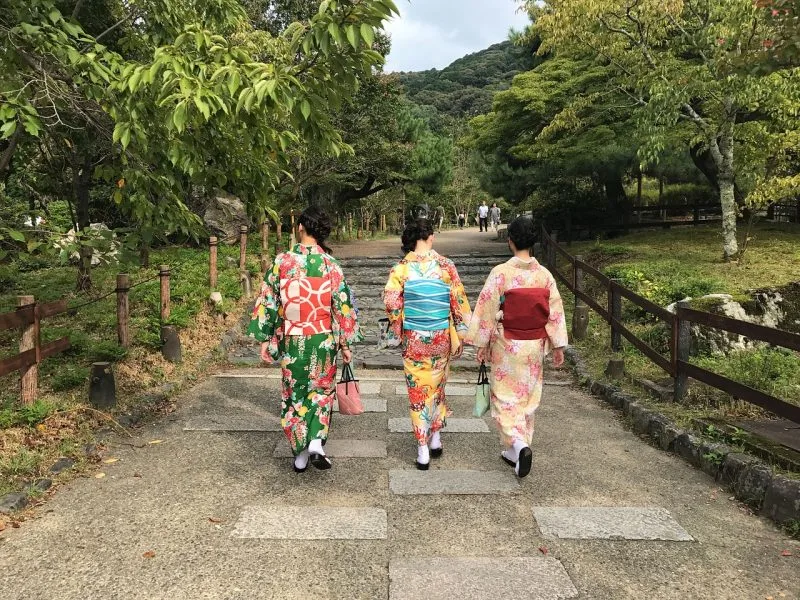
Have you heard of Ryosai Kenbo? In modern times, women have been creating their space more and more. Increasingly having opportunities and equal treatment as men in any type of environment. But to see the great future, sometimes we need to look back.
Ryosai kenbo is a small phrase that was created by a Japanese scholar in the 19th century. We can say that this small phrase had and still has a great impact on society. After all, it defines a certain idealized and delimited space for women.
But hold on, let's explain this topic a little better. But we have to remember that we cannot affirm or discuss, much less judge things from the past. After all, what we see today as wrong could have been seen as right in the past. Let's get to the point.

Contents 3
Ryosai Kenbo - 良妻賢母
This small sentence can be represented by another with just four words in Portuguese. “Good Wife, Wise Mother” or “Wise Wife, Good Mother.” This term was coined by Professor Nakamura Masanao in 1875.
Ryosai Kenbo represented the ideal for femininity in East Asia. Especially in countries like Japan, China, and Korea in the late 1800s and early 1900s. And even today, its effects continue in society, or some part of it.
During this period, it was expected that women would master domestic skills such as sewing and cooking. In addition to developing moral and intellectual skills. All with the goal of raising strong and intelligent children for the nation.
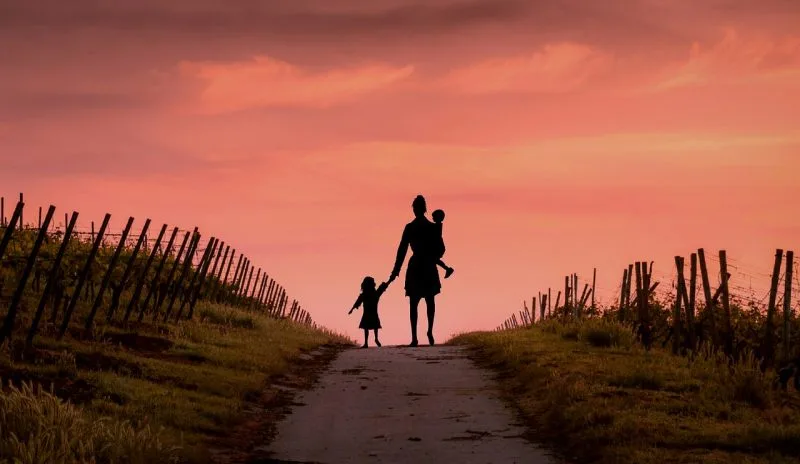
As can be deduced, raising children was considered a "patriotic duty." Yes, we can say that women were entrusted with the “future of the nation.” We can even assert that they had a very important duty on their shoulders. But let's set aside patriotism.
In Japan, this philosophy seemingly declined after World War II. However, some feminist historians argued that it existed in Japan even in the 1980s. Speculations aside, let's discuss the more regional effects of the philosophy.
Ryosai Kenbo in Japan
The phrase “good wife, wise mother” appeared in the late Meiji period in the late 19th century. An important thing to highlight is that during World War II, we had some changes in education and thought.
For example, Ryosai Kenbo was taught to promote conservative, nationalist, and militaristic state policies. In addition to trying to support a developing capitalist economy. Among other details not mentioned here.
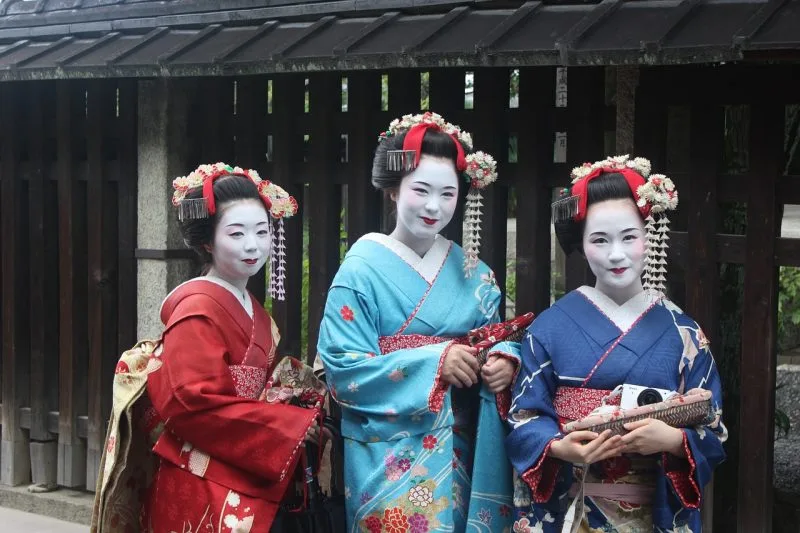
From the late 1890s until the end of the Second World War, we had another historical milestone. Ryosai Kenbo became increasingly predominant in mass media.
In addition to gaining more and more space at the highest levels of public and private girls' schools. Just to provide a basis for seeing the growth, let's highlight two points.
In the 1890s, “good wife and wise mother” was taught only at the highest levels of education. Which were where the elite of high-class girls attended.
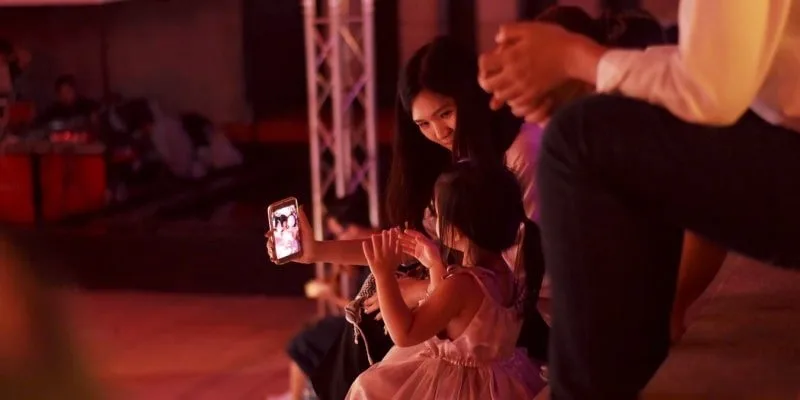
Soon it was introduced into the curriculum of primary schools. This happened when the 1911 revision of ethics textbooks was published.
It may only be 20 years, but it affected entire generations of women. Let's say the effects must not have disappeared until today. Of course, there has been a reduction, but nothing that completely erases it.
Did you know that women in Japan often manage the family's finances?
Ryosai Kenbo for Women
Women were taught to fulfill this role because of nationalism. The Empire wanted to prevent Western invasion. At that time, Western countries were making improvements in women's social rights.
Like suffrage, Japan was just beginning to confront women's movements. Thus, Japan tried to establish the role of women and control new social movements. And for that, it had to resort to means through regulated education and prohibiting social and political rights.
But as I said earlier, we cannot discuss and much less judge decisions and actions from the past. Especially things that happened centuries ago. The past is gone, all we can do is in the present.
We can only judge things that are within our reach. Of course, this is not an absolute thing, but it is what generally happens. Ryosai Kenbo was a widely spread philosophy, and even today it has its effects.
But anyway, what do you think of this philosophy? If you have any questions, suggestions, or anything like that about ryosai kenbo, just leave your comments. Also, I ask that you share the site on social media, it helps a lot. Otherwise, thank you for reading this far, see you in the next article.





Community
Comments
0 comments
There are no published comments in this language yet.
Send comment