

Plenty of anime start as manga or light novels. Both formats travel the world, but they do not share the same shelf space in the fandom. In English-speaking circles, manga still steals most of the oxygen: weekly chapter talk, bookstore tables, and endless recommendation lists. Light novels get quieter airtime, even when they are the source the anime is adapting.
That gap is not about a lack of titles. There are mountains of light novels. What changes is habit. If you only follow manga and anime, prose can feel like extra homework—especially when the manga already has drawings that sell every emotion in a single panel. So why bother reading the novel?
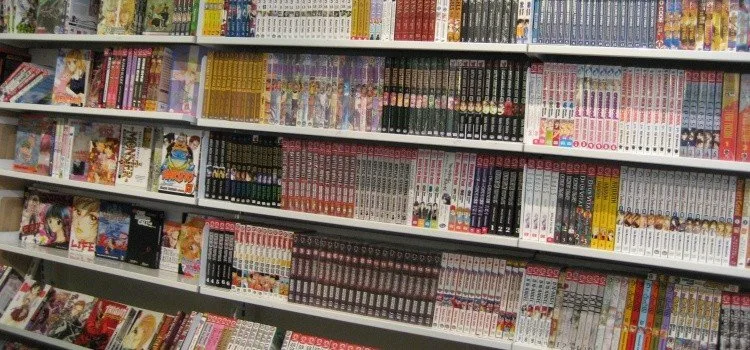
Part of the answer is access. Official English editions used to lag hard behind Japan; fan translations filled the gap and then faded as licenses expanded. Even today, some series move faster as digital drops than as print. Still, the bigger barrier is cultural: many otakus treat reading without pictures as optional. That assumption is exactly what this piece pushes against.
If you want a clean definition of the format first, start with what a light novel is. Here the question is different: is the time investment worth it when manga and anime already exist?
Contents 3
Why read light novels?
It may not look like it at first, but light novels push imagination harder than manga and anime usually do. Manga hands you faces, costumes, and camera angles. Anime adds motion and voice. A light novel still offers occasional illustrations, yet the story lives in exposition, inner monologue, and the details the author chooses to spell out—or leave half-open.
To put that into practice: I have long followed the Overlord light novel. From volume 10 onward I was grabbing rough English drafts online and translating pieces myself just to keep up. The fun was not only the plot. The text forces you to build a whole fantasy world from sentences—politics, magic systems, the weight of a character’s silence—without a panel to lean on every page.

Imagine standing in a new fantasy setting with almost no base drawing, only what the author has already told you. If you cannot hold a rough map of that world in your head, the story will eventually slip. That pressure is not a bug. It is the point. Almost every novel asks for some of that work; some titles ask more than others.
Compared with a manga adaptation of the same series, the novel often keeps side thoughts, industry talk, or quiet motive that never fit a page of art. That is why so many readers bounce between formats: the manga for pace and faces, the light novel when they want the full interior of a scene.
Imagining is having fun
And as I always say, using your imagination for something like this entertains almost anyone. Just the experience of seeing a world, a creature, or a city in your head—and giving it texture—is already a kind of play.
There is a practical side too. Training that muscle helps with reading stamina and vocabulary. If you already read comfortably in English, light novels are a soft step into longer prose without jumping straight into dense literary fiction. If you are learning Japanese, graded reading with light novels is a whole separate path—worth its own article if that is your goal.
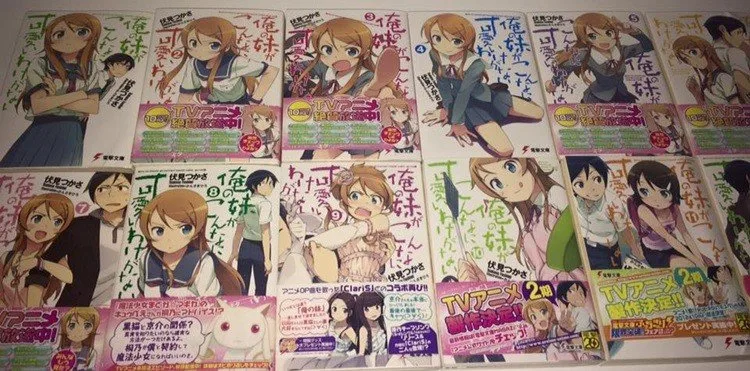
Of course, the more you train imagination, the sharper it gets. But reading light novels is not only “brain training.” It is also a pastime with a different rhythm: fewer page turns per minute than manga, more room for monologue, and a habit of letting the author sit inside a character’s head for a whole chapter.
In short, the reasons stack up. You get detail adaptations skip. You get worldbuilding that refuses to be only pretty. And you get a reading mode that still belongs fully to otaku culture—just with more words on the page.
The situation is changing
The gap is no longer as wide as it felt a decade ago. Light novels keep feeding hit anime seasons, and English-language publishers have made it far easier to buy legal volumes instead of hunting unfinished scans.
You can see the pipeline in titles that broke out through anime and then pulled readers back to the books. Sword Art Online is the classic case of a web novel turned light novel franchise with global reach. Older hits such as Read or Die, written by Hideyuki Kurata, already showed how a novel-born property can jump into manga and anime without losing its bookish DNA. The pattern repeats every few years: anime spikes awareness; the light novel is where the full timeline lives.
On the English shelf, the practical map looks different from Brazil or Japan. Yen Press, Seven Seas Entertainment, and J-Novel Club (with print partnerships that now include Yen Press for some titles) cover a huge share of licensed light novels. Bookstores, Amazon, and digital storefronts stock them next to manga, and digital-first releases mean you are no longer waiting years for every volume.
Availability still varies by series. Some lines race ahead in digital; others sit in back-order print hell. That is not a reason to skip the medium. It is a reason to treat light novels as their own habit—check the official English release, sample a volume, and decide whether the prose gives you something the anime never had room to show.
So is it worth reading light novels? If you only want pictures and punchlines, manga may already be enough. If you care about the uncut version of a story you love—or you want a world that only fully exists between sentences—the novel is not optional homework. It is the main text.


Community
Comments
0 comments
There are no published comments in this language yet.
Send comment