

Have you ever stopped to think about which anime memes and viral trends have taken over the internet over the years? We did some research into the online otaku community to bring you a curated guide to the biggest and most memorable anime memes that spread across forums, social media, and video platforms.
To trace the history of these viral anime memes, we consulted Know Your Meme, one of the most comprehensive digital culture databases online. Through their documentation, we can follow each meme from its obscure Japanese roots to worldwide popularity. Before diving into the list below, take a look at the related viral topics we have already explored on Suki Desu:
- Nevada-tan: A homicide case that became a meme
- Do you know the famous Doge of memes?
- Momo: All about the cursed doll
- Anime characters running with bread in their mouths
- Ahegao: All about strange faces in manga and anime
- Nyan Cat: How did this viral trend start?
- Horse head mask: How did it go viral?
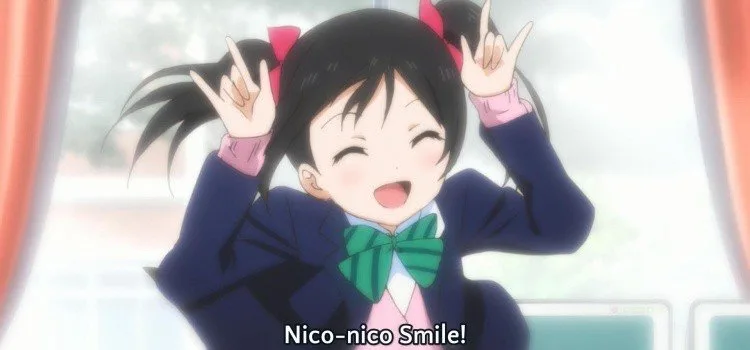
- What does Nico Nico ni mean? Why did it go viral?
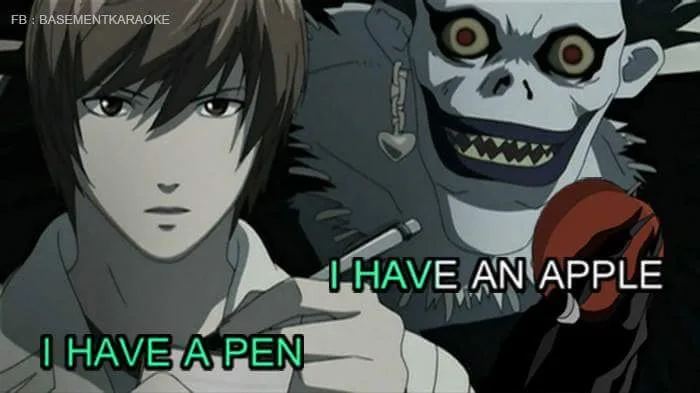
- Pen-Pineapple-Apple-Pen: Japanese viral hit
- Chabudai Gaeshi: Throwing and flipping tables
- Waifu: Do you know what it is? How did it come about?

List of Anime Virals and Memes
On Suki Desu, we frequently cover beloved catchphrases and recurring anime tropes, such as the famous Nico Nico Nii gesture or characters rushing to school with toast in their mouths. Now, let us dive into classic anime memes and viral moments with fascinating backstories that you might not know yet.
Mega Milk (Titty Monster): This recognizable exploitable format features an anime girl pulling a manic, joyful face while wearing a two-tone shirt that reads MEGA MILK. The illustration originated from a 2008 adult dōjinshi titled Tiny Boobs Giant Tits History by artist Akira Shiden. Starting around 2010, imageboard communities adopted the frame as a redrawing template for countless pop culture characters.
Yaranaika? [やらないか?]: One of the oldest Japanese internet memes, this iconic catchphrase translates to "Shall we do it?" in Japanese. It comes from the opening sequence of Kuso Miso Technique, a 1987 manga one-shot by Junichi Yamakawa published in Barazoku. In 2002, scanned pages of mechanic Takakazu Abe making his smirking expression spread on 2channel and Futaba Channel, transforming Abe into a legendary reaction image and trolling bait across Nico Nico Douga and YouTube.

Just like in an ero doujin!: This phrase, originally written in Japanese as [やめて… 私に乱暴する気でしょう? エロ同人みたいに], translates to "Stop... You intend to violate me, right? Just like in an ero doujin!" It appeared in a 2012 Gundam SEED Destiny parody comic by dōjin circle ReDrop featuring character Lunamaria Hawke. The humorous subversion of adult tropes quickly gained traction as an exploitable joke across Twitter and otaku forums.
My hips are moving on their own: A ubiquitous cliché found throughout romantic and adult manga, the dramatic phrase "Koshi ga katte ni..." became a running joke on 4chan and anime discussion boards around 2010. Fans turned the melodrama of the line into an ongoing copypasta and reaction template used whenever someone reacts uncontrollably to music, hype, or unexpected news.
Pomf Pomf Pomf: In Japanese manga, "pomf" serves as an onomatopoeia for flopping softly onto a bed or cushion, popularized by the dōjinshi Light of Tsukimi Manor 2. The phrase exploded across Western anime fandom in 2011 after internet creator Nyanners released a musical parody using the sound effect set to the instrumental of Kyary Pamyu Pamyu's pop hit PONPONPON.
Te-Te-Te [てってってー]: These catchy phonemes represent the signature rhythmic chorus of "Town," an instrumental background track composed by Go Shiina for Bandai Namco's simulation game The Idolmaster. On the Japanese video-sharing site Nico Nico Douga, viewers created a cultural tradition of spamming "Te-Te-Te" as horizontal bullet comments whenever the song played. The addictive tune became the background music for hundreds of gameplay parodies and MAD remix videos.
It's Over 9000!: In Akira Toriyama's original Dragon Ball Z manga and Japanese anime broadcast, Vegeta reads Goku's battle power as exceeding 8,000 ("Hassen ijō da!"). When Ocean Productions dubbed the scene into English, voice actor Brian Drummond delivered the altered line "It's over 9,000!", crushing his scouter in dramatic fury. The explosive delivery turned into an internet sensation in 2006, serving as the universal standard for describing any impossibly large number.

Impossibru: This famous reaction macro showcases Japanese comedian Ayumu Kato, from the comedy duo Zabunguru, pulling an extreme facial expression of pure panic and disbelief. The frame comes from a 2010 episode of the prank television program Panic Face King, where Kato was ambushed by a mock tactical shootout. The exaggerated phonetics of the caption made it a staple reaction image across Reddit and message boards.
ME!ME!ME!: Released in 2014 as part of the Japan Animator Expo by Studio Khara and Dwango, ME!ME!ME! is a surreal animated short directed by Hibiki Yoshizaki with an electronic soundtrack by TeddyLoid featuring singer DAOKO. The short explores the dark psychological effects of otaku escapism. Its vibrant art style and character designs sparked viral dance loop animations, music video remixes, and cosplay across the globe.
Want more anime memes and virals?
The memes explored here represent only a fraction of the humorous content created by the international anime community. Many viral moments originate from simple catchphrases like "desu", bizarre background animation choices, or unexpected subtitle translations that capture the imagination of viewers.
Because internet culture moves quickly, new anime memes continue to surface every broadcast season. We will keep researching these community phenomena and updating our guides with fresh discoveries. Which vintage anime meme made you laugh the most when you first discovered it? Let us know your favorites as we continue exploring otaku subcultures together.



Community
Comments
0 comments
There are no published comments in this language yet.
Send comment