
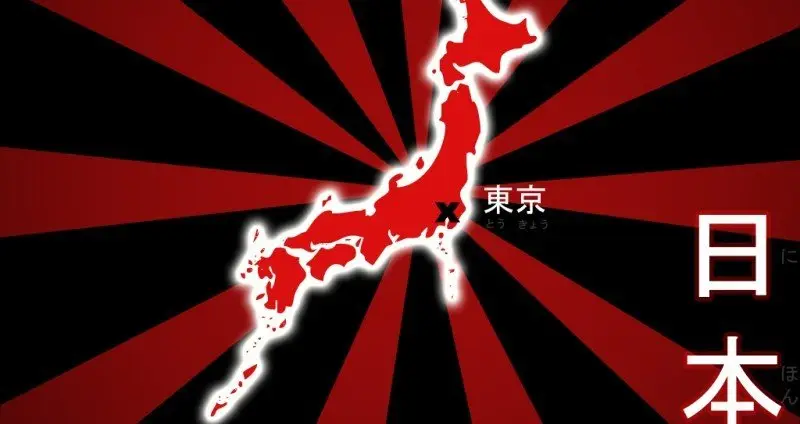
Japan is often reduced to a single image: Tokyo skylines, Kyoto temples, or Mount Fuji on the horizon. But the country makes more sense when you look at its islands. The Japanese archipelago is not just a backdrop on the map. It helps explain why Japan developed such different rhythms of life, climates, economies, and historical memories from one region to another.
Officially, Japan is made up of four large main islands: Honshu, Hokkaido, Shikoku, and Kyushu. In everyday conversation, however, Okinawa is often added as a fifth major island because its history, climate, and culture are so distinct. Looking at these five island spaces together gives a clearer picture of how Japan was shaped over time.
Contents 7
Why do people sometimes say four islands and sometimes five?
The formal answer is simple: Japan is usually described as having four large main islands and thousands of smaller ones. That is the definition you will often see in official materials and geography references. Okinawa belongs to the Ryukyu island chain south of Kyushu, so it is not normally grouped with the four classical main islands in the same strict sense.
Still, Okinawa is frequently included in introductions to Japan because it has a powerful identity of its own. Its Ryukyu heritage, subtropical landscape, wartime history, and long period under US administration make it impossible to treat as just another small island. For readers, travelers, and students of Japanese culture, the “four plus Okinawa” approach is often the most useful one.
- Honshu: the largest island and the main political, economic, and historical core of Japan
- Hokkaido: the northern frontier, known for its colder climate, open landscapes, and Ainu heritage
- Shikoku: the smallest of the four main islands, associated with pilgrimage routes and a slower regional rhythm
- Kyushu: the southwestern island of volcanoes, port cities, and early overseas contact
- Okinawa: a subtropical island world shaped by the Ryukyu Kingdom, war, and a distinct modern identity
Honshu: the historical and political heart
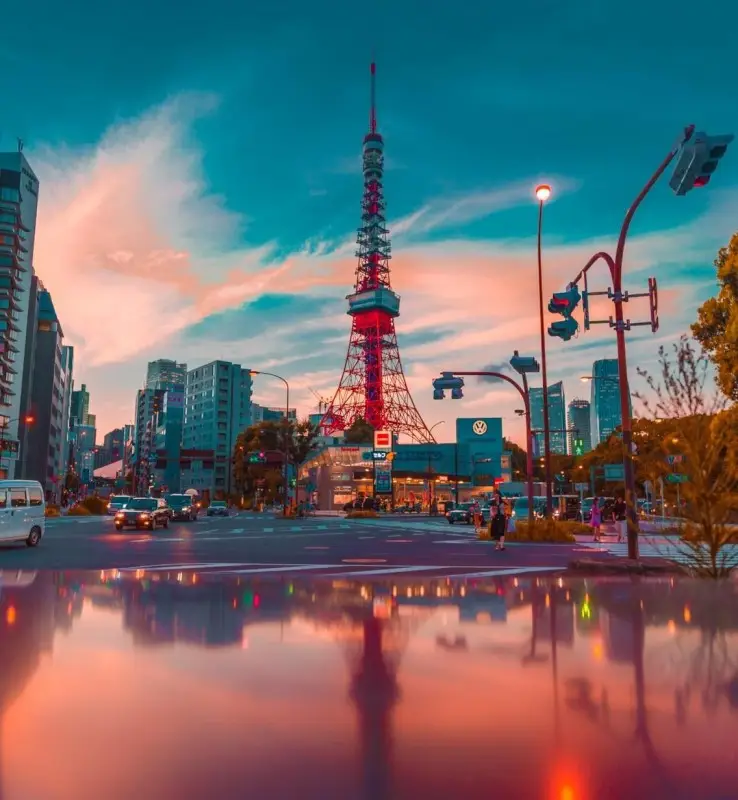
Honshu is the largest island in Japan and the one most people picture first. It contains Tokyo, Osaka, Kyoto, Hiroshima, Nagoya, Kobe, and many other cities that define the country in the global imagination. It also held several of Japan's major historical centers, from Nara and Kyoto to Edo, now Tokyo. Court culture, shogunal politics, industrial growth, and postwar reconstruction all left their deepest mark here.
If you want to understand how political power and population became concentrated in Japan, Honshu is the place to start. The island links ancient capitals, modern financial centers, major ports, and some of the country's best-known cultural landmarks. Readers who want to go deeper into those older and newer centers can continue with our Kyoto guide and our broader Tokyo overview.
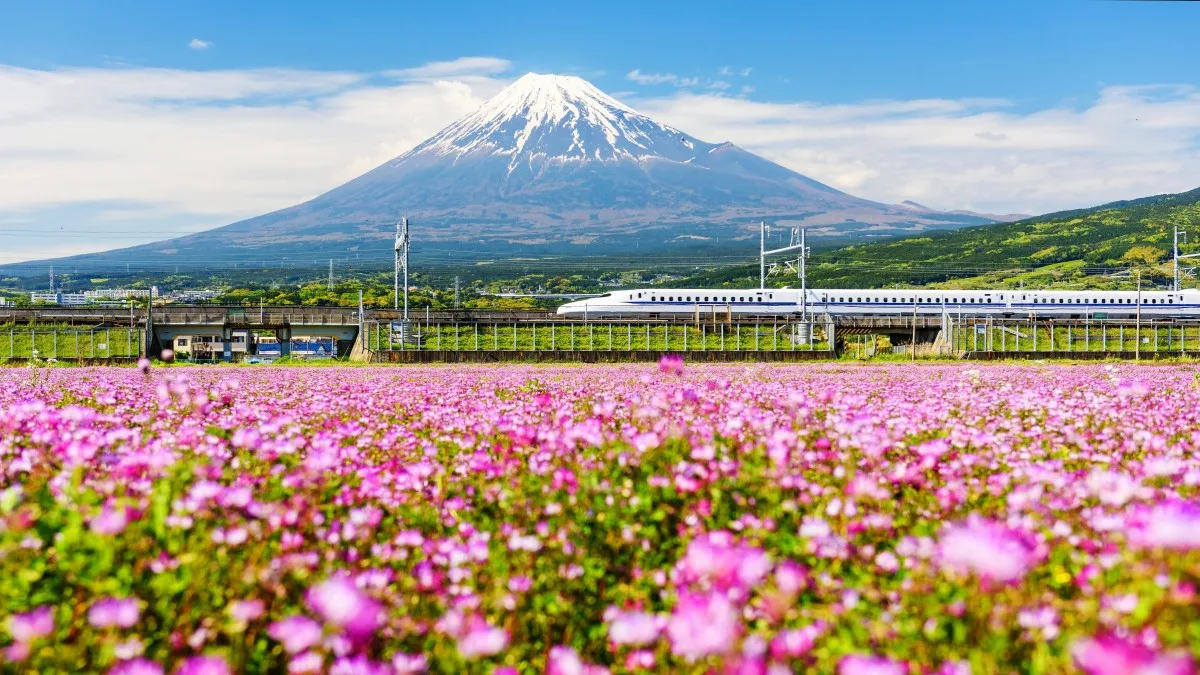
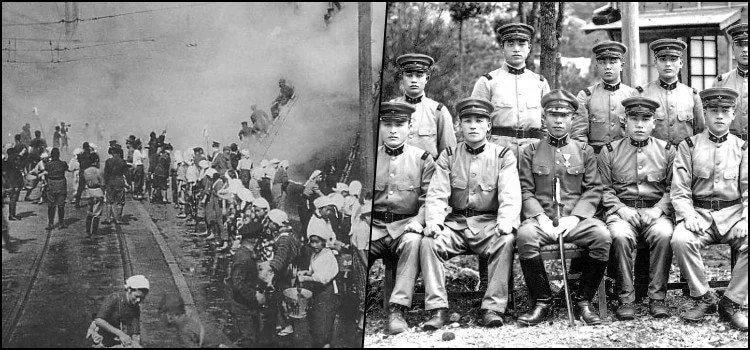
Even broad events in national history are hard to separate from Honshu: the rise of feudal rule, the cultural prestige of Kyoto, the political shift to Edo, the Great Kanto Earthquake of 1923, and the country's postwar urban expansion all help explain why this island still feels like Japan's central axis.
Hokkaido: northern frontier and Ainu heritage
Hokkaido feels different almost immediately. Its winters are harsher, its cities are more spread out, and its landscape has long been tied to agriculture, fishing, forests, and frontier settlement. For much of Japanese history, it remained less integrated into the political core than Honshu. That difference is part of what gives the island its strong regional character today.
No overview of Hokkaido is complete without the Ainu. The island's history cannot be told honestly as if it were an empty northern extension waiting to be developed. Ainu communities, language, and culture are essential to the story of Hokkaido, especially when discussing trade, colonization, and the state-building process that intensified in the modern era. Our Hokkaido guide pairs well with this article, as does our introduction to the Ainu people.
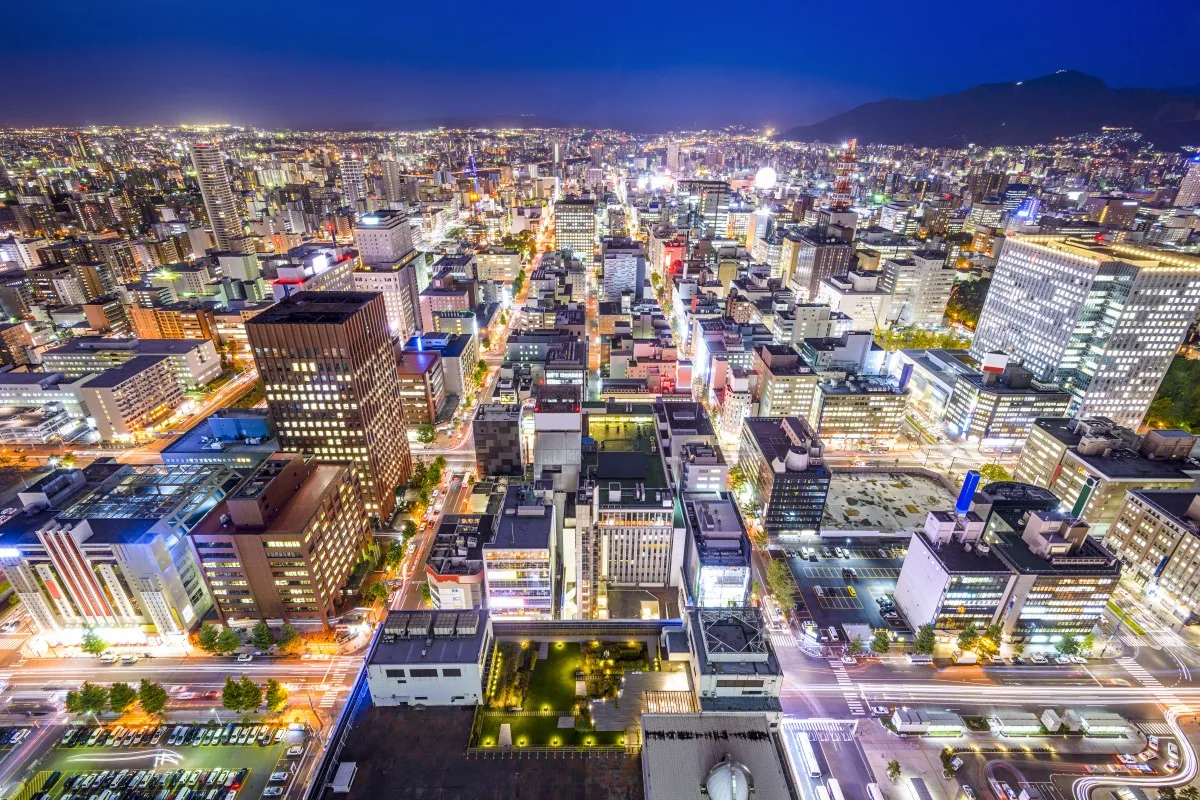
That northern position also shaped Hokkaido strategically. It became important in questions of border defense, resource development, and modern state planning, especially from the Meiji era onward. In other words, Hokkaido is not just “Japan with more snow.” It is one of the clearest examples of how geography changes the way history unfolds.
Shikoku: smaller island, strong traditions
Shikoku is the smallest of Japan's four classical main islands, but that does not make it historically minor. Its name literally means “four provinces,” a reminder of the regional identities that shaped Awa, Sanuki, Iyo, and Tosa. Compared with Honshu or Kyushu, Shikoku never became the main center of national power, yet that very fact helped preserve a quieter and more locally rooted profile.
The island is best known internationally for the 88-temple pilgrimage, but that is only one part of the picture. Shikoku also has a strong maritime history, important castle towns, and a long relationship with trade through the Seto Inland Sea. If you want a closer look at its four prefectures and travel appeal, our article on the island of Shikoku is a useful next step.
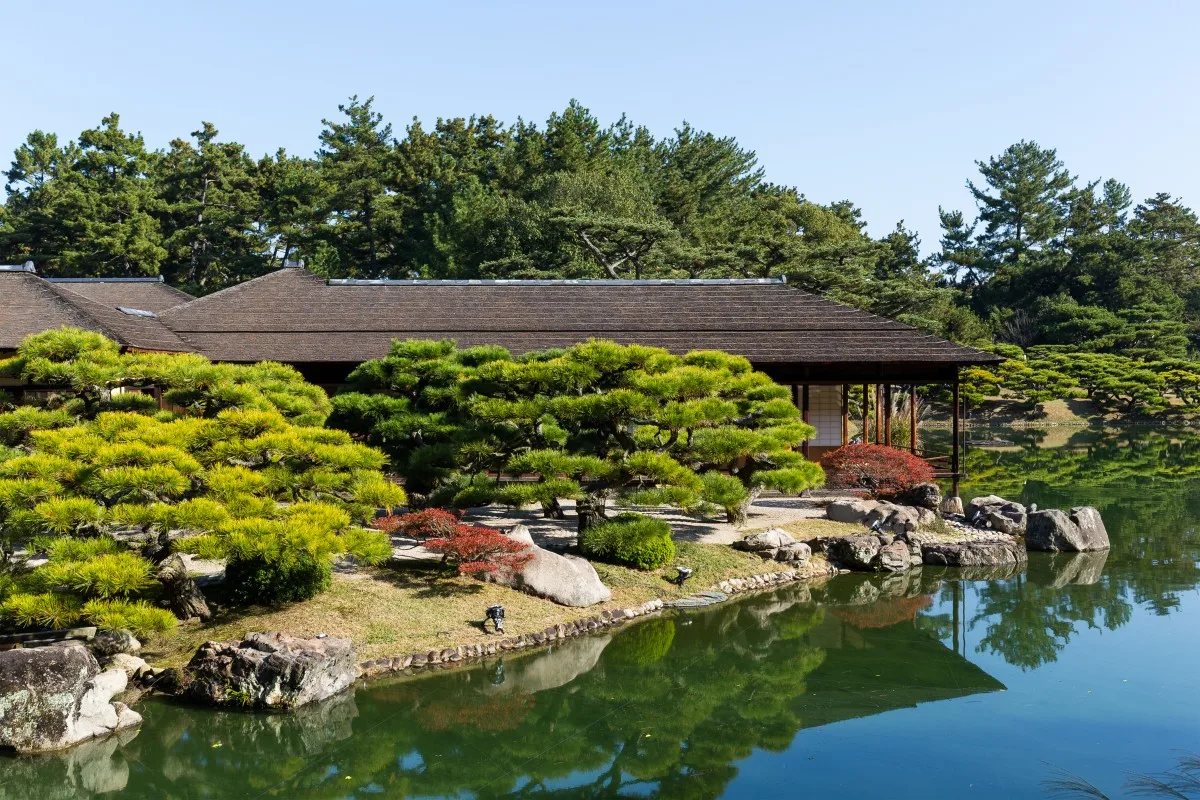
Modern bridges connecting Shikoku more directly to Honshu changed the island's accessibility, but they did not erase its identity. Shikoku still represents a version of Japan where pilgrimage routes, coastal trade, and local culture carry as much weight as major metropolitan narratives.
Kyushu: gateway to the continent and island of change
Kyushu sits closer to the Asian continent than the larger islands farther east, and that position shaped its entire history. The island became a major point of contact for trade, diplomacy, migration, religion, and military pressure. It is also one of Japan's most dramatic landscapes, with volcanic terrain, hot springs, fertile plains, and influential port cities.
Many key episodes pass through Kyushu: the Mongol invasion attempts of the thirteenth century, the arrival of Christianity in the sixteenth century, the importance of Nagasaki in overseas exchange, and the role of southwestern domains in the Meiji Restoration. Kyushu is also central to the story of modern industry, especially in northern urban centers such as Fukuoka and Kitakyushu.
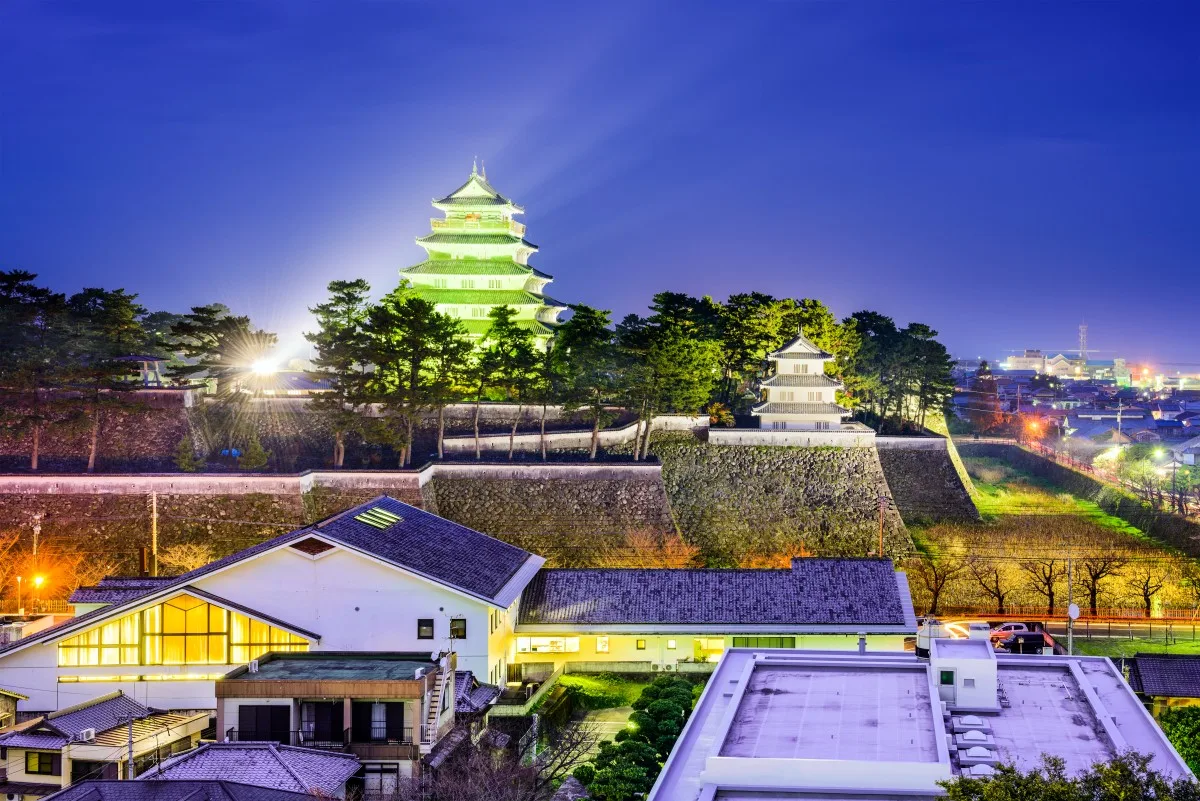
Because of that mix, Kyushu often feels like an island of transitions. It connects Japan to wider Asian networks, but it also tells a deeply internal story about war, reform, faith, and economic change. Few parts of the country show so clearly how international contact can reshape local history.
Okinawa: Ryukyu heritage and subtropical identity
Okinawa stands apart more sharply than any other island in this list. For centuries, the Ryukyu Kingdom developed its own political and cultural world through trade with China, Japan, and Southeast Asia. Even after the kingdom was absorbed into the modern Japanese state in the nineteenth century, Okinawa kept a social and historical texture that feels different from the mainland.
The twentieth century made that difference even more visible. The Battle of Okinawa in 1945 was one of the most devastating episodes of the Pacific War, and the islands remained under US administration until 1972. That legacy still shapes local memory, politics, and everyday discussion about identity. For a wider cultural view, our article on Okinawa as a multicultural archipelago expands on the region's background.
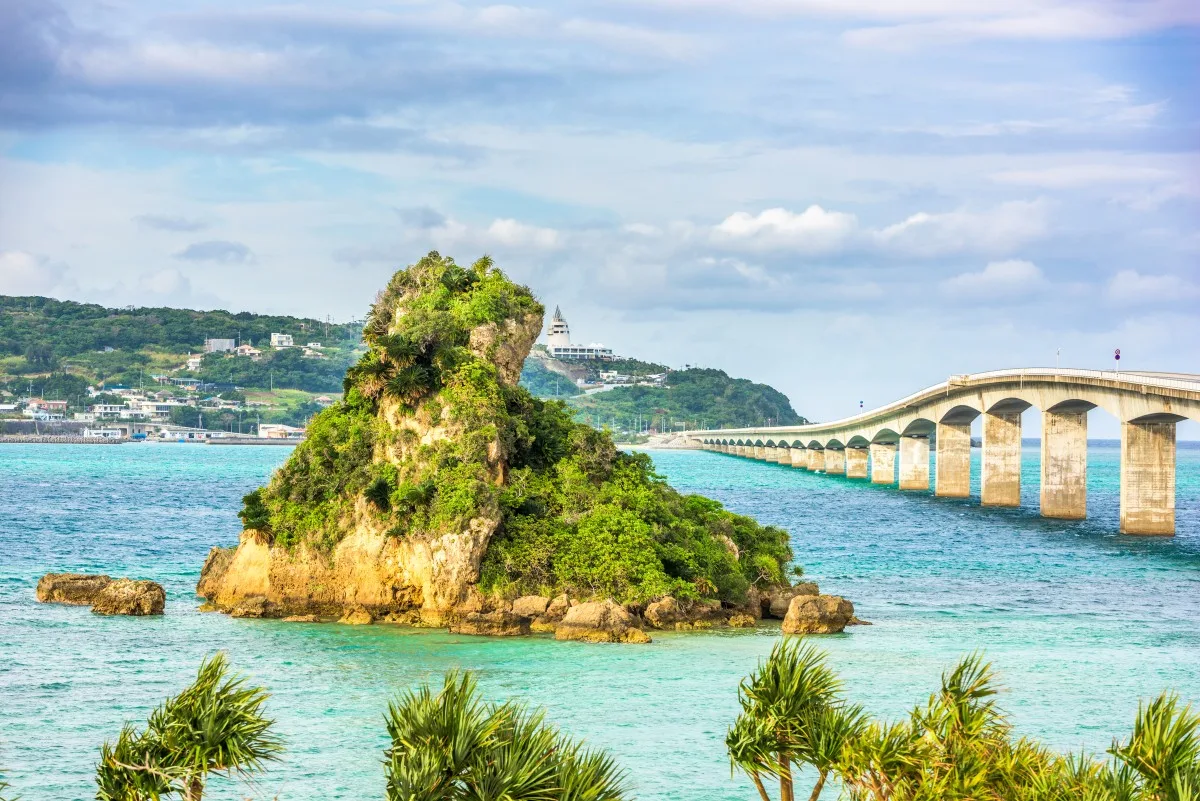
Today, many visitors associate Okinawa mainly with beaches and summer travel. That is part of the story, but not the whole one. The islands also carry memories of kingdom diplomacy, war, occupation, migration, music, cuisine, and a long negotiation over what it means to belong to Japan while remaining visibly different from it.
What makes Japan's islands so different from one another?
The biggest difference is not just size. Climate, access to trade routes, patterns of settlement, and political history all pushed each island in a different direction. Honshu became the main center of power and population. Hokkaido developed through frontier expansion and northern geography. Shikoku preserved a smaller-scale rhythm tied to pilgrimage and regional culture. Kyushu became a contact zone and a region of upheaval. Okinawa carried an island identity shaped by the Ryukyu Kingdom and later by war and occupation.
That is why the islands matter. They are not only travel categories or points on a school map. They help explain why Japan can feel so unified at one moment and so regionally varied at the next. Once you understand the character of Honshu, Hokkaido, Shikoku, Kyushu, and Okinawa, the country stops looking like a single block and starts reading like a layered archipelago with many centers of meaning.




Community
Comments
0 comments
There are no published comments in this language yet.
Send comment