
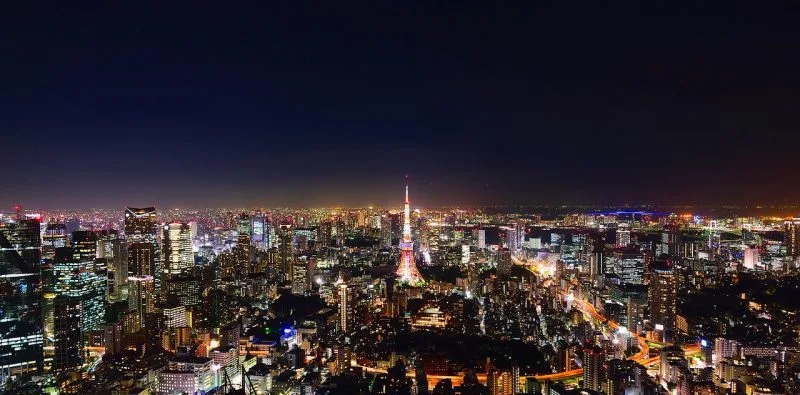
Tokyo, the vibrant capital of Japan, is a city that blends technological modernity with millennia-old traditions. Since 1869, the city has been the heart of Japan, housing the government headquarters, the emperor, and the country's financial center. With its gigantic economy of 2.5 trillion US dollars and over 39 million inhabitants in the metropolitan area, Tokyo is a global phenomenon. This article explores the historical, cultural, and tourist aspects of this fascinating metropolis.
Let's dive into Tokyo's rich history, discover its tourist attractions, and understand why it remains a coveted destination for tourists and pop culture lovers.
Contents 8
The Origin of Tokyo
Tokyo, formerly called Edo, began as a small fishing village. Its transformation into the great metropolis it is today is fascinating and deeply linked to Japan's history. In the late 12th century, the Edo region was fortified by the Edo clan, and in 1457, Ota Dokan built Edo Castle, which would become the heart of the city.
The rise of Edo was driven by Tokugawa Ieyasu, who made the city the center of his government when he became shogun in 1603. During the Edo period, the city flourished and became one of the largest in the world, with a population of one million inhabitants in the 18th century. When Emperor Meiji moved the capital from Kyoto to Edo in 1869, the city was renamed Tokyo, or "Capital of the East," reflecting its new status as the center of imperial power.
The transition to Tokyo symbolized an era of rapid modernization. The old Edo Castle became the Imperial Palace, and the city continued to grow, blending its cultural roots with Western influences. This period was essential in transforming Tokyo into the political and cultural center it is today.

Education and Culture in Tokyo
Tokyo is also a hub of education and culture, home to some of Japan's most prestigious academic institutions. The University of Tokyo, for example, is internationally renowned, as are other esteemed institutions like Waseda University and the Tokyo Institute of Technology. Public and private education is highly valued, and thousands of students from across the country migrate to the city in search of excellent education.
Ueno Park is one of Tokyo's most important cultural centers. There, you can find the Tokyo National Museum, which houses a vast collection of traditional Japanese art, the National Museum of Western Art, and Ueno Zoo. Other important museums include the Edo-Tokyo Museum, which details the city's transformation over the centuries, and the National Museum of Emerging Science and Innovation in Odaiba, which fascinates visitors of all ages.
The culture in Tokyo is also shaped by seasonal events and festivals. For example, Hanami, the traditional celebration of cherry blossom blooming, transforms the city into a visual spectacle every spring. It is this blend of tradition and modernity that makes Tokyo a unique meeting point between the past and the future.
Tokyo Cuisine: An Unforgettable Experience
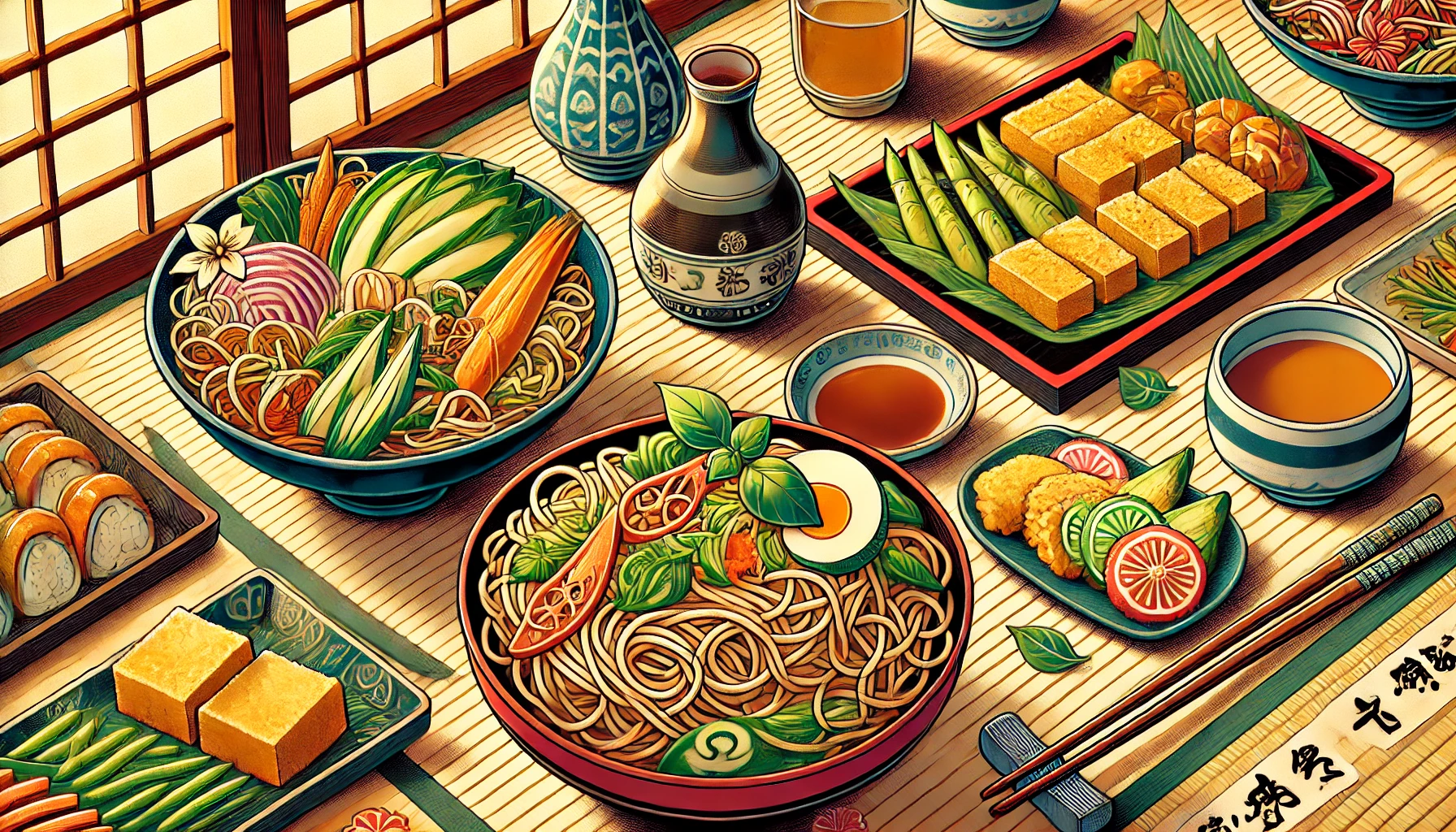
Tokyo is a gastronomic paradise, globally recognized for the excellence of its cuisine. The city has more Michelin stars than anywhere else in the world, surpassing Paris with an impressive 227 stars distributed among its restaurants. From refined establishments like Sukiyabashi Jiro to small izakayas (Japanese bars), there are options for every taste.
If you love sushi, the Toyosu Fish Market is a must-visit. Replacing the famous Tsukiji Market, Toyosu is now the site of the world's most famous tuna auction. Visitors can observe the auction and then enjoy fresh sushi at local restaurants. The streets of Tokyo are also filled with street food vendors offering dishes like takoyaki, ramen, and yakitori.
Another interesting aspect of Tokyo's cuisine is the fusion with international cuisine. The city hosts a wide variety of restaurants offering everything from authentic Italian dishes to Korean and Chinese delights. The dining experience in Tokyo is an adventure that captivates both sophisticated palates and those seeking more accessible and authentic experiences.
Tourism in Tokyo: Must-See Destinations
Tokyo offers a myriad of tourist attractions, from its iconic skyscrapers to areas rich in traditions. Shinjuku is one of the main entertainment, business, and shopping districts, with its famous Shinjuku Station, the busiest in the world. To the west, you find the skyscraper district and the Tokyo Metropolitan Government Building, which offers free panoramic views of the city.
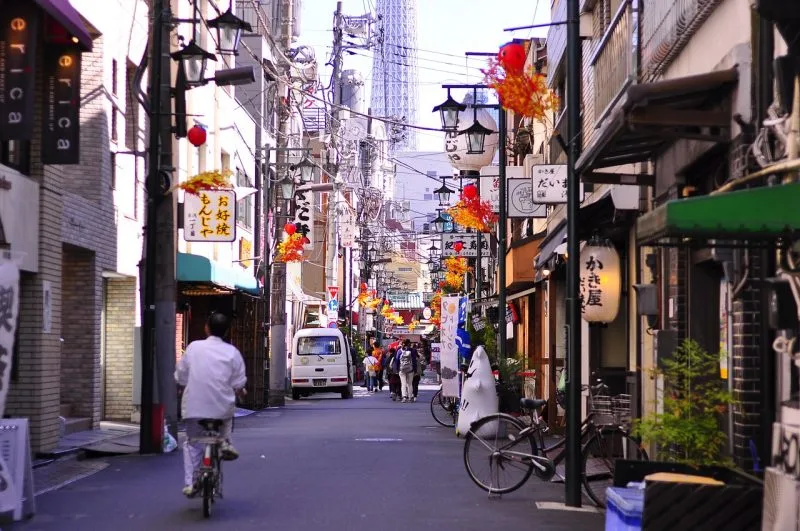
In contrast, Asakusa is the district where Tokyo's history comes to life. Sensoji Temple, the oldest in the city, is a must-visit destination. Nakamise Street, filled with souvenir shops and traditional foods, leads to the temple and provides a dive into traditional culture. Sumida Park, along the Sumida River, is a lovely spot to observe cherry blossoms during spring.
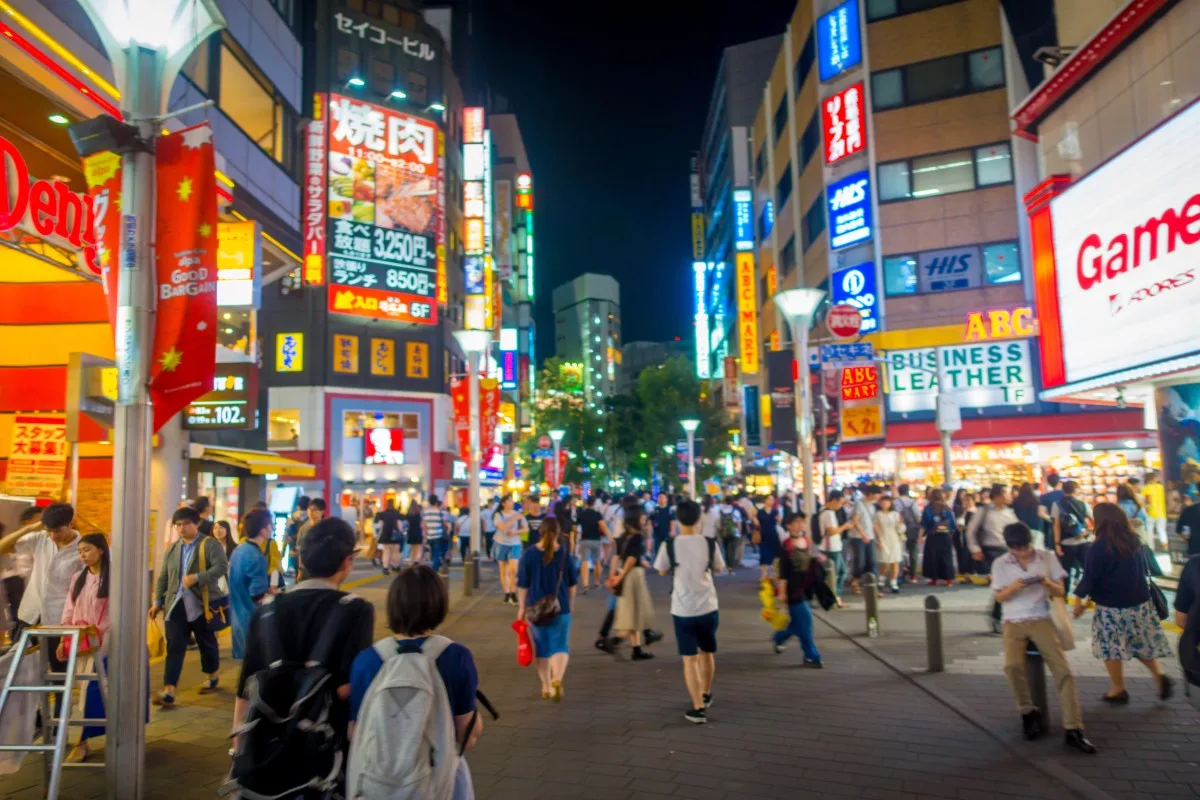
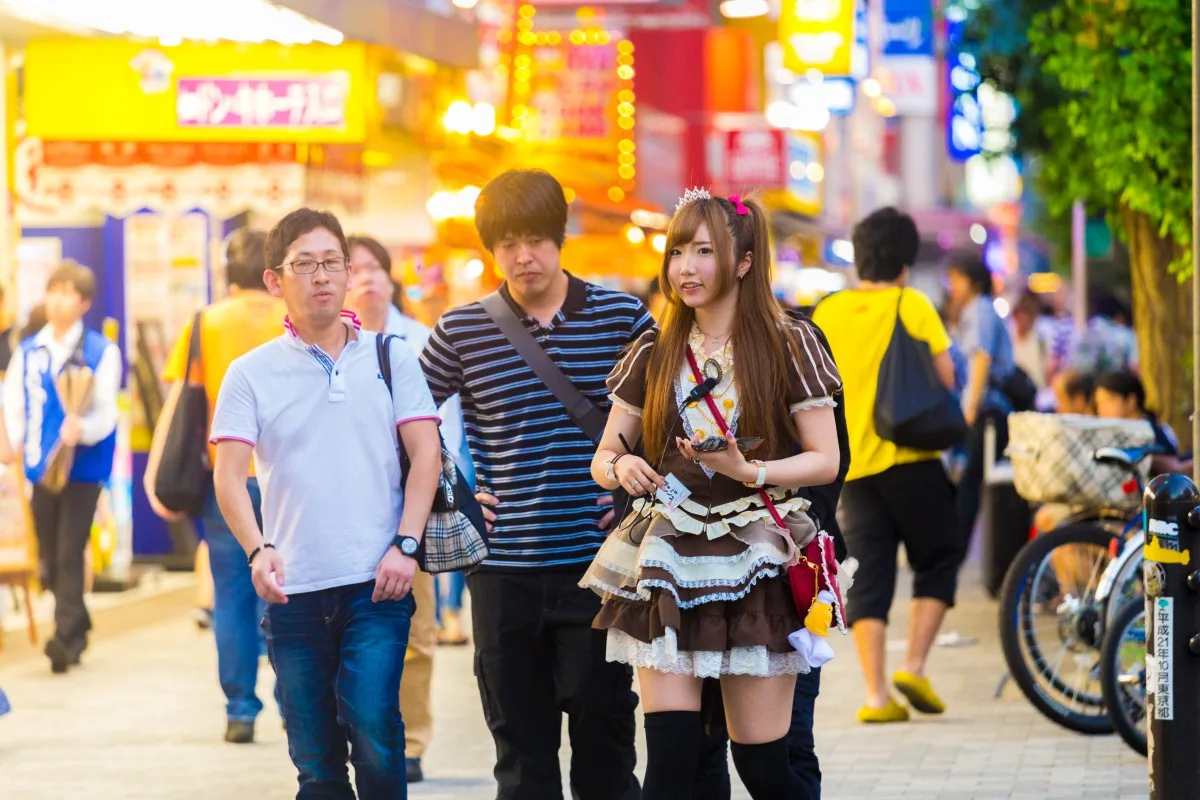
Shibuya, with its famous crossing, is another vibrant tourist spot. The statue of Hachiko, the faithful dog, is an iconic landmark. Additionally, Shibuya is known for being the epicenter of fashion trends and youth culture in Japan, with its streets packed with shops, cafés, and restaurants. For pop culture and technology enthusiasts, Akihabara is the ideal destination, filled with electronics stores, themed cafés, and otaku items.

Pop Culture and Media in Tokyo
Tokyo is a global center of pop culture and a place where imagination comes to life. From animes and mangas to movies and video games, the city exerts a tremendous influence on global media. The Akihabara area, known as "Otaku Mecca," is filled with stores specializing in electronics, games, collectibles, and themed cafés. Many pop culture fans travel from all over the world to explore these streets, where they can find everything from rare action figures to retro arcade games.
The city is also a frequently used backdrop by international directors. Films like Lost in Translation and The Fast and the Furious: Tokyo Drift captured the city's unique charm, its vibrant lights, and the frenetic energy of its streets. For enthusiasts of Japanese cinema, the works of directors like Akira Kurosawa and recent hits by Makoto Shinkai, such as Your Name, showcase Tokyo in ways that fascinate both locals and visitors.
Another fascinating element of Tokyo's pop culture is the intersection between the traditional and the futuristic. The Studio Ghibli Museum in Mitaka offers a magical experience, celebrating the masterpieces of Hayao Miyazaki. On the other side of the city, TeamLab Borderless in Odaiba is an interactive digital museum that seems to have come out of a dream, immersed in lights, colors, and installations that would challenge even the most fertile imagination.
Tourism in Tokyo: Alternative Destinations
While areas like Shibuya and Shinjuku are must-sees, Tokyo also offers many lesser-known spots that provide unique experiences. For example, Shimokitazawa is a neighborhood known for its alternative scene, filled with vintage clothing stores, charming cafés, and small theaters that host live shows and comedy performances.
Kichijoji is another lovely spot that combines modern urban style with a natural touch. Inokashira Park is the highlight, especially during spring when the cherry blossoms are in full bloom. In the park, visitors can paddle boat on the lake or explore the zoo and the nearby Ghibli Museum. It is a perfect place to relax and disconnect from the hustle and bustle of other districts.
Similarly, Yanaka is one of the few neighborhoods in Tokyo that still retains the atmosphere of the Shitamachi era, a traditional area dating back to the Edo Period. Walking through Yanaka is like stepping back in time, with its streets filled with temples, craft shops, and cafés run by local families. It is a less touristy part, ideal for those who wish to explore a quieter and more nostalgic side of the capital.

Technology and Innovation
Tokyo is also a global example of technological innovation. The city is at the forefront of many technological revolutions, such as robotics, artificial intelligence, and high-speed transportation. The famous bullet train, or Shinkansen, connects Tokyo to other major cities in Japan and is a testament to the precision and efficiency of Japanese engineers.
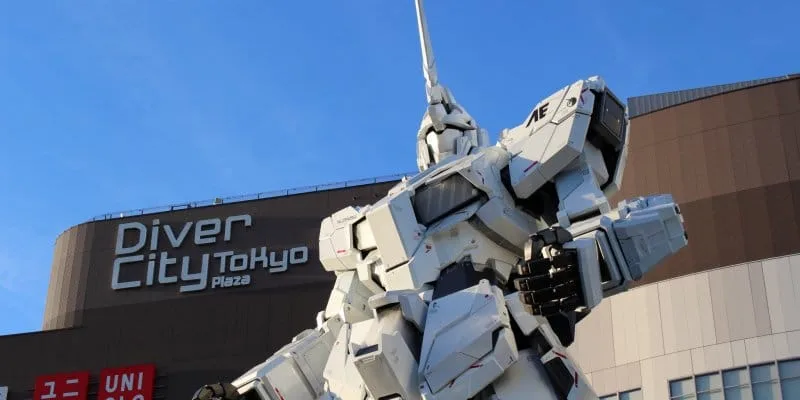
Additionally, Tokyo is home to a large number of startups and tech giants. In areas like Roppongi Hills and Odaiba, innovation centers like Mori Tower showcase some of the world's most advanced inventions. Robotics is a great local passion, and visitors can see the impressive life-sized Gundam robot on the artificial island of Odaiba.
The city is also a playground for gadget and electronics enthusiasts. Stores like Yodobashi Camera and Bic Camera offer a plethora of cutting-edge products, from cameras to emerging augmented reality technologies. Tokyo, therefore, is not just a modern metropolis; it is a glimpse into the future.
Final Considerations
Tokyo is a destination that offers something for everyone. Whether you are a technology lover, a pop culture enthusiast, a history buff, or a traveler seeking top-notch gastronomy, Japan's capital promises unforgettable experiences. From the vibrant lights of Shibuya to the serenity of Yanaka, Tokyo is a city where the past and the future coexist in harmony.
The dynamism of this metropolis is hard to find anywhere else in the world. Tokyo represents the best of culture, innovation, and tradition, making it a must-visit stop for any adventurer. If you have the opportunity, take some time to explore the best city in the world.



Community
Comments
0 comments
There are no published comments in this language yet.
Send comment