
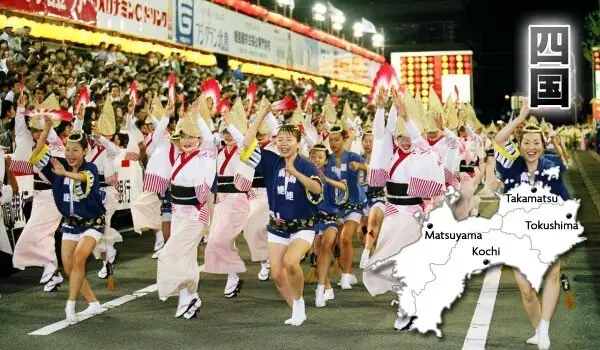
Shikoku (四国) literally means “four countries,” and that is how the island still feels: four prefectures with different tempos, fewer crowds than Tokyo or Kyoto, and a dense mix of temples, castles, hot springs, and coastal roads. Travelers looking for Japan off the main circuit often end up staying longer than planned.
South of Honshu and east of Kyushu, Shikoku is the smallest of Japan’s four main islands—roughly 18,800 km² with a population of a little over four million. Valleys, shorelines, and more than 88 pilgrimage temples thread through historic towns. Here is how the four prefectures break down, with places that actually reward a visit.
Contents 7
Ehime Prefecture
Ehime is known for castles in Ōzu, Matsuyama, and Uwajima. What draws many visitors first is Dōgo Onsen, east of downtown Matsuyama: one of Japan’s oldest and most famous hot-spring areas, with historic bathhouses and many nearby ryokan. For hot-spring etiquette and bath types in general, see our guide to onsen in Japan.
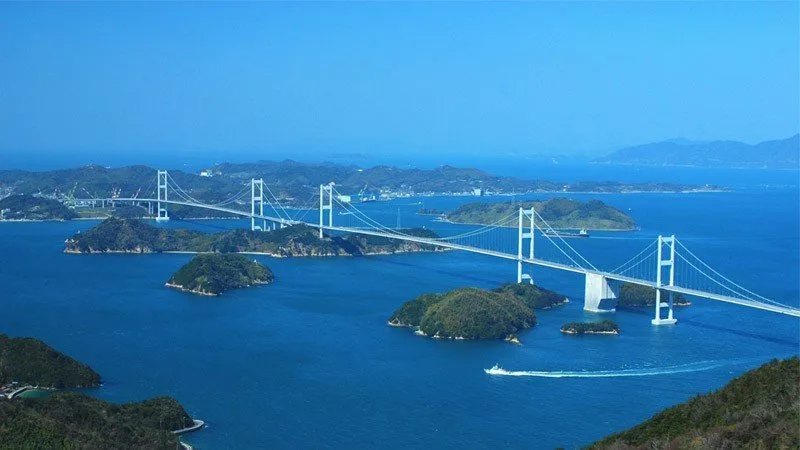
Another standout is the Shimanami Kaidō: more than 60 km of road and bike path that connect Shikoku to Honshu across several islands of the Seto Inland Sea. Pedestrians and cyclists can cross section by section—with sea views instead of only highway scenery.
Kagawa Prefecture
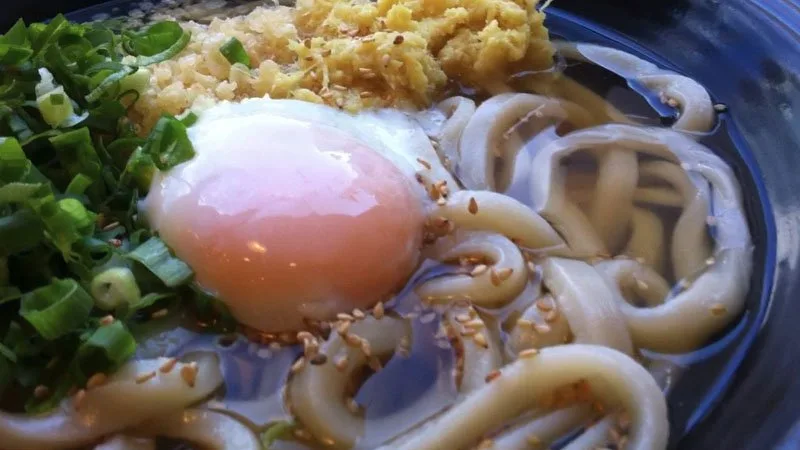
Kagawa [香川県] is Japan’s smallest prefecture by area and famous for thick udon noodles (Sanuki udon). Offshore, art islands such as Naoshima and Teshima host museums and outdoor works—a sharp contrast to the historic temples on the main island.
The capital is Takamatsu, a port city of gardens, museums, and temples. The region was once known as Sanuki Province. In and around Takamatsu, Ritsurin Garden is one of Japan’s major landscape gardens. Mount Yashima was a battlefield between the Heike and Genji clans; its name literally means “roof island,” from a silhouette that looks like a traditional house roof.
Tokushima Prefecture
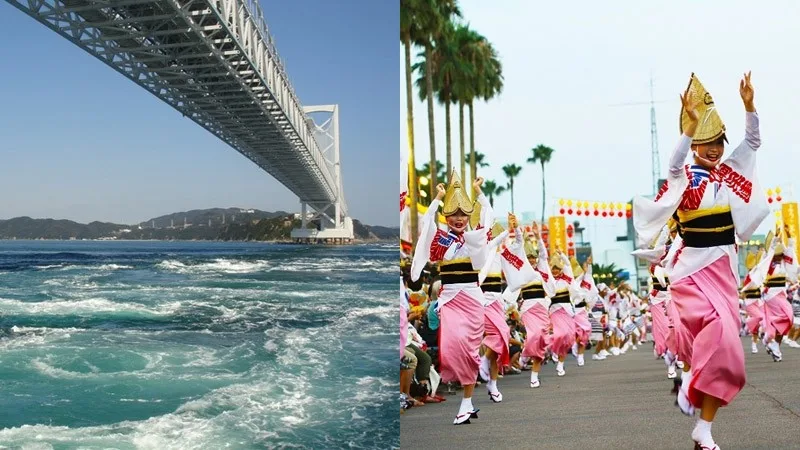
The prefecture and city of Tokushima (徳島) are famous for Awa Odori, a high-energy dance festival during Obon in mid-August, when teams fill the streets with music and synchronized steps.
Naruto and the whirlpools
In the northeast of Shikoku, the city of Naruto is known for powerful tidal whirlpools. You can watch them from viewpoints and from the bridge that links Naruto with Awaji Island.
Iya Valley
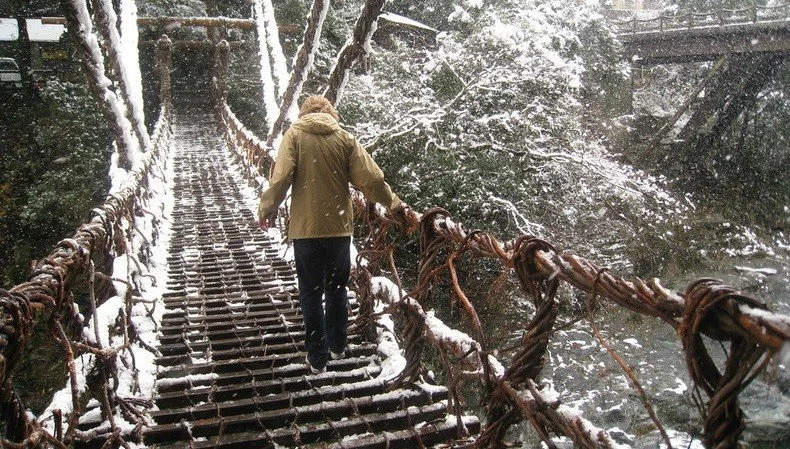
Iya is a mountain valley in central Shikoku, in Tokushima Prefecture. Steep slopes and deep gorges once forced people to bridge the gaps with vines; three vine bridges still stand and remain the valley’s main draws—among them Iya Kazurabashi and Oku-Iya Kazurabashi.
The valley also holds Mount Tsurugi, the second-highest peak on Shikoku, plus hot springs, hiking trails, and other outdoor activities far from the coastal cities.
Kōchi Prefecture
Kōchi sits on Shikoku’s southern coast and shares its name with the prefectural capital. The city feels small and casual, with a castle near the center, temples, gardens, and museums. South of town, Katsurahama Beach offers Pacific views and seaside stops that balance the island’s quieter inland valleys.
Kōchi Castle is one of the few Japanese castles that still keep their original keep—worth a stop if you care about samurai-era architecture beyond reconstructions.
The 88 Temple Pilgrimage
What many travelers first associate with Shikoku is the Shikoku Henro (四国遍路): a roughly 1,200 km circular route linking 88 official Buddhist temples tied to the monk Kūkai (Kōbō Daishi). Walked end to end, the full circuit can take about five to six weeks; many people visit a stretch of temples by car, bus, train, or bicycle instead.
A common start is Temple 1, Ryōzenji, in Tokushima Prefecture, continuing clockwise through Kōchi, Ehime, and Kagawa. There is no single “correct” pace: some pilgrims wear white vest and staff, others dress for practical hiking. The route is less about collecting stamps as a game and more about moving through countryside, temple gates, and local hospitality that still greets walkers as o-henro-san.
Shikoku holds more towns, gardens, rivers, and peaks than any short guide can list. Use the four prefectures as a map of moods—hot springs and cycling bridges in Ehime, noodles and art islands in Kagawa, festival energy and mountain valleys in Tokushima, Pacific air in Kōchi—and leave room for the temples in between.



Community
Comments
0 comments
There are no published comments in this language yet.
Send comment